

The August 12, 2026 solar eclipse is shaping up to be a spectacular day for astronomy enthusiasts, and not just because of the eclipse itself. On that same date, skywatchers will also enjoy the peak of the Perseid meteor shower and a rare planetary alignment. This cosmic trifecta makes August 12 a date to circle on your calendar.
Why the August 12, 2026 Solar Eclipse Is Special
The solar eclipse will occur near sunset, meaning in some locations the Sun will set while still partially eclipsed. To see it, you'll need to find a spot with a clear view to the west, as the Sun will be low on the horizon. This adds a dramatic backdrop to an already awe-inspiring event.
Find Original Home Decor sparking conversation at Grand Goldman Shop.

But the eclipse is just one part of the show. The Perseid meteor shower, known for its bright and plentiful meteors, reaches its peak around the same time. And as a bonus, a planetary alignment will grace the pre-dawn sky.
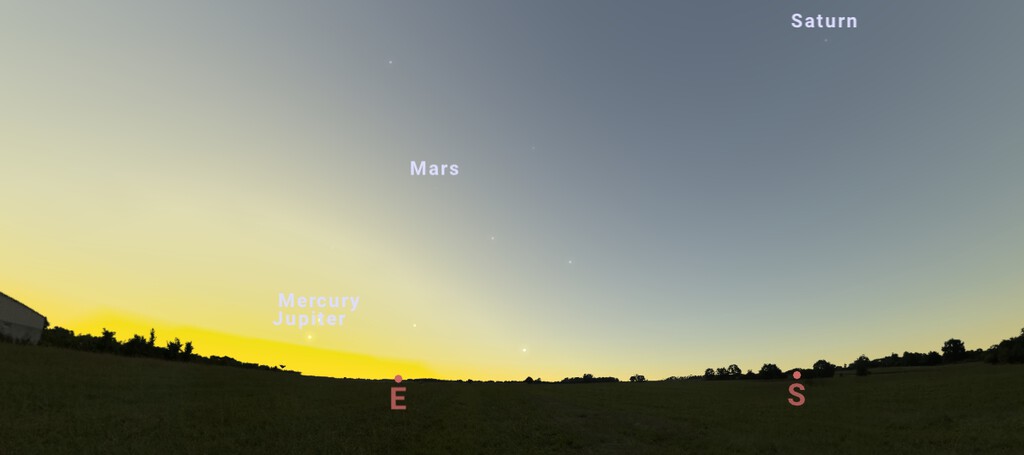
Planetary Alignment: A Dawn Spectacle
On the morning of the eclipse, and partially on the night of August 13, six planets—Mercury, Mars, Jupiter, Saturn, Uranus, and Neptune—will appear aligned in the sky. This alignment is a rare opportunity to see multiple planets in a single view.
Not all planets will be visible to the naked eye. Mars, Saturn, and Mercury should be relatively easy to spot. Jupiter will be bright but low on the horizon, making it challenging due to the Sun's glare. Uranus and Neptune will require at least binoculars or a telescope.
How to Observe the Triple Event
To maximize your chances of witnessing all three phenomena, plan ahead. Here are some key tips:
- Location: Find a spot with unobstructed views to both west (for the eclipse) and east (for the planetary alignment).
- Timing: The eclipse occurs near sunset on August 12; the planetary alignment is best seen before dawn on August 12 and 13.
- Equipment: Bring binoculars or a telescope to spot Uranus and Neptune, and to enhance the planetary views.
- Safety: Never look directly at the Sun during the eclipse without proper solar filters.
- Comfort: Plan for a long night—bring snacks, water, and warm clothing.
What to Expect: Visibility of Each Phenomenon
The table below summarizes the visibility and viewing conditions for each event.
| Event | Time | Direction | Visibility | Equipment Needed |
|---|---|---|---|---|
| Solar Eclipse | Near sunset | West | Partial in most areas | Solar filters |
| Perseid Meteor Shower | Peak on Aug 12-13 | All sky | Naked eye | None |
| Planetary Alignment | Pre-dawn Aug 12 & 13 | East | Mercury, Mars, Saturn naked eye; Jupiter low; Uranus/Neptune via optics | Binoculars/telescope for outer planets |
Why This Alignment Matters
Planetary alignments are not rare, but having six planets in a line is uncommon. This event offers a chance to see the dynamics of our solar system in action. It's also a great opportunity for astrophotography, capturing the planets together in one frame.
For astronomers, such alignments provide a chance to study the relative positions and motions of planets. For casual observers, it's a beautiful sight that connects us to the cosmos. The background to this story is set out in Deep Partial Solar Eclipse in UK Precedes Perseid Meteor Shower. A related thread runs through Orionid Meteor Shower 2025: How to See Halley's Comet Debris. Earlier coverage in Europe Solar Eclipse 2026: Rare Spectacle Draws Millions shows how the argument developed.
Viewing Tips for the Perseids
The Perseid meteor shower is best viewed after midnight, away from city lights. Lie back and look up—no equipment needed. The meteors will appear to radiate from the constellation Perseus, but they can streak across any part of the sky. A closer look at the same subject appears in Solar Eclipse Night: Cloudy Skies Still a Phenomenon. Anyone following the wider picture can start with Solar Eclipse Communal Magic: Cornwall's Skyward Moment. The same theme surfaces in Large Meteor Sightings in New Zealand Delight and Amaze, which takes a different angle.
With the eclipse and planetary alignment also happening, August 12 is a busy night for skywatchers. Pace yourself and enjoy each event as it comes. Context on how this played out before sits in Free Eclipse Glasses in Spain: Where to Get Them Before the Solar Eclipse. A companion piece, Best Solar Telescopes for Safe Solar Eclipse Viewing, approaches the same subject from another angle.
FAQ
What is the best time to see the August 12, 2026 solar eclipse?The eclipse occurs near sunset, so the best time is just before sunset. Check local times for your location, as the exact timing varies.
Can I see the planetary alignment with the naked eye?Mars, Saturn, and Mercury will be visible to the naked eye. Jupiter may be visible but low and bright. Uranus and Neptune require binoculars or a telescope.
How can I safely view the solar eclipse?Never look directly at the Sun without certified solar filters. Use eclipse glasses or a solar telescope. Regular sunglasses are not safe.
Will the Perseid meteor shower be visible during the eclipse?The Perseids peak around the same time, but they are best seen after midnight and away from the eclipse. The eclipse happens at sunset, while the meteors are more active later at night.
Browse the Shop
 Acacia frida deluxe solid wood bed frame |
Bedroom bench |
Bed chest drawers |
Lingerie dresser |
Frame base |
Mirror with jewelry storage |
30 Bathroom Vanity |
Memory foam queen mattress |
Mattresses for back pain |
Nightstand set of 2 |
Grand Goldman Shop |
Civil Lawyer
Deutschland Trikot WM 2026







