

Photographing the August 12 solar eclipse with your smartphone can be tempting, but doing it safely is crucial to avoid damaging your phone's camera. The experience of witnessing a solar eclipse is unique, and with smartphones in every pocket, many will want to capture it. However, experts warn that pointing your phone directly at the sun without protection can ruin your camera sensor.
The total eclipse on August 12 will last only a couple of minutes at best, and historical eclipses have rarely exceeded seven minutes. That brief window makes planning essential. Without proper gear and knowledge, you risk missing the shot and harming your device.
Find Original Home Decor sparking conversation at Grand Goldman Shop.

Why You Should Think Twice Before Photographing the Eclipse
Most experts recommend not photographing the eclipse at all, whether with a smartphone or a professional camera. The sun's intense light can quickly overheat and damage sensitive camera components. Smartphone sensors are particularly vulnerable because they lack the advanced cooling and filtering of dedicated astronomy cameras.
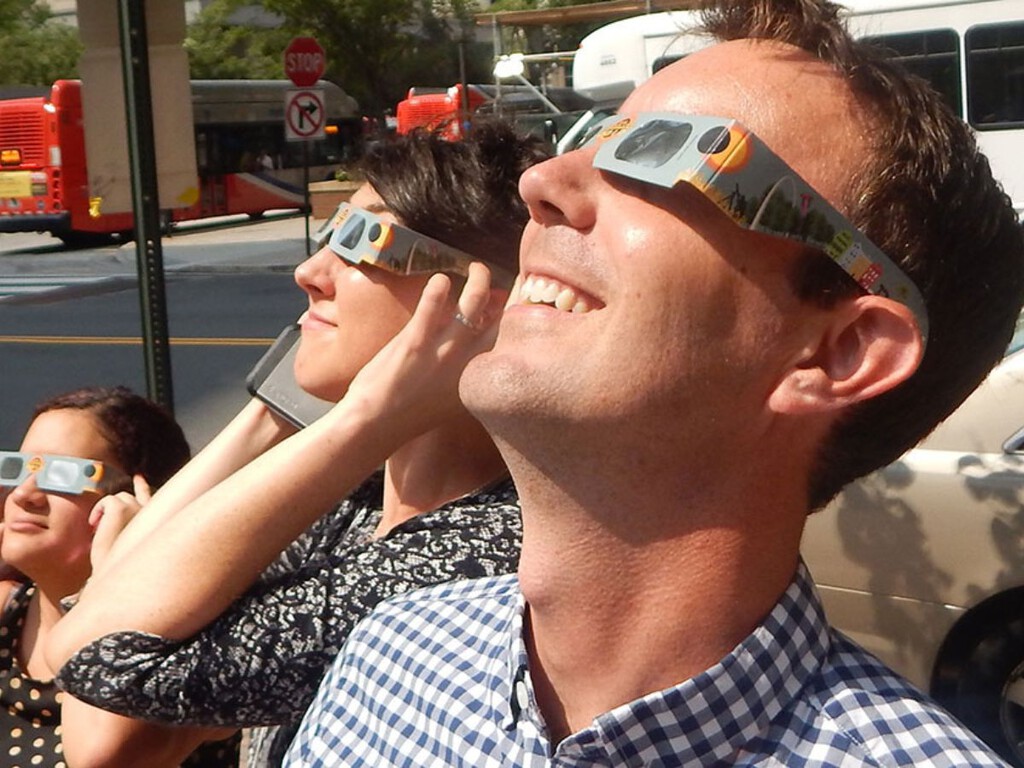
Moreover, the eclipse is a rare event, and your primary goal should be to experience it safely. Viewing the eclipse without certified solar filters can cause serious eye damage. The same principle applies to your phone's lens: unfiltered exposure can lead to permanent damage.
Essential Safety Gear for Smartphone Eclipse Photography
To protect your phone and capture decent images, you'll need a few key items. A certified solar filter is non-negotiable. These filters block harmful ultraviolet and infrared radiation, preventing damage to both your eyes and your camera. Never use homemade filters or sunglasses, as they do not provide adequate protection.
A tripod or stable mount is also important. During the eclipse, light levels drop, and your phone will need longer exposures. A tripod eliminates shake and helps you get sharper images. Additionally, consider a remote shutter release or use a timer to avoid touching the phone during exposure.
- Certified solar filter that fits over your phone's lens.
- Sturdy tripod or smartphone mount for stability.
- Remote shutter or timer to prevent camera shake.
- Eclipse glasses for safe viewing with your eyes.
- Backup power bank to keep your phone charged.
Step-by-Step Guide to Photographing the Eclipse Safely
First, attach the solar filter securely over your phone's lens. Make sure it's properly fitted and undamaged. Then, set your phone to manual mode if available, and use a low ISO to reduce noise. Adjust the shutter speed to control brightness, and avoid pointing the camera at the sun for extended periods.During totality, when the moon completely covers the sun, you can remove the filter briefly to capture the corona. But be ready to replace it as soon as totality ends. Practice beforehand to avoid fumbling in the moment. Use burst mode or take multiple shots to increase your chances of a good image.
Common Mistakes to Avoid
Many people underestimate the sun's power and skip the filter, leading to fried sensors. Others forget to secure their phone, resulting in blurry photos. Avoid zooming in digitally, as it degrades image quality; instead, use optical zoom if your phone has it. Also, don't rely on auto mode, which may overexpose the sun.
Another mistake is not practicing before the event. Test your setup on a sunny day to ensure everything works. Finally, don't forget to protect your eyes: use eclipse glasses whenever you look directly at the sun, even during partial phases.
What to Expect and How to Prepare
The eclipse will unfold over a few hours, with totality lasting only minutes. Plan your location to be in the path of totality if possible. Arrive early to set up your equipment and avoid crowds. Check the weather forecast; clouds can ruin the experience. Have a backup plan, such as a viewing spot with clear skies. The background to this story is set out in Best ND Filters for Smartphone Solar Eclipse Photography. A related thread runs through Solar Eclipse Eye Safety: How to Protect Your Vision on August 12. Earlier coverage in Europe's Total Solar Eclipse 2026: Best Viewing Spots and Safety Tips shows how the argument developed.
Remember that the eclipse is a shared experience. Many communities and astronomy clubs host viewing events with proper equipment. Joining one can provide access to solar telescopes and expert guidance, enhancing your experience without risking your phone. A closer look at the same subject appears in Total Solar Eclipse 2026: Date, Times, Best Viewing Spots and Eye Safety. Anyone following the wider picture can start with August 12 Solar Eclipse: Your Guide to Safe and Clear Viewing. The same theme surfaces in Solar Eclipse Glasses & Phone Filter Kit for Safe Viewing, which takes a different angle.
Alternatives to Smartphone Photography
If you're worried about damaging your phone, consider leaving photography to the experts. NASA and other organizations will stream the eclipse live, offering high-quality images. You can also use a dedicated solar telescope or a camera with a solar filter for better results. Sometimes, simply watching and absorbing the moment is more rewarding than trying to capture it. Context on how this played out before sits in 99% vs 100% Solar Eclipse: The Brutal Difference Explained. A companion piece, Eclipse Glasses Recalled: How to Check If Yours Are Safe, approaches the same subject from another angle.
| Method | Pros | Cons |
|---|---|---|
| Smartphone with solar filter | Convenient, portable | Risk of damage if filter fails |
| Dedicated camera with solar filter | Better image quality | Expensive, bulky |
| Live stream | Safe, high-quality | Not your own photo |
| Viewing event | Expert guidance, shared experience | Crowds, limited equipment |
FAQ
Can I photograph the solar eclipse with my phone without a filter?
No, you should never point your phone directly at the sun without a certified solar filter. Doing so can permanently damage your camera sensor and potentially harm your eyes if you're looking at the screen.
What type of solar filter do I need for my smartphone?
You need a filter specifically designed for solar photography that blocks harmful radiation. Look for filters that are certified for safe solar viewing, such as those meeting the ISO 12312-2 standard.
How long does the eclipse last on August 12?
The total eclipse will last only a couple of minutes at any given location, though the entire event from partial to partial will span a few hours. Plan your shot carefully to make the most of the brief totality.
Is it better to use a dedicated camera instead of a smartphone?
Dedicated cameras with proper solar filters generally produce better image quality and offer more control. However, smartphones can work if you use the right gear and precautions. Consider your priorities and risk tolerance.
Browse the Shop
 Acacia frida deluxe solid wood bed frame |
Bedroom bench |
Bed chest drawers |
Lingerie dresser |
Frame base |
Mirror with jewelry storage |
30 Bathroom Vanity |
Memory foam queen mattress |
Mattresses for back pain |
Nightstand set of 2 |
Grand Goldman Shop |
Civil Lawyer
Deutschland Trikot WM 2026







