

Switzerland's Alps tunnel infrastructure has transformed the country's underground into a critical piece of national and European connectivity. The Alps cover about 60% of Switzerland's territory, and for generations they have shaped how cities, valleys, and regions connect. Building surface roads or railways across steep slopes and mountain passes was costly and inefficient, so Swiss engineers increasingly turned to a bold solution: tunneling through the rock. Over time, this approach became a standard part of how the country builds infrastructure, turning the subsoil into a vital asset.
The challenge extended beyond Switzerland's borders. The country occupies a strategic position in Europe's north-south connections, forming part of a major corridor linking North Sea ports with northern Italy and Genoa. Its Alpine passes became more than a domestic necessity—they had to handle a significant share of continental traffic. The goal was not only to improve national connectivity but also to prevent the mountains from becoming a bottleneck for one of Europe's key axes.
Find Original Home Decor sparking conversation at Grand Goldman Shop.

The Scale of Swiss Tunneling
The numbers illustrate how deeply this logic has taken root. The Swiss Tunnelling Society counts 1,852 tunnels built in the country, with a cumulative length of 2,544 kilometers. These include road, railway, and hydroelectric tunnels, among others. This extensive network underscores Switzerland's expertise in underground construction and its reliance on tunnels for transportation and energy infrastructure.
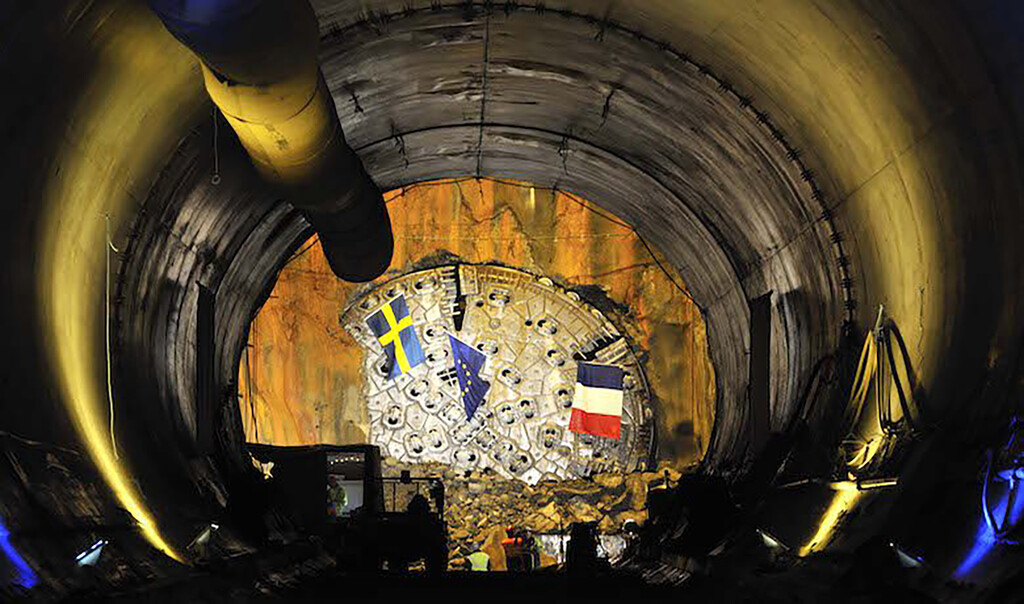
Such scale is not accidental. It reflects a long-term strategy to overcome geographical barriers and maintain efficient connections. Tunnels have become a cornerstone of Swiss engineering, enabling reliable movement of people and goods across challenging terrain.
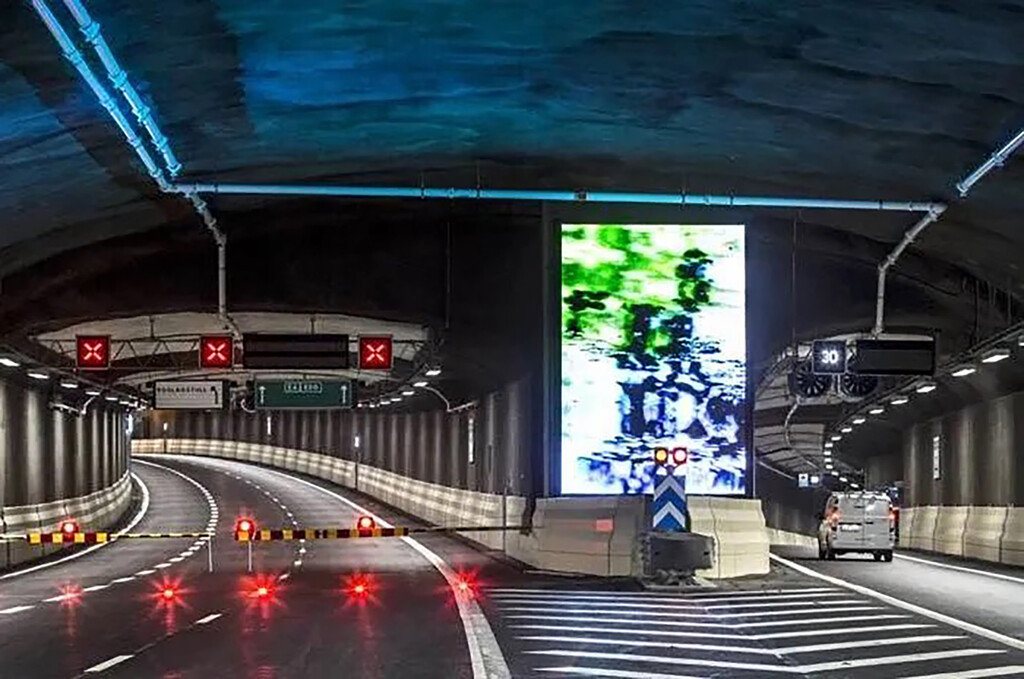
Why Tunnels Are Essential for Switzerland
The Alpine landscape presents formidable obstacles. Surface routes require navigating steep gradients, sharp curves, and high passes, which can be slow and weather-dependent. Tunnels offer a direct and resilient alternative, reducing travel times and improving safety.
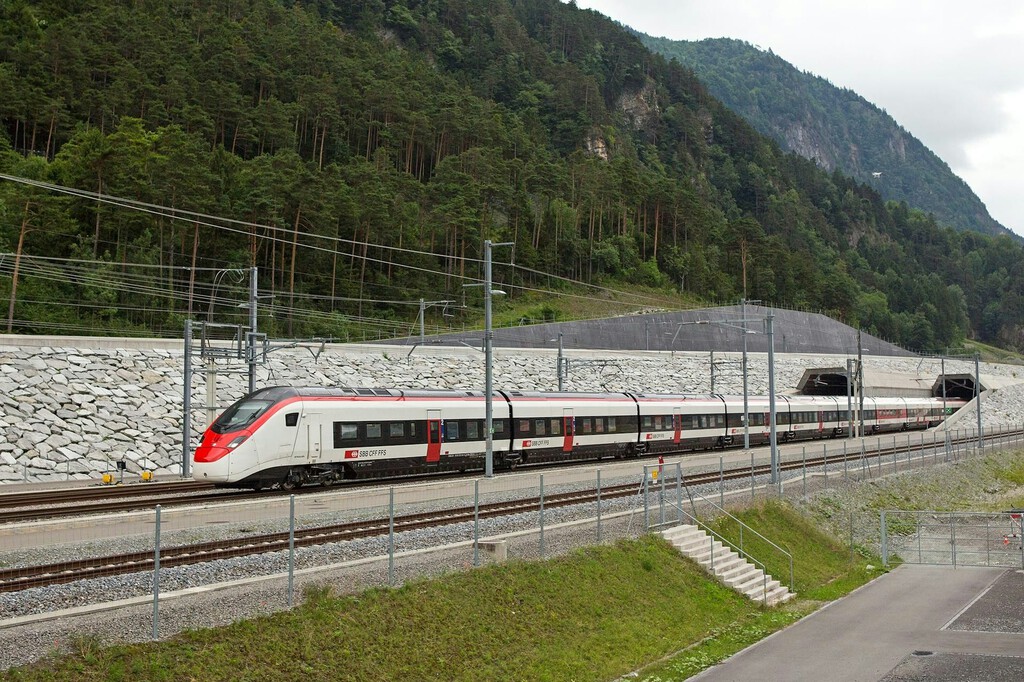
Moreover, tunnels support environmental goals by shifting traffic underground, minimizing impact on fragile mountain ecosystems. They also free up surface land for other uses. For a country that values precision and efficiency, tunneling is a natural fit.
- Geographic necessity: The Alps cover 60% of Switzerland, making surface travel difficult.
- European corridor: Swiss tunnels facilitate north-south traffic across the continent.
- Engineering expertise: Switzerland has a long history of innovative tunneling projects.
- Environmental benefits: Underground routes reduce surface disruption and protect landscapes.
- Economic impact: Efficient transport supports trade and connectivity.
Key Tunnels and Their Impact
Among the many tunnels, some stand out for their scale and significance. The Gotthard Base Tunnel, for instance, is the world's longest railway tunnel, stretching 57 kilometers. It dramatically cuts travel times between Zurich and Milan and has become a model for mega-infrastructure.
Another notable project is the Lötschberg Base Tunnel, which connects the Bernese Oberland with the Valais. These tunnels are not just engineering feats; they are economic lifelines that integrate Switzerland more closely with its neighbors.
| Tunnel | Length (km) | Type | Year Opened |
|---|---|---|---|
| Gotthard Base Tunnel | 57 | Railway | 2016 |
| Lötschberg Base Tunnel | 34.6 | Railway | 2007 |
| Gotthard Road Tunnel | 16.9 | Road | 1980 |
| Furka Base Tunnel | 15.4 | Railway | 1982 |
Engineering Challenges and Innovations
Building tunnels through the Alps is no small feat. Engineers must contend with complex geology, high pressures, and water ingress. The Gotthard Base Tunnel, for example, required drilling through 73 different rock types, some of which were highly unstable.
To overcome these challenges, Swiss engineers developed advanced drilling techniques, robust ventilation systems, and innovative safety measures. The tunnels are equipped with emergency exits, communication systems, and monitoring sensors to ensure safe operation.
Environmental and Economic Considerations
While tunnels offer many benefits, they also raise environmental and economic questions. Construction is energy-intensive and can disrupt local ecosystems. However, modern projects incorporate measures to mitigate these impacts, such as recycling excavated material and protecting groundwater.
Economically, tunnels are expensive to build but yield long-term returns by reducing travel times and boosting trade. They also create jobs and stimulate local economies during construction and operation.
The Future of Swiss Tunneling
Switzerland continues to invest in tunnel infrastructure. Ongoing projects aim to expand capacity and improve resilience. For instance, the second tube of the Gotthard Road Tunnel is under construction to enhance safety and traffic flow. The background to this story is set out in Swiss Alps Luxury Bunkers: Billionaires' Underground Fortresses. A related thread runs through Roman Camp Discovered in Swiss Alps at 2,200 Meters. Earlier coverage in Brenner Base Tunnel: Europe's Longest Railway Tunnel Project shows how the argument developed.
Additionally, there is growing interest in using tunnels for sustainable transport, such as high-speed rail and freight corridors. As Europe seeks to reduce carbon emissions, underground routes may play an even greater role. A closer look at the same subject appears in Swiss Glaciers Shrink 20% in Five Years: Alarming Melt Rates. Anyone following the wider picture can start with Germany's Train Punctuality Crisis: 400 Stranded in Tunnel. The same theme surfaces in Swiss Referendums: A Powerful Check on Far-Right Politics, which takes a different angle.
Switzerland's experience offers valuable lessons for other mountainous regions. By embracing underground solutions, countries can overcome geographical barriers and build more connected, resilient societies. Context on how this played out before sits in Devon Man First to Swim All 10 Largest Swiss Lakes. A companion piece, Swiss Alpine Dam Solar Farm Boosts Winter Power Output, approaches the same subject from another angle.
FAQ
How many tunnels are there in Switzerland?
According to the Swiss Tunnelling Society, Switzerland has 1,852 tunnels with a total length of 2,544 kilometers. These include road, railway, and hydroelectric tunnels.
What is the longest tunnel in Switzerland?
The Gotthard Base Tunnel is the longest, at 57 kilometers. It is also the world's longest railway tunnel and a key link in European rail transport.
Why does Switzerland build so many tunnels?
The Alps cover 60% of the country, making surface travel challenging. Tunnels provide efficient, safe, and environmentally friendly alternatives for crossing mountainous terrain.
How do tunnels benefit Europe?
Swiss tunnels are part of a major north-south corridor connecting North Sea ports with Italy. They facilitate trade and travel, preventing the Alps from becoming a bottleneck for continental traffic.
Browse the Shop
 Acacia frida deluxe solid wood bed frame |
Bedroom bench |
Bed chest drawers |
Lingerie dresser |
Frame base |
Mirror with jewelry storage |
30 Bathroom Vanity |
Memory foam queen mattress |
Mattresses for back pain |
Nightstand set of 2 |
Grand Goldman Shop |
Civil Lawyer
Deutschland Trikot WM 2026







