

5G networks are no longer just about faster mobile connections. Recent developments reveal that 5G networks can detect drones by analyzing signal disturbances, turning everyday cellular infrastructure into a radar-like surveillance system.
The news comes from a collaboration between Lockheed Martin, Verizon, and Nvidia, who demonstrated that commercial 5G networks can identify and track unmanned aerial vehicles (UAVs) using artificial intelligence. This breakthrough could reshape how we think about network security and airspace monitoring.
Find Original Home Decor sparking conversation at Grand Goldman Shop.

How 5G Networks Can Detect Drones
At its core, the technology leverages the same principle as radar: when an object moves through radio waves, it causes subtle disturbances. 5G networks, with their dense deployment and high-frequency signals, are particularly sensitive to such perturbations.
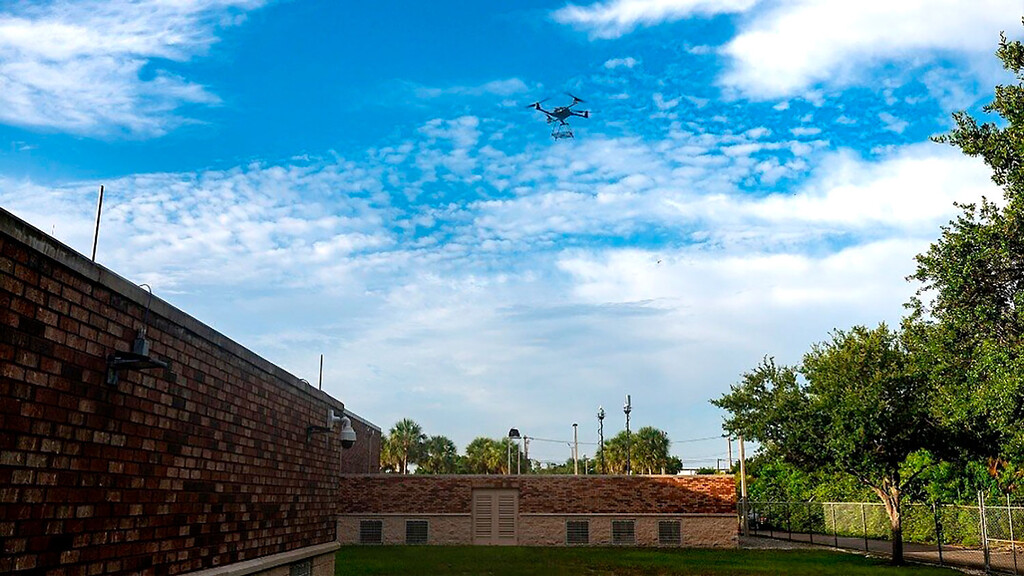
Lockheed Martin's solution, called NetSense, uses existing 5G infrastructure to capture these disturbances. AI algorithms then analyze the patterns to detect, classify, and predict the trajectory of drones in real time.
The Role of AI and Edge Computing
Nvidia's involvement highlights the importance of AI and edge computing. The system processes data locally at the network edge, enabling rapid response without relying on centralized servers. This is crucial for real-time tracking and identification.
Verizon's commercial 5G network provides the testbed, proving that this isn't just a lab experiment but a viable application for existing infrastructure.
Why This Matters for Security and Privacy
The ability to detect drones has significant implications for security. Unauthorized drones can pose threats to airports, critical infrastructure, and public events. Traditional radar systems are expensive and limited in coverage, but 5G networks are already widespread.
However, this capability also raises privacy concerns. If 5G networks can detect drones, could they also detect other objects or even people? The line between security and surveillance is thin, and regulators will need to address these questions.
Key Takeaways
- Existing 5G infrastructure can be repurposed for drone detection without additional hardware.
- AI algorithms analyze signal disturbances to identify and track drones in real time.
- Lockheed Martin's NetSense solution demonstrated the capability with Verizon and Nvidia.
- Security applications include protecting airports, stadiums, and critical facilities.
- Privacy and regulation remain open questions as the technology matures.
Comparison: Traditional Radar vs. 5G-Based Detection
| Feature | Traditional Radar | 5G-Based Detection |
|---|---|---|
| Coverage | Limited to specific areas | Wide, leveraging existing cell towers |
| Cost | High (dedicated equipment) | Lower (uses existing infrastructure) |
| Deployment | Requires installation | Software update on existing networks |
| Accuracy | High, but can be affected by terrain | Improving with AI, depends on network density |
What to Watch Next
As 5G networks continue to evolve, we can expect more advanced sensing capabilities. The integration of AI and edge computing will likely accelerate, enabling new applications beyond communication.
Regulators and privacy advocates will need to keep pace. The same technology that protects us from rogue drones could also be used for other forms of monitoring. Striking the right balance will be key.
For now, the collaboration between Lockheed Martin, Verizon, and Nvidia marks a significant step forward. It shows that 5G is more than just faster downloads—it's a platform for innovation. The background to this story is set out in 5G Networks Can Now Detect Drones Using AI, Lockheed Martin Reveals.
FAQ
How does 5G detect drones?
5G networks detect drones by analyzing disturbances in radio frequency signals caused by flying objects. AI algorithms process these disturbances to identify and track the drone's path.
Is this technology already deployed?
The technology has been demonstrated in tests by Lockheed Martin, Verizon, and Nvidia. Commercial deployment may follow as networks and regulations mature.
What are the privacy implications?
While the primary use case is security, the ability to detect objects via 5G raises privacy concerns. Clear regulations will be needed to prevent misuse.
Can 5G detect other objects besides drones?
Potentially, yes. The same principles could be applied to detect birds, debris, or other flying objects, though current focus is on drones.
As we've seen with other tech advancements, staying informed is crucial. For instance, the Spanish government recently advised citizens to disconnect from mobile devices for five minutes a day, a move that sparked debate. You can read more about that in our article on apagar el móvil cinco minutos al día: el consejo de Moncloa que Sánchez.
Meanwhile, the line between connectivity and surveillance continues to blur. Just as 5G can detect drones, other technologies are pushing boundaries. For those interested in how AI is transforming video, our piece on AI video explores the latest developments.
In the business world, 5G detection capabilities could open new markets. Companies are already exploring business opportunities in network-based sensing. And as with any emerging tech, consumers should stay informed about technology trends that affect privacy and security.
For frequent travelers, airports are among the first places this technology could be deployed. Our guide to the best beach hotel might seem unrelated, but it's a reminder that security measures at travel hubs are evolving. Similarly, the car industry is watching closely, as autonomous vehicles could benefit from enhanced drone detection for safety.
Finally, as 5G networks become more capable, the debate over screen time and connectivity intensifies. The advice to apagar el móvil cinco minutos al día reflects growing awareness of our dependence on mobile devices. Whether for security or personal well-being, understanding these technologies is essential.
Browse the Shop
 Acacia frida deluxe solid wood bed frame |
Bedroom bench |
Bed chest drawers |
Lingerie dresser |
Frame base |
Mirror with jewelry storage |
30 Bathroom Vanity |
Memory foam queen mattress |
Mattresses for back pain |
Nightstand set of 2 |
Grand Goldman Shop |
Civil Lawyer
Deutschland Trikot WM 2026







