

AI-powered fake shopping sites are making Black Friday scams harder to spot, with fraudsters using artificial intelligence to polish their deception and trick even savvy shoppers. As the holiday shopping season kicks off, experts warn that fake storefronts are proliferating, and anyone can fall victim.
The problem is global and growing. According to the Norton Holiday Report 2026, the cybersecurity company blocked 526,000 fake shopping domains in the last quarter of 2025—nearly double the 260,000 fraudulent domains detected in 2024. In Spain alone, INCIBE handled 45,445 online fraud incidents in 2025, a 19% increase from 2024, and helped shut down 4,600 domains, mostly fake stores. These numbers highlight a disturbing trend: scammers are leveraging AI to create convincing websites that mimic legitimate brands, and they're doing it at scale.
Find Original Home Decor sparking conversation at Grand Goldman Shop.

Why AI Makes Fake Shopping Sites More Convincing
In the past, spotting a fake shopping site was relatively easy. Poor grammar, low-resolution images, and clumsy design were dead giveaways. But AI has changed the game. Fraudsters now use AI to generate flawless product descriptions, realistic images, and even fake reviews. They can clone a legitimate brand's logo and layout with alarming accuracy.
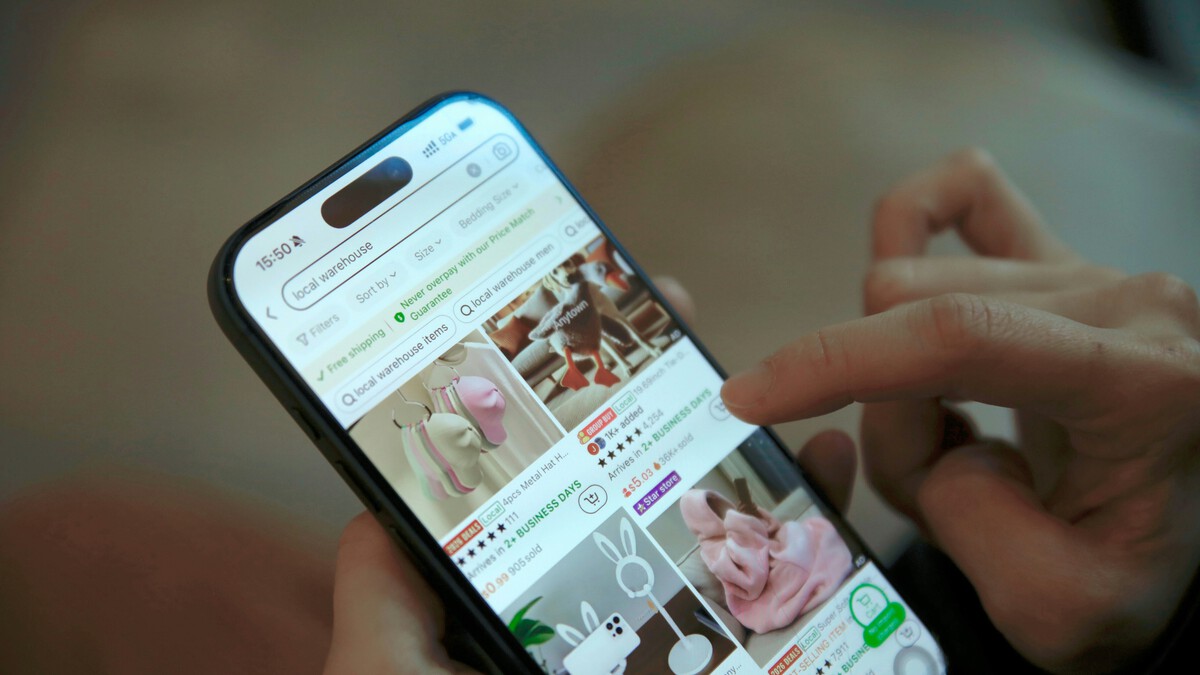
What's more, AI enables scammers to create and manage thousands of these sites simultaneously, using templates and disposable domains. The Norton report found that 64% of the most-blocked fraudulent domains across 14 countries were still active six months after being detected. This persistence means that even if one site is taken down, others quickly pop up.

The GTA 6 Bait: A Case in Point
One of the most insidious tactics involves preying on consumer excitement for highly anticipated products. For example, scammers have been using the hype around the release of GTA 6 to lure unsuspecting gamers. Fake websites promise early access, exclusive deals, or discounted pre-orders, but they never deliver. These sites often look professional and may even feature countdown timers to create urgency.

Such scams are particularly effective because they target passionate fans who are eager to get their hands on the product. The scammers know that emotions can override caution, and AI helps them exploit that vulnerability with polished, convincing content.
How to Spot AI-Powered Scams
While AI makes scams harder to detect, there are still red flags to watch for. The key is to slow down and scrutinize the offer before handing over your payment details.
- Check the URL carefully: Fake sites often use slightly misspelled domain names or unusual extensions. Look for HTTPS, but remember that even scam sites can have SSL certificates.
- Research the brand: If a deal seems too good to be true, it probably is. Cross-check the offer with the official brand's website or social media channels.
- Look for contact information: Legitimate stores provide clear contact details, including a physical address and phone number. Scam sites often only offer an email form.
- Read reviews: Search for reviews of the site or product. AI-generated reviews can be hard to spot, but look for overly generic or repetitive language.
- Use payment methods with protection: Credit cards and services like PayPal offer buyer protection. Avoid wire transfers or cryptocurrency payments, which are harder to trace.
The Rise of Brand Impersonation
Brand impersonation is a cornerstone of these scams. Fraudsters copy the logos, colors, and even the tone of voice of well-known retailers. They then use AI to generate fake product pages and promotional emails that look authentic. During Black Friday and Christmas, when consumers are bombarded with ads, it's easy to let your guard down.
This type of fraud is not limited to any one country. The Norton report notes that fake shopping domains were detected across 14 countries, and the scammers often target multiple regions simultaneously. The global nature of e-commerce means that a fake site can be hosted anywhere and target shoppers worldwide.
What to Watch Next
As AI technology becomes more accessible, the sophistication of these scams will only increase. Experts predict that scammers will use AI to create even more personalized and convincing phishing emails and fake websites. They may also use AI to automate the process of identifying and exploiting vulnerabilities in payment systems.
Consumers need to stay informed and cautious. Authorities and cybersecurity firms are working to take down fraudulent domains, but the sheer volume makes it a game of whack-a-mole. The best defense is awareness and skepticism.
Protecting Yourself During Black Friday
To avoid falling victim to AI-powered scams, adopt a few simple habits. First, stick to reputable retailers and avoid clicking on links from unsolicited emails or social media ads. Instead, type the retailer's URL directly into your browser. Second, use a credit card for online purchases, as it offers stronger fraud protection than debit cards. Third, enable two-factor authentication on your accounts wherever possible. The background to this story is set out in Black Friday Scam Websites: How Fake Stores Target Bargain Hunters. A related thread runs through AI Shopping Scams How ChatGPT Fuels Fake Website Fraud. Earlier coverage in Cookie Theft: How Fraudsters Get Digital Keys to Your Accounts shows how the argument developed.
If you're looking to make the most of Black Friday deals without the risk, consider shopping through trusted platforms. And if you're planning your holiday budget, you might want to understand how to cotizar sin trabajar: cómo funciona el convenio especial con la Seguridad to ensure your finances are in order. A closer look at the same subject appears in Free Grand Piano Scam: How Fraudsters Target Music Lovers. Anyone following the wider picture can start with X Account Scam Alert: How Fraudsters Target Your Login. The same theme surfaces in Australia Test Cricket Schedule 2025: Bangladesh Series Kicks, which takes a different angle.
Remember, scammers are counting on you being rushed and distracted. Take a moment to verify before you buy. Your vigilance is your best protection against these increasingly sophisticated fraudsters. Context on how this played out before sits in Metro Bank AI Fraud Refund Fight: £14,000 Scam Case.
FAQ
How can I tell if a Black Friday deal is from a fake website?
Check the URL for misspellings or unusual domains, research the retailer independently, and look for clear contact information. If the deal seems too good to be true, it likely is. Also, be wary of sites that only accept wire transfers or cryptocurrency.
Why are scammers using AI to create fake shopping sites?
AI allows scammers to quickly generate convincing content, including product descriptions, images, and reviews, at scale. It also helps them mimic legitimate brands more accurately, making it harder for consumers to spot the fraud.
What should I do if I think I've been scammed by a fake shopping site?
Contact your bank or credit card company immediately to report the fraudulent charge and request a chargeback. Also, report the site to the relevant authorities, such as the FTC in the US or INCIBE in Spain, and warn others on social media.
Are fake shopping sites more common during Black Friday?
Yes, scammers ramp up their efforts during major shopping events like Black Friday and Christmas because there is more money in circulation and consumers are actively looking for deals. The volume of fake sites increases significantly during these periods.







