

AI's first truly visible real-world impact is cybersecurity, and it has completely changed in form and scale. On October 21, two critical vulnerabilities in PHP—the language powering a huge share of the world's websites—forced several European public services to disconnect from the internet.
The flaws, tracked as CVE-2026-109618 and CVE-2026-109619, allowed an attacker to execute code on a server without logging in. The PHP community released patches at midday, and cybersecurity agencies issued urgent warnings: act immediately or consider taking systems offline.
Find Original Home Decor sparking conversation at Grand Goldman Shop.

Why These PHP Vulnerabilities Matter
PHP handles memory errors during web service requests in a way that can leave a server in an unsafe state. When a non-malicious actor finds such flaws, the standard response is to patch fast and isolate affected systems.
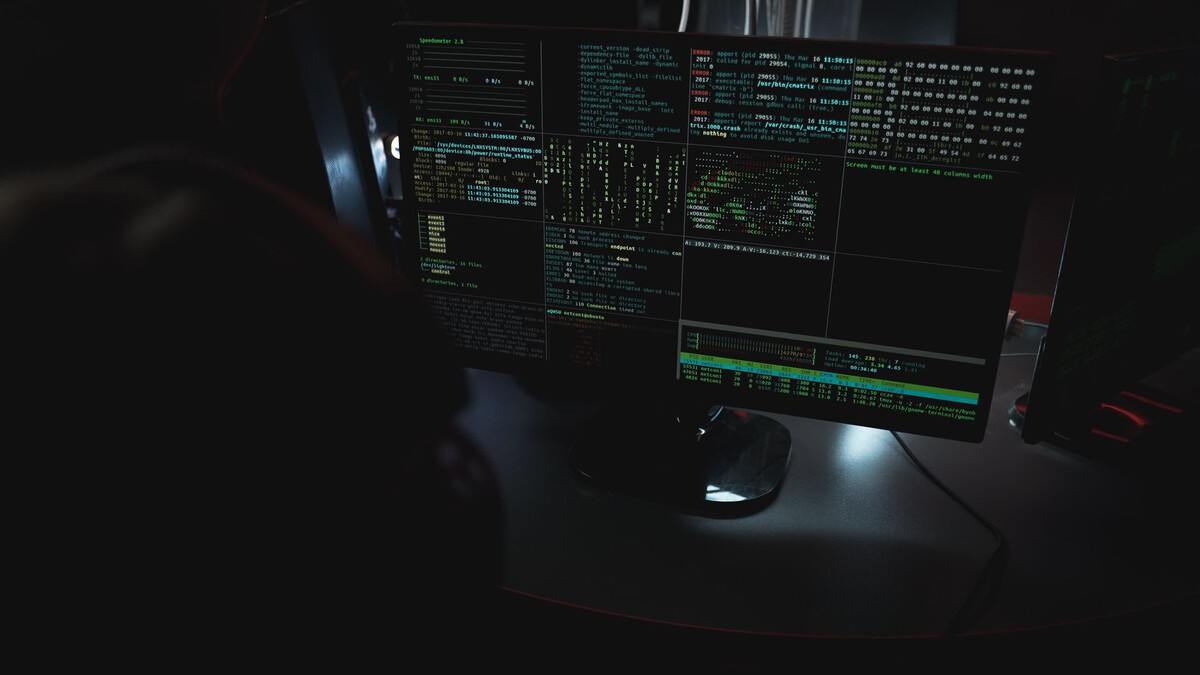
This incident shows how AI in cybersecurity can be a powerful ally for finding critical software errors before attackers do. The speed of discovery and disclosure is reshaping how organizations respond to threats.
How AI Is Reshaping Cybersecurity
AI tools can scan massive codebases and identify patterns that humans might miss. In the case of these PHP vulnerabilities, AI-assisted analysis likely played a role in flagging the memory handling issues quickly. Context on how this played out before sits in AI's First Real-World Impact Is Cybersecurity: How It's Changing. A companion piece, AI Cybersecurity Warning: Anthropic's Jason Clinton on Rising Threats, approaches the same subject from another angle.
This shift means cybersecurity is no longer just about reacting to breaches—it's about predicting and preventing them. AI-driven systems can continuously monitor for anomalies and alert teams in real time. The background to this story is set out in Technology: latest articles. A related thread runs through Google, Apple, Microsoft Agree: The PC Is Back for AI Agents.
Key Takeaways for Security Teams
- Speed is critical: AI can detect vulnerabilities faster than traditional methods, reducing exposure windows.
- Proactive patching: Automated alerts help teams prioritize and deploy fixes before exploits occur.
- Scale of impact: AI analyzes vast amounts of code, uncovering flaws in widely used languages like PHP.
- Collaboration: AI complements human expertise, enabling security agencies to issue timely warnings.
- Real-world consequences: Vulnerabilities can force critical services offline, highlighting the need for robust AI defenses.
Comparing Traditional vs. AI-Enhanced Vulnerability Detection
| Aspect | Traditional Detection | AI-Enhanced Detection |
|---|---|---|
| Speed | Slower, manual review | Fast, automated scanning |
| Coverage | Limited by human capacity | Scales to massive codebases |
| Accuracy | Prone to human error | Pattern recognition reduces false negatives |
| Response Time | Delayed alerts | Real-time notifications |
What This Means for the Future of Cybersecurity
The PHP incident is a wake-up call. As AI continues to evolve, its role in cybersecurity will only grow. Organizations must adapt by integrating AI tools into their security protocols. Earlier coverage in NATO's Cold War Pipeline Network Needs a 1,000 km Move East shows how the argument developed. A closer look at the same subject appears in Minnesota Senate Race Tightens as Democrats Face Unexpected Challenge.
This event also underscores the importance of international cooperation. European agencies acted swiftly, but the interconnected nature of the internet means vulnerabilities anywhere can have global repercussions. Anyone following the wider picture can start with Jimmy Wales Wins Lexus Partners Legend Award 2026 for Founding Wikipedia. The same theme surfaces in Krups Dolce Gusto Neo Review: Smart Coffee at a Discount, which takes a different angle.
FAQ
What are CVE-2026-109618 and CVE-2026-109619?
They are two critical PHP vulnerabilities that allow remote code execution without authentication. They affect how PHP handles memory errors during web requests, potentially leaving servers in an insecure state.
How did AI help in this situation?
AI tools can quickly scan large codebases for anomalies and known vulnerability patterns. In this case, AI likely aided in the rapid identification and disclosure of the flaws, enabling faster patching.
Why did European public services disconnect from the internet?
As a precautionary measure, because the vulnerabilities could allow attackers to execute code on servers. Disconnecting reduces the risk of exploitation until patches are applied.
What should organizations do to protect themselves?
They should apply the latest PHP patches immediately, monitor for unusual activity, and consider integrating AI-driven security tools to detect vulnerabilities faster.
The cybersecurity landscape is evolving rapidly, and AI is at the forefront. Staying informed and proactive is essential to safeguarding digital infrastructure.
Browse the Shop
 Acacia frida deluxe solid wood bed frame |
Bedroom bench |
Bed chest drawers |
Lingerie dresser |
Frame base |
Mirror with jewelry storage |
30 Bathroom Vanity |
Memory foam queen mattress |
Mattresses for back pain |
Nightstand set of 2 |
Grand Goldman Shop |
Civil Lawyer
Deutschland Trikot WM 2026







