

Apple has quietly operated a secret wireless innovation lab in the heart of Madrid since 2023, where around 80 engineers work to ensure that the iPhone, Apple Watch, iPad, Mac, and AirPods simply function as intended. The facility, located in one of Madrid's most emblematic neighborhoods, is housed in an unassuming building that gives little away from the outside.
For the first time, Apple opened the doors of this clandestine center to a journalist—one of the few outsiders ever allowed inside. While strict confidentiality prevents revealing too many details, the visit sheds light on a crucial part of Apple's global testing network that few knew existed.
Find Original Home Decor sparking conversation at Grand Goldman Shop.

Why Apple Chose Madrid for Its Wireless Lab
Madrid's selection as the site for this wireless innovation lab is no accident. The city offers a unique combination of technical talent, strategic location, and a vibrant tech ecosystem. Apple began recruiting engineers for the project in early 2022, as reported by Applesfera, signaling its intention to expand development beyond Cupertino and Munich.
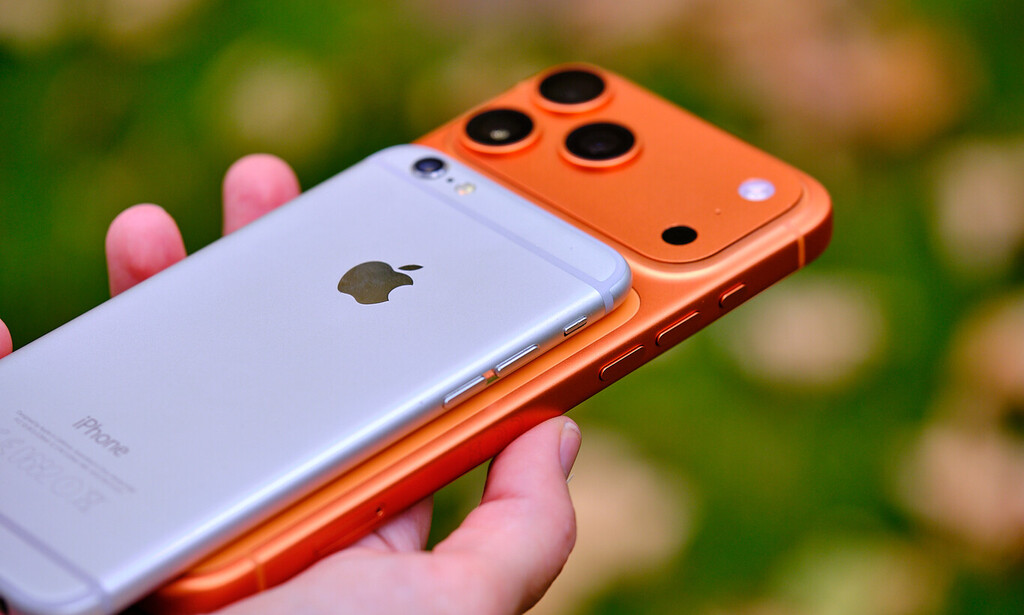
The lab's primary mission is to test and refine wireless performance across all Apple devices. From cellular and Wi-Fi to Bluetooth and ultra-wideband, the engineers here ensure that every product meets Apple's stringent standards for connectivity and reliability.
The Role of the Madrid Lab in Apple's Global Network
This facility is one of only a handful of its kind worldwide. Its existence underscores the importance of European engineering talent in Apple's product development cycle. The lab works in close collaboration with other Apple sites, sharing data and insights to improve wireless performance globally.
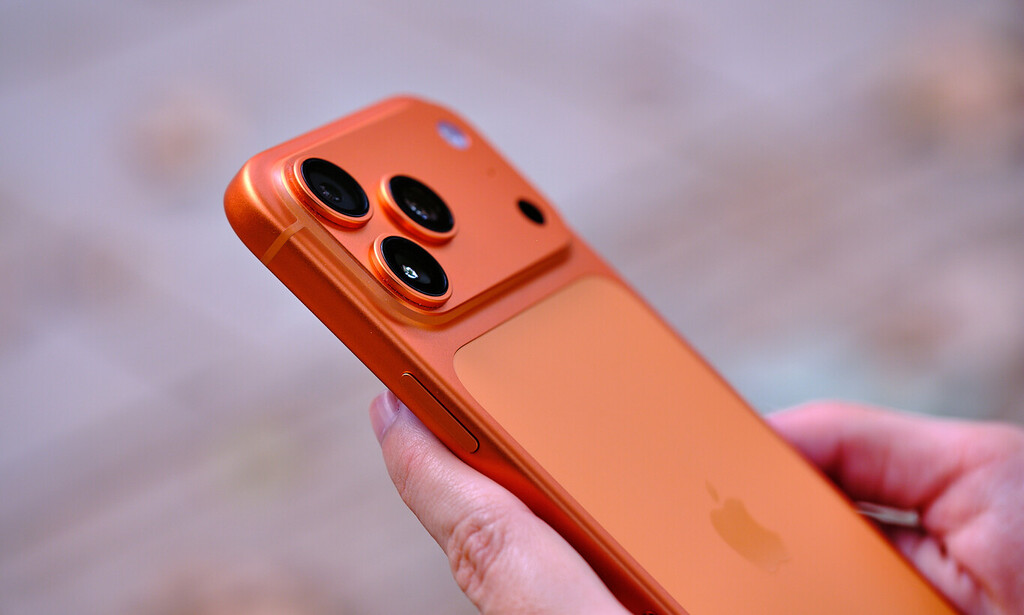
While Apple has long designed its products in California, the Madrid lab adds a new dimension: antennas tuned in Spain. This hidden contribution is a testament to the company's globalized approach to innovation.
Inside the Secret Facility: What We Learned
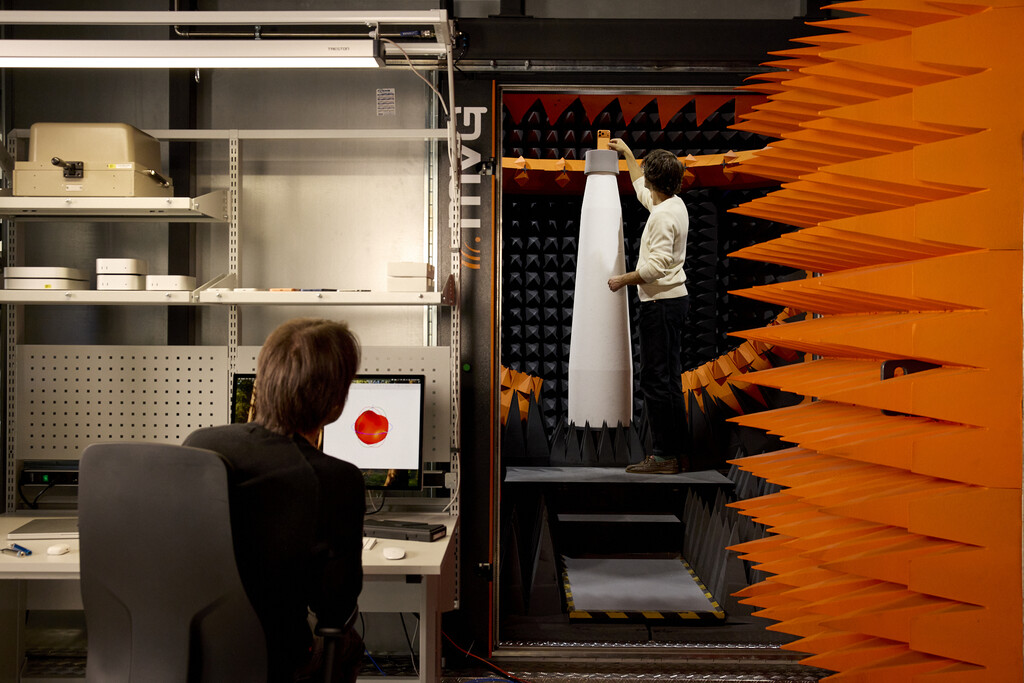
The building's exterior is deliberately nondescript, blending into the surrounding architecture. Inside, however, the space is transformed into a high-tech hub filled with specialized equipment for wireless testing. The lab is designed to simulate a wide range of real-world conditions, from crowded urban environments to remote rural areas.
Engineers here use advanced chambers to measure antenna performance, signal interference, and power efficiency. The goal is to ensure that devices maintain strong connections no matter where users are.
Key Takeaways from the Madrid Lab
- Apple's Madrid lab focuses exclusively on wireless innovation and testing.
- Around 80 engineers work at the facility, which opened in 2023.
- The lab tests iPhone, Apple Watch, iPad, Mac, and AirPods.
- It is one of only a few such centers globally.
- The facility was kept secret until now, reflecting Apple's culture of confidentiality.
How the Lab Ensures Your iPhone Works Flawlessly
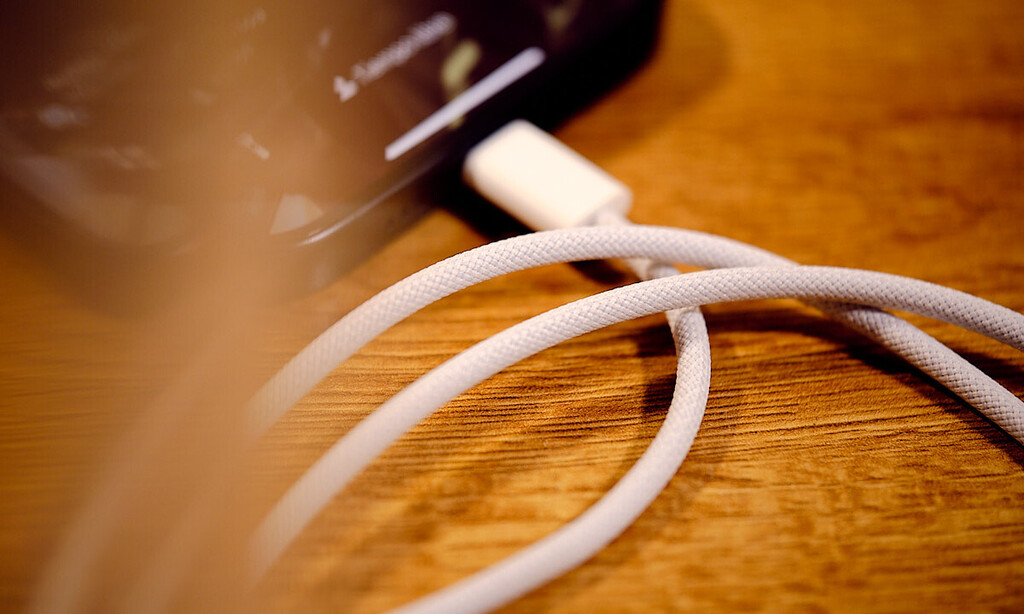
Every iPhone that reaches your hands has likely benefited from testing at the Madrid lab. The engineers there focus on optimizing antenna design and wireless protocols to deliver reliable connectivity. This involves rigorous testing across different frequency bands and network conditions.
For example, the lab might simulate a crowded stadium to see how well an iPhone maintains a signal when thousands of devices are competing for bandwidth. Or it might test an Apple Watch's Bluetooth connection in scenarios where the user is moving rapidly.
Testing Beyond the Lab: Real-World Scenarios
While much of the work happens in controlled environments, the lab also conducts field tests around Madrid. Engineers travel to various locations to gather data on how devices perform in diverse settings, from bustling city centers to mountainous terrain.
This real-world testing is crucial for identifying issues that might not appear in a lab setting. It helps Apple fine-tune its products before they are released to the public.
Comparison of Apple's Wireless Testing Facilities
Apple operates several wireless testing facilities around the world, each with a specific focus. The table below outlines the key locations and their primary roles.
| Location | Primary Focus | Notable Contributions |
|---|---|---|
| Cupertino, USA | Overall design and integration | Central hub for product development |
| Munich, Germany | Chip development | Custom silicon for wireless |
| Madrid, Spain | Wireless innovation and testing | Antenna tuning and real-world testing |
| Others (undisclosed) | Specialized testing | Regional optimization |
As the table shows, Madrid's lab plays a unique role in wireless innovation, complementing Apple's other facilities. Its contributions are likely to grow as Apple continues to expand its product lineup. The longer history behind the story is traced in Apple's Secret Wireless Lab in Madrid: Inside the iPhone Testing Bunker.
What This Means for Apple Users and the Future
The existence of the Madrid lab highlights Apple's commitment to quality and its willingness to invest in global talent. For users, it means that their devices are tested in a variety of environments, leading to better performance and reliability. The background to this story is set out in G-LAB Keyz Elite 300 GRG Review: Wireless Mechanical Keyboard for Gaming. A related thread runs through G-Lab KEYZ Elite 300 & 400 Wireless Mechanical Keyboards Hit Spain. Earlier coverage in Apple Watch Ultra 4 Review: The Best Apple Watch for Training shows how the argument developed.
Looking ahead, the lab is expected to play a key role in the development of future wireless technologies, such as 6G and advanced ultra-wideband applications. Apple's secrecy around the facility suggests that it considers this work strategically important. A closer look at the same subject appears in What are the most dangerous neighborhoods in Madrid?. Anyone following the wider picture can start with Apple is changing the way AirPods are controlled. The same theme surfaces in Apple's Whoop Rival: A Screenless Apple Watch for Health Tracking, which takes a different angle.
While the company remains tight-lipped about specifics, the Madrid lab is a clear signal that Apple is not resting on its laurels when it comes to connectivity. It is actively working to ensure that its devices remain at the forefront of wireless performance. Context on how this played out before sits in La Liga Today: Watch Atlético Madrid vs Real Madrid Live Stream. A companion piece, A rare look at Apple's device durability testing lab!, approaches the same subject from another angle.
FAQ
What is the Apple Wireless Innovation Lab in Madrid?
It is a secret facility where around 80 engineers test and refine wireless performance for Apple devices like iPhone, Apple Watch, and AirPods. The lab opened in 2023 and was recently revealed to the public for the first time.
Why did Apple choose Madrid for this lab?
Madrid offers a strong pool of engineering talent and a strategic location in Europe. Apple began recruiting there in 2022, indicating its intent to expand its wireless testing capabilities beyond the US.
How does the Madrid lab affect my iPhone's performance?
The lab tests antennas and wireless protocols under various conditions to ensure reliable connectivity. This means your iPhone is likely to have better signal reception and fewer dropped connections.
Are there other Apple labs like this one?
Yes, Apple has similar facilities in Cupertino and Munich, each with different focuses. The Madrid lab is unique in its dedicated focus on wireless innovation and real-world testing.
Browse the Shop
 Acacia frida deluxe solid wood bed frame |
Bedroom bench |
Bed chest drawers |
Lingerie dresser |
Frame base |
Mirror with jewelry storage |
30 Bathroom Vanity |
Memory foam queen mattress |
Mattresses for back pain |
Nightstand set of 2 |
Grand Goldman Shop |
Civil Lawyer
Deutschland Trikot WM 2026







