

The Googlebook is Google's new line of premium laptops that could redefine the company's approach to personal computing. Unveiled recently, these devices left many observers wanting more details—especially about the operating system that will power them. While Google revealed its intentions with these "Premium Chromebooks," it stopped short of confirming the OS. All signs point to Android, a system born for mobile but now poised to conquer the desktop.
Android Moves from Pocket to Desktop
For a decade, Google's strategy has been dual: ChromeOS for lightweight, affordable laptops, and Android for everything else. Both operating systems have been converging for some time. In June 2024, Chromium developers explained that "ChromeOS will soon be developed with large portions of the Android stack." This silent merger now appears to have a name.
Find Original Home Decor sparking conversation at Grand Goldman Shop.

The shift matters because it signals Google's ambition to unify its ecosystem. If Android powers the Googlebook, users could see tighter integration with their phones, tablets, and smart devices. But it also raises questions about app compatibility, performance, and whether Android can truly deliver a desktop-class experience.
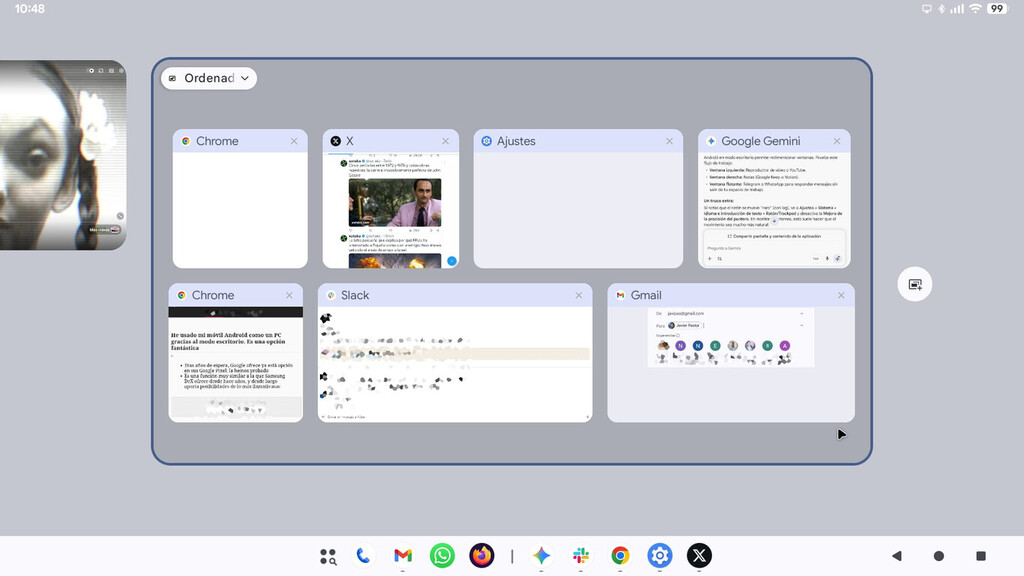
Aluminium OS: The Secret Behind Googlebook?
Curiously, Google never mentioned Aluminium OS during the presentation, but everything suggests the Googlebook could be governed by this evolution of ChromeOS. Google executives have indicated they expect to launch it in 2026, and it's likely timed to accompany these laptops.
Aluminium OS represents a fusion of ChromeOS and Android, aiming to provide a seamless experience across form factors. For users, this could mean access to a vast library of Android apps on a larger screen, with improved multitasking and window management. For developers, it's a chance to build once and deploy everywhere.
Desktop Mode and Beyond
Google has toyed with the idea of a desktop mode for years, but only now has it begun offering it on some devices. This feature allows Android to behave more like a traditional desktop OS, with resizable windows, a taskbar, and keyboard shortcuts. It's a critical step if Google hopes to compete with Windows and macOS.
However, challenges remain. Android's app ecosystem, while vast, is primarily designed for touch. Many productivity apps lack proper desktop versions. Google will need to incentivize developers to optimize for larger screens and keyboard/mouse input. Without a robust app lineup, the Googlebook may struggle to attract professionals and power users. Context on how this played out before sits in Googlebook: Google's Premium Laptops and the Android OS Gamble.
What This Means for the Laptop Market
The entrance of Google into the premium laptop space with Android could disrupt the status quo. Microsoft and Apple have long dominated with Windows and macOS, respectively. A credible third option could force both to innovate faster, potentially lowering prices or improving features. The background to this story is set out in Googlebook Laptops: Android Integration Takes on MacBook Neo. A related thread runs through Lenovo Googlebook 15: OLED Laptop with AI and ChromeOS.
For consumers, more choice is generally good. But the Googlebook's success hinges on execution. If Android on desktop feels like a stretched phone OS, it may fail to gain traction. If Google nails the experience, it could carve out a niche among users deeply invested in Google's ecosystem. Earlier coverage in MediaTek Dimensity CX C10 Max: Snapdragon Rival for Premium Laptops shows how the argument developed. A closer look at the same subject appears in Technology: latest articles.
Key Takeaways for Potential Buyers
- Operating system uncertainty: Google hasn't confirmed the OS, but Android is the most likely candidate.
- Aluminium OS timeline: Expected in 2026, aligning with the Googlebook launch.
- Ecosystem integration: Expect tight coupling with Android phones and Google services.
- App compatibility questions: Desktop-optimized apps are crucial for productivity.
- Market impact: A third premium OS could challenge Windows and macOS dominance.
Googlebook vs. Traditional Laptops: What to Expect
While exact specs are unknown, we can compare the potential Googlebook experience with established platforms. The table below outlines key aspects based on current knowledge and industry trends. Anyone following the wider picture can start with Gemini Intelligence Requirements Exclude Most Google Phones. The same theme surfaces in Google's Pause Point Fights Infinite Scroll on Android 17, which takes a different angle.
| Feature | Googlebook (Rumored) | Windows Laptop | MacBook |
|---|---|---|---|
| Operating System | Android/Aluminium OS | Windows 11 | macOS |
| App Ecosystem | Android apps (mobile-first) | Full desktop apps | Full desktop apps |
| Ecosystem Integration | Deep Google/Android tie-in | Microsoft services | Apple ecosystem |
| Expected Launch | 2026 (rumored) | Available now | Available now |
| Target Audience | Google enthusiasts, mobile-first users | Broad, business and gaming | Creative professionals, Apple users |
FAQ
What is a Googlebook?
A Googlebook is Google's upcoming line of premium laptops, positioned above Chromebooks. They are expected to run a new operating system, possibly Android-based, and target users seeking high performance within Google's ecosystem.
Will Googlebook run Android apps?
It's highly likely. If the Googlebook uses Android or Aluminium OS, it will support Android apps from the Google Play Store. However, app optimization for desktop use remains a question.
When will Googlebook be released?
Google hasn't announced an official release date, but industry speculation points to 2026, coinciding with the expected launch of Aluminium OS.
How will Googlebook compete with Windows and macOS?
Googlebook will likely leverage deep integration with Google services and Android apps, potentially offering a more seamless experience for mobile-first users. Success depends on app quality and performance.
As the launch approaches, more details will emerge. For a deeper dive into Google's premium laptop strategy and its potential pitfalls, check out our Googlebook review: Google's premium laptops are underbaked. That analysis highlights concerns about the device's readiness and market positioning.
Meanwhile, the broader tech industry watches closely. If Google can pull off a successful Android desktop, it could inspire other manufacturers to explore similar hybrids. But if the execution falters, the Googlebook may become a cautionary tale about crossing mobile and desktop boundaries.
For now, the Googlebook remains a tantalizing promise. Whether it becomes a true Windows and macOS alternative or a niche experiment will depend on Google's ability to deliver a polished, capable operating system and a compelling app ecosystem. The stakes are high, and the world is watching.
Browse the Shop
 Acacia frida deluxe solid wood bed frame |
Bedroom bench |
Bed chest drawers |
Lingerie dresser |
Frame base |
Mirror with jewelry storage |
30 Bathroom Vanity |
Memory foam queen mattress |
Mattresses for back pain |
Nightstand set of 2 |
Grand Goldman Shop |
Civil Lawyer
Deutschland Trikot WM 2026







