

Japanese automaker Honda Motor Co. has abruptly canceled development of its upcoming electric SUV and two other electric vehicles planned for the North American market, marking a major shift in strategy amid slowing demand and mounting financial pressures.
The most newsworthy cancellation is the Honda “0 Series” SUV, a mid‑size electric sport utility vehicle that was part of Honda’s ambitious in‑house EV lineup. Official plans to launch the model in the United States and other markets have now been canceled in favor of reassessing electrification priorities.
Find Bleeding Edge Supplements at Scandalous Prices on iHerb.

The decision has far‑reaching implications for Honda’s EV roadmap, its Ohio production hub, and expectations for future electric utility vehicles from the brand.
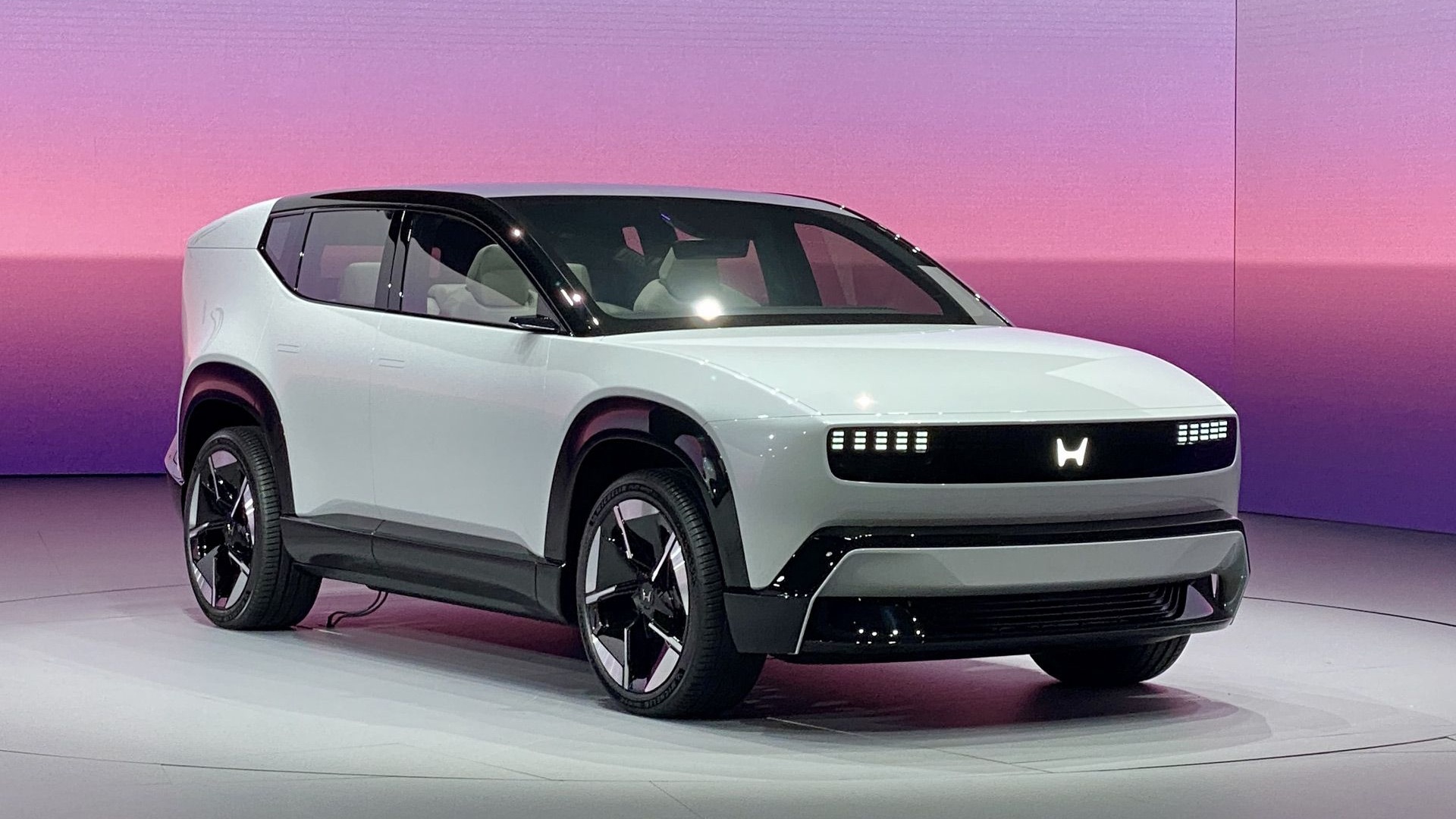
What Was the Honda 0 Series SUV?
The Honda 0 Series SUV was conceived as a pivotal part of Honda’s next‑generation EV strategy. Revealed in prototype form at major auto events, it was built on Honda’s dedicated EV platform with advanced technology features.
Key Specifications and Plans
| Feature | Expectation |
|---|---|
| Platform | Dedicated Honda electric architecture |
| Powertrain | Single or dual motor configurations |
| Range | ~300 miles (estimated) |
| Technology | In‑house ASIMO operating system |
| Production | Planned for North America, Japan, and Europe |
| Status as of March 2026 | Canceled |
Honda showed the EV with futuristic design cues and advanced driver assistance levels, along with a thinner battery pack for improved efficiency. But none of those plans will proceed to mass production after the cancellation.
Why Honda Pulled the Plug
Honda publicly attributed the decision to "current business conditions" and “declining EV demand in the United States.” This lines up with broader market trends showing a slowdown in EV sales growth in 2025 and early 2026 following changes in incentives and tariff environments.
Core Factors Behind the Cancellation
-
Slower EV demand in the U.S. market reducing business viability.
-
Uncertain American tariff and incentive policies affecting price competitiveness.
-
Financial pressures prompting Honda to reassess investments in new EV models.
Honda also highlighted that continuing development under current conditions could drive further long‑term losses, indicating a need to shift toward more profitable vehicle segments like hybrids.

Broader Write‑Off and Financial Impact
The strategic U‑turn carries a steep financial cost. Honda has disclosed plans to take an estimated 2.5 trillion yen write‑off (about $15.7 billion) tied directly to canceled EV programs, including tooling, R&D, and early manufacturing investments.
Executives have even taken steps such as returning portions of their compensation to address the anticipated downturn in profits. The company expects the write‑off may push Honda into an annual loss for the first time in decades.
What Else Was Canceled?
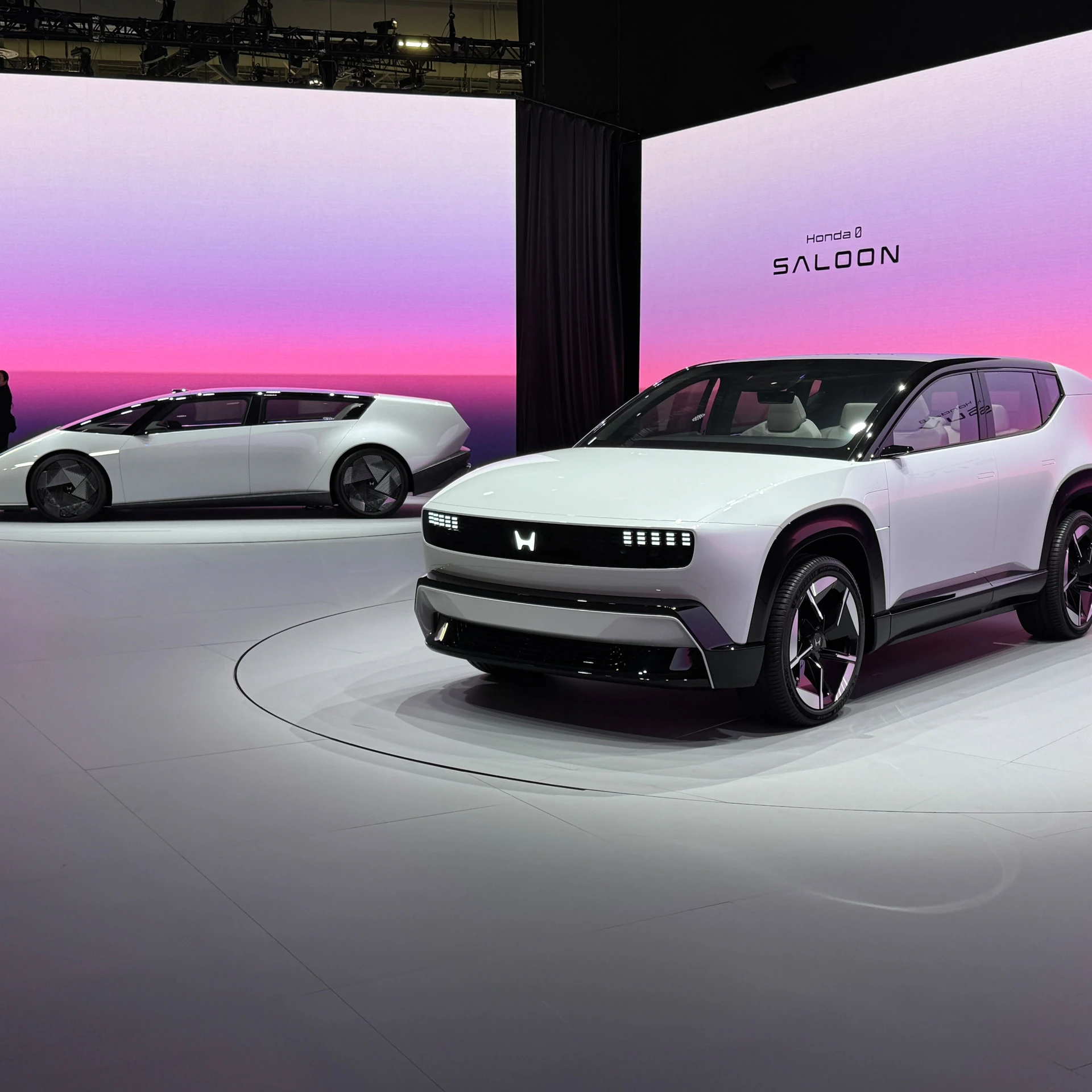
Alongside the SUV, Honda canceled two other electric vehicles that were slated to debut in North America:
-
Honda 0 Series Saloon: A companion electric passenger sedan.
-
Acura RSX EV crossover: A compact electric luxury SUV under the Acura brand name.
The cancellation of the RSX in particular marks a symbolic blow to Acura’s electric ambitions, since the RSX nameplate was set to return as a modern EV version of a classic from the brand’s history.
What Honda Is Keeping
While this cancellation is a major shift for Honda, the company is not abandoning electrification entirely. Honda has indicated it will pivot its product development toward hybrids and selective EV efforts in other regions where market conditions are more favorable.
In India, for example, Honda’s EV projects such as the Honda 0 Alpha electric SUV remain on track for a 2027 launch, signaling that global electrification plans are being reshaped rather than scrapped.
Industry and Market Context
Honda’s retreat aligns with a broader reassessment across legacy automakers as electric vehicle growth slows in key markets. Competition from established EV makers, especially those with strong software and autonomous tech integration, has intensified the pressure on traditional manufacturers to justify massive EV investments.
External factors such as changes to U.S. federal EV tax credits and tariff policies have also dampened demand and increased costs for imported EVs, creating a more uncertain environment for large‑scale EV launches.
What This Means for Consumers
Consumers had anticipated a new wave of Honda EVs as the brand prepared to evolve beyond hybrid models toward fully electric vehicles. The cancellation means:
-
Fewer full‑battery Honda EV choices in North America.
-
Potentially longer wait times for future performance or mainstream EV launches.
-
Increased focus by Honda on hybrid models and other forms of electrified mobility.
Looking Ahead
Honda’s cancellation of its big electric SUV and related EVs is a turning point for the company’s electrification strategy. While it reflects the company’s responsiveness to market realities, it also raises questions about its competitive positioning in the fast‑shifting global EV landscape.
Industry watchers will be tracking how Honda reinvests its EV resources, how global policy environments evolve, and whether consumer demand rebounds to support future electric‑only models.
In the meantime, Honda’s renewed emphasis on hybrid powertrains and selective EV deployment in regions with stronger projected growth suggests a recalibrated approach to an electrified future.
Read next
Equinox EV Lease Deals Just Dropped | Talaria Komodo Electric Bike Everyone Wants | 99 Jetta Lease Is Back – How to Get It Fast | Shipping Container Solar Power Gamechanger | Yozma IN10 Electric Teen Bike Review | EQE AMG vs EQS 450 – Which Luxury EV | Chevy Equinox EV Lease Deals Hit Lows | Kimbal Musk Dumps $25M Tesla Stock | Tesla Fire Sparks Safety Concerns
Cudajet Price Revealed – Worth It? | MAN EV News – Major Electric Truck Updates | Honda Cancels Big Electric SUV | EV Charging News – Biggest Changes | Elon Musk Warns on Solar Energy | Autonomous Bus SPAC Surges | Hyundai & Kia Slash EV Prices | Tesla of Motorcycles – OMOway OMO-X EV | Electric Bike with Sidecar Going Viral | Tiny Electric Boat Trend Takes Over | Greenworks vs EGO – Best Battery Mower
Browse the Shop
 Acacia frida deluxe solid wood bed frame |
Bedroom bench |
Bed chest drawers |
Lingerie dresser |
Frame base |
Mirror with jewelry storage |
30 Bathroom Vanity |
Memory foam queen mattress |
Mattresses for back pain |
Nightstand set of 2 |
Grand Goldman Shop |
Civil Lawyer
Deutschland Trikot WM 2026
Acacia frida deluxe solid wood bed frame |
Bedroom bench |
Bed chest drawers |
Lingerie dresser |
Frame base |
Mirror with jewelry storage |
30 Bathroom Vanity |
Memory foam queen mattress |
Mattresses for back pain |
Nightstand set of 2 |
Grand Goldman Shop |
Civil Lawyer
Deutschland Trikot WM 2026










