

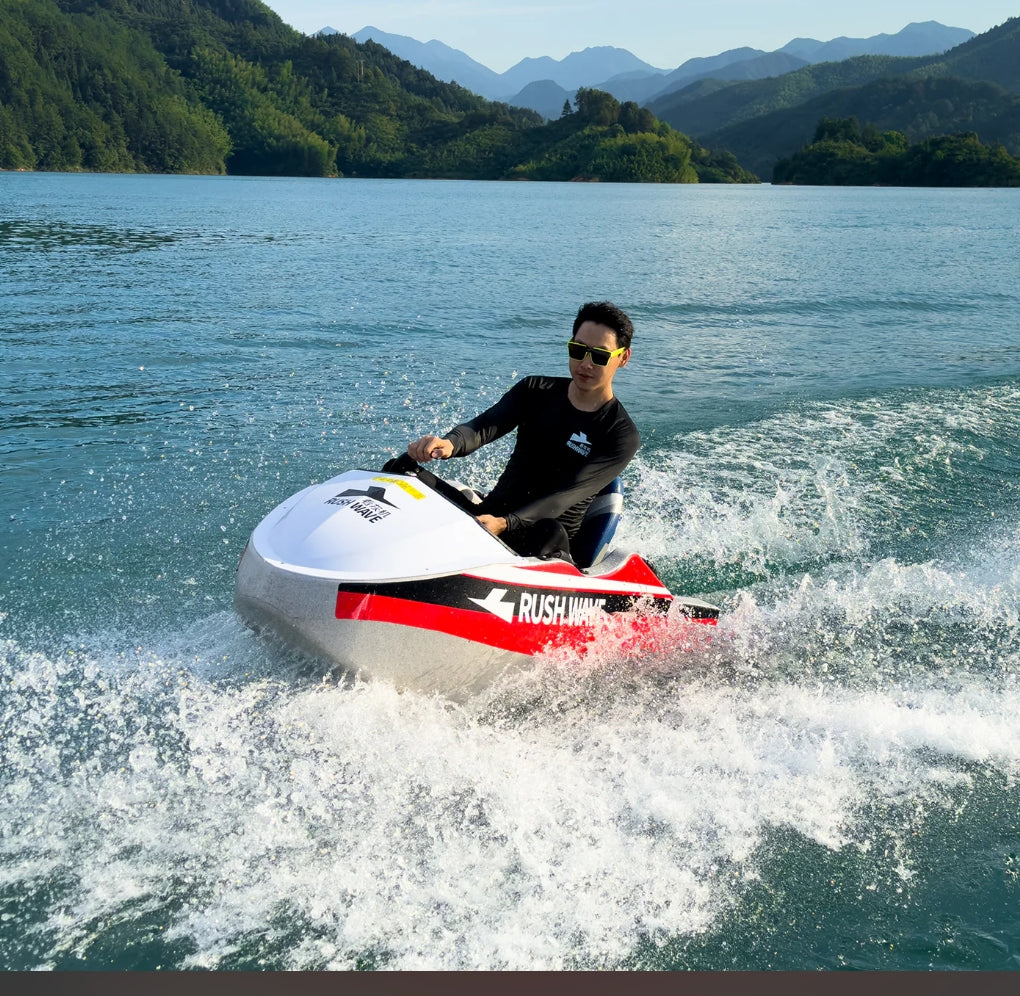
A quiet but powerful shift is happening on lakes around the world. Small electric boats—once niche recreational gadgets—are rapidly becoming the preferred way to explore inland waterways.
From compact electric kayaks to sleek mini leisure boats, this new category is booming thanks to environmental pressure, better battery tech, and changing consumer habits. What started as a curiosity is now a full-blown trend reshaping how people experience lakes.
Find Bleeding Edge Supplements at Scandalous Prices on iHerb.


The Rise of Tiny Electric Boats
Electric boats are not new—but smaller, more accessible models are driving today’s surge. Lightweight, easy to operate, and often far cheaper than traditional motorboats, they are attracting a new generation of users.
Recent market data shows the global electric leisure boat sector was valued at $2.63 billion in 2024 and is expected to more than double by 2034, growing at over 14% annually.
This growth is especially visible on lakes, where smaller electric vessels dominate due to their efficiency and practicality.
What Counts as a “Tiny Electric Boat”?
These aren’t luxury yachts. The trend centers on compact, user-friendly watercraft:
-
Electric kayaks and paddleboards
-
Mini pontoon boats
-
Small leisure boats for 2–6 people
-
Lightweight fishing boats with electric outboards
Many are designed to feel like “e-bikes for the water,” offering simple controls and minimal maintenance.
Why Lakes Are the Perfect Playground
Lakes have become the epicenter of this trend for several reasons.
1. Quiet, No-Wake Performance
Electric boats are nearly silent and produce little to no wake. That makes them ideal for calm waters where noise and waves can disturb wildlife or other users.
This “silent cruising” experience is one of the biggest selling points, especially compared to gas-powered engines.
2. Environmental Regulations Are Tightening
Governments are pushing for cleaner waterways. Some regions are already restricting or banning combustion engines entirely.
-
Cities like Amsterdam are moving toward fully electric boating zones
-
Lakes in France and other parts of Europe enforce strict emission rules
-
“Electric-only” lakes are becoming more common globally
These policies are accelerating adoption, particularly for small recreational boats.
3. Lower Costs and Simpler Ownership
Tiny electric boats remove many of the traditional barriers to boating:
| Feature | Electric Boats | Gas Boats |
|---|---|---|
| Fuel | Electricity (cheap) | Gasoline (expensive) |
| Maintenance | Minimal | High |
| Noise | Very low | Loud |
| Ease of use | Beginner-friendly | Requires experience |
They also eliminate oil changes, complex engines, and many mechanical failures.
Technology Is Driving the Boom
The surge in popularity wouldn’t be possible without rapid improvements in battery and propulsion systems.
Lithium Batteries Change Everything
Modern electric boats increasingly rely on lithium-ion batteries, which offer:
-
Longer range
-
Faster charging
-
Lighter weight
-
Better durability
This has solved one of the biggest historical limitations: range anxiety.
Efficient Electric Motors
Electric outboard motors are now widely available and powerful enough for recreational use. Major manufacturers and startups are entering the market, increasing competition and lowering prices.
Industry experts note that even short demonstrations show minimal battery drain, easing concerns about real-world usability.
Smart Features and Automation
Many new models include:
-
App-based controls
-
GPS navigation
-
Real-time battery monitoring
-
Autonomous docking assistance
These features make boating more accessible to beginners.
Startups and Innovation Fueling the Trend
The electric boat space is attracting startups inspired by the success of electric cars.
One example is Arc, a California-based company building high-performance electric boats aimed at replacing gas-powered wake boats.
Meanwhile, other companies are experimenting with futuristic concepts:
-
Hydrofoil boats that “fly” above water
-
Solar-powered leisure vessels
-
Autonomous water taxis
Some of these innovations are already being tested on lakes, hinting at what’s coming next.

The “E-Bike Effect” on Water
Perhaps the best way to understand this trend is by comparing it to e-bikes.
Electric boats are following a similar trajectory:
| E-Bikes | Electric Boats |
|---|---|
| Replace traditional bikes for convenience | Replace small gas boats |
| Lower barrier to entry | Easier for beginners |
| Urban and recreational use | Lakes and calm waters |
| Rapid adoption globally | Emerging fast |
Just as e-bikes expanded cycling to new audiences, electric boats are bringing more people onto the water.
Challenges Still Holding the Market Back
Despite rapid growth, several challenges remain.
Regulation and Licensing
Rules vary widely by country and even by lake. Some electric boats still require:
-
Registration
-
Permits
-
Safety certifications
Even small electric kayaks can face regulatory hurdles in certain regions.
Charging Infrastructure
Unlike electric cars, charging stations on lakes are still limited.
Most users rely on:
-
Home charging
-
Marina hookups
-
Portable battery swaps
Infrastructure will need to expand to support mass adoption.
Upfront Costs
While operating costs are low, initial prices can still be high compared to basic kayaks or used gas boats.
However, prices are expected to drop as production scales.
What This Means for the Future of Boating
The shift toward tiny electric boats signals a broader transformation in recreational boating.
Key Trends to Watch
-
Expansion of electric-only lakes and zones
-
Growth of rental and sharing services
-
Integration with tourism and eco-experiences
-
Continued innovation in battery tech
The overall leisure boating market is already projected to reach nearly $66 billion by 2034, with electric propulsion playing a major role.
A Quiet Revolution on the Water
The appeal of tiny electric boats is simple: they make boating easier, cleaner, and more enjoyable.
No engine noise. No fumes. No complicated maintenance.
What started as a niche innovation is quickly becoming the default choice for lake recreation. As technology improves and regulations tighten, the trend is only expected to accelerate.
For lakes around the world, the future of boating is not louder or bigger—it’s smaller, smarter, and electric.
Read next
Equinox EV Lease Deals Just Dropped | Talaria Komodo Electric Bike Everyone Wants | 99 Jetta Lease Is Back – How to Get It Fast | Shipping Container Solar Power Gamechanger | Yozma IN10 Electric Teen Bike Review | EQE AMG vs EQS 450 – Which Luxury EV | Chevy Equinox EV Lease Deals Hit Lows | Kimbal Musk Dumps $25M Tesla Stock | Tesla Fire Sparks Safety Concerns
Cudajet Price Revealed – Worth It? | MAN EV News – Major Electric Truck Updates | Honda Cancels Big Electric SUV | EV Charging News – Biggest Changes | Elon Musk Warns on Solar Energy | Autonomous Bus SPAC Surges | Hyundai & Kia Slash EV Prices | Tesla of Motorcycles – OMOway OMO-X EV | Electric Bike with Sidecar Going Viral | Tiny Electric Boat Trend Takes Over | Greenworks vs EGO – Best Battery Mower
Browse the Shop
 Acacia frida deluxe solid wood bed frame |
Bedroom bench |
Bed chest drawers |
Lingerie dresser |
Frame base |
Mirror with jewelry storage |
30 Bathroom Vanity |
Memory foam queen mattress |
Mattresses for back pain |
Nightstand set of 2 |
Grand Goldman Shop |
Civil Lawyer
Deutschland Trikot WM 2026
Acacia frida deluxe solid wood bed frame |
Bedroom bench |
Bed chest drawers |
Lingerie dresser |
Frame base |
Mirror with jewelry storage |
30 Bathroom Vanity |
Memory foam queen mattress |
Mattresses for back pain |
Nightstand set of 2 |
Grand Goldman Shop |
Civil Lawyer
Deutschland Trikot WM 2026










