

HyperOS 4 stable is now rolling out to Xiaomi devices, and the headline feature is a 27.2% increase in free memory compared to the previous version. The update, which began distribution on October 15 after two months of beta testing, is being pushed progressively to compatible models. But the bigger story is that Xiaomi promises this performance boost will reach phones that are nearly four years old, not just the latest flagships.
What HyperOS 4 Brings to the Table
When we buy a new phone, we focus on the screen, camera, or processor. Yet much of our daily experience depends on something less visible: how the system manages resources when we open apps, switch between them, or accumulate hours of use. Xiaomi has been focusing on this area for several generations with HyperOS, and HyperOS 4 continues that trend.
Find Original, High-end Home Decor that spark conversation at Grand Goldman Shop.

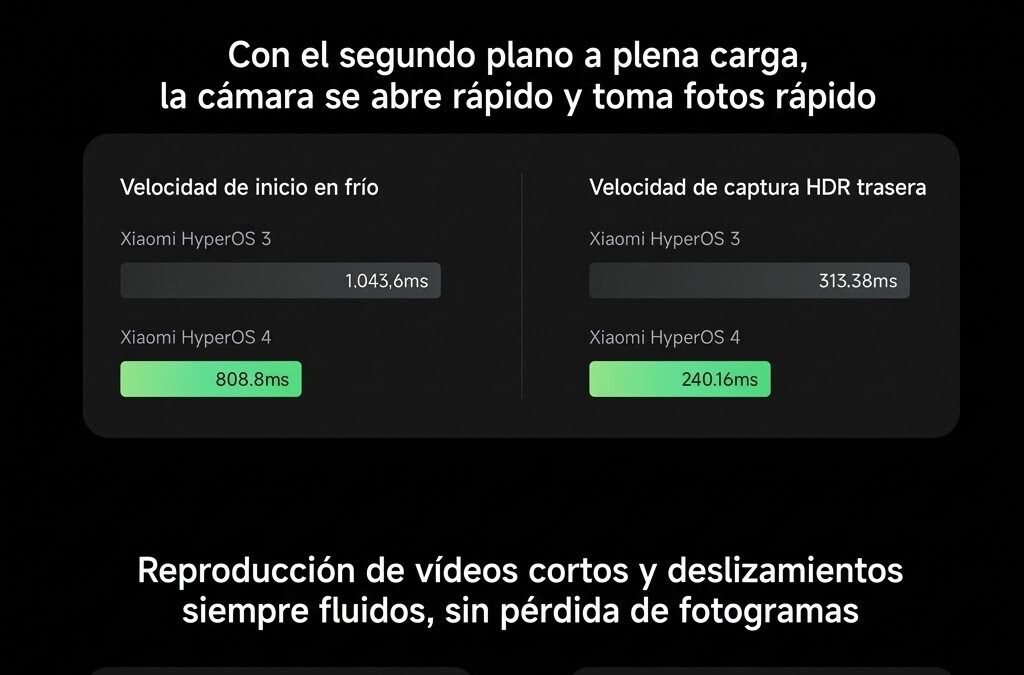
The update introduces significant changes in memory management. Xiaomi explains that the system can anticipate the memory needed for certain actions—for example, when you open the camera, it pre-allocates resources to avoid lag. This proactive approach is designed to keep the phone feeling responsive even after long periods of use.
Which Devices Are Getting HyperOS 4 First?
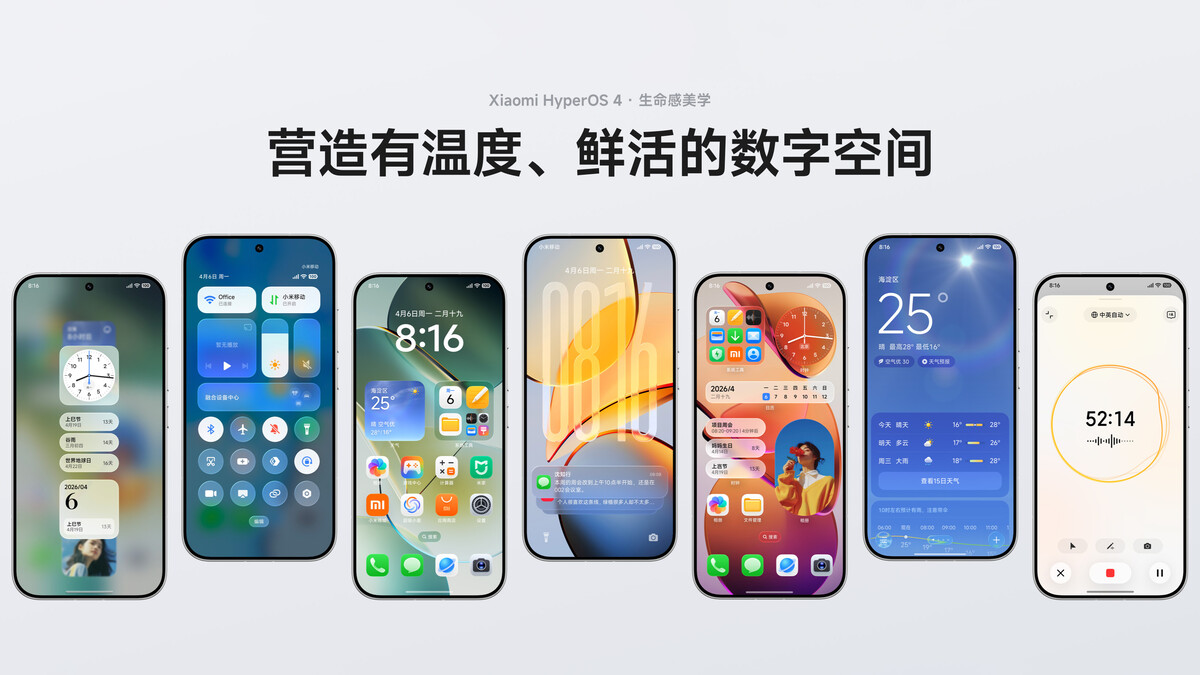
The initial rollout includes Xiaomi's latest flagships: the Xiaomi 17, 17 Pro, 17 Pro Max, and 17 Ultra. Also included are the REDMI K90, K90 Pro Max, K100 Pro, and K100 Pro Max, as well as the Xiaomi Pad 8 and Pad 8 Pro tablets. These devices will receive the stable update first, with other models following in the coming weeks and months.
What's more interesting is that the update calendar also covers older generations. Xiaomi has committed to bringing HyperOS 4 to phones that are almost four years old, which is a significant pledge for long-term software support. This means even if you bought a mid-range or flagship device a few years ago, you may still benefit from the memory improvements.
Why Memory Management Matters More Than Ever
Smartphone hardware has become incredibly powerful, but software efficiency is what separates a good experience from a great one. When memory is poorly managed, apps reload frequently, switching between tasks becomes sluggish, and the phone feels outdated even if the processor is still capable.
Xiaomi's focus on memory optimization is part of a broader industry trend. As users keep their phones longer, manufacturers are under pressure to ensure that aging devices remain usable. HyperOS 4's 27.2% more free memory could translate to fewer app reloads, smoother multitasking, and better performance over time.
Key Takeaways from the HyperOS 4 Announcement
- 27.2% more free memory compared to the previous version, improving multitasking and app retention.
- Stable rollout began on October 15 after two months of beta testing.
- First in line: Xiaomi 17 series, REDMI K90/K100 series, and Xiaomi Pad 8 tablets.
- Update will extend to devices nearly four years old, extending their useful life.
- Proactive memory allocation aims to keep the system responsive during demanding tasks.
How HyperOS 4 Compares to Previous Versions
To understand the significance of the memory improvement, it helps to compare HyperOS 4 with its predecessor. The table below summarizes the key differences based on Xiaomi's claims and the rollout details.
| Feature | HyperOS 3 | HyperOS 4 |
|---|---|---|
| Free memory improvement | Baseline | +27.2% |
| Proactive memory allocation | Limited | Enhanced (e.g., camera pre-allocation) |
| Device support | Up to 3 years old | Up to nearly 4 years old |
| Stable rollout start | — | October 15 |
| Initial devices | — | Xiaomi 17 series, REDMI K90/K100, Pad 8 |
While the table highlights the headline numbers, the real-world impact will depend on how Xiaomi implements these changes across different devices. Early adopters on the beta program have reported smoother performance, but independent testing will be needed to verify the claims.
What This Means for Xiaomi Users
If you own a recent Xiaomi flagship, you can expect the update to arrive soon. For those with older devices, the promise of support for phones nearly four years old is reassuring. It suggests that Xiaomi is taking software longevity seriously, which could influence your next purchase decision. The longer history behind the story is traced in HyperOS 4 Stable Rolls Out With 27.2% More Free Memory.
However, it's important to manage expectations. Not all devices will receive the update at the same time, and the memory improvement may vary depending on hardware specifications. Xiaomi has not yet published a complete list of eligible devices or a detailed timeline for older models. The background to this story is set out in DIY Gasbeton Coffee Table: A Modern, Stable Living Room Project. A related thread runs through Xiaomi vs Samsung mobile phone – Which one should I get up to €300?. Earlier coverage in Technology: latest articles shows how the argument developed.
What to Watch Next
The progressive rollout means that more devices will be added in the coming weeks. Xiaomi is likely to announce additional models and provide a clearer schedule. We'll also be watching for user reports on battery life and performance after the update, as these are common concerns with major software releases. A closer look at the same subject appears in iPhone Duo Continuity: The Real Feature Android Should Copy. Anyone following the wider picture can start with The $120 Smartphone Is Dying: Why Budget Phones Are Disappearing for Good. The same theme surfaces in Meta Smart Glasses Privacy Flaw Records Chats Without Permission, which takes a different angle.
For now, the HyperOS 4 stable release is a promising step toward longer-lasting smartphones. If Xiaomi can deliver on its promises, it could set a new standard for Android updates, especially for budget and mid-range devices. Context on how this played out before sits in DroidDeck Turns Your Android Phone Into a Local Steam Deck for PC Games. A companion piece, GPT-Live-1.1 Upgrades ChatGPT Voice with New Accents and Expressions, approaches the same subject from another angle.
FAQ
When will my Xiaomi phone get HyperOS 4?
The stable rollout began on October 15 for the Xiaomi 17 series, REDMI K90/K100 series, and Xiaomi Pad 8 tablets. Older devices will receive the update progressively, but Xiaomi has not yet announced a complete schedule.
Does HyperOS 4 really improve memory by 27.2%?
Xiaomi claims a 27.2% increase in free memory compared to the previous version. This figure is based on internal testing, and real-world results may vary depending on the device and usage patterns.
Will my nearly four-year-old Xiaomi phone be supported?
Xiaomi has stated that HyperOS 4 will reach devices almost four years old. However, the exact list of eligible models has not been fully detailed, so owners should wait for official announcements.
What is proactive memory allocation in HyperOS 4?
It's a feature where the system anticipates memory needs for certain actions, such as opening the camera, and allocates resources in advance to reduce lag and improve responsiveness.
Browse the Shop
 Acacia frida deluxe solid wood bed frame |
Bedroom bench |
Bed chest drawers |
Lingerie dresser |
Frame base |
Mirror with jewelry storage |
30 Bathroom Vanity |
Memory foam queen mattress |
Mattresses for back pain |
Nightstand set of 2 |
Grand Goldman Shop |
Civil Lawyer
Deutschland Trikot WM 2026
Acacia frida deluxe solid wood bed frame |
Bedroom bench |
Bed chest drawers |
Lingerie dresser |
Frame base |
Mirror with jewelry storage |
30 Bathroom Vanity |
Memory foam queen mattress |
Mattresses for back pain |
Nightstand set of 2 |
Grand Goldman Shop |
Civil Lawyer
Deutschland Trikot WM 2026










