

Argentina has introduced a controversial measure to enforce child support payments: parents who owe child support will be banned from attending football matches, including the 2026 World Cup. The policy, announced by Security Minister Alejandra Monteoliva, aims to pressure delinquent parents by targeting their passion for football.
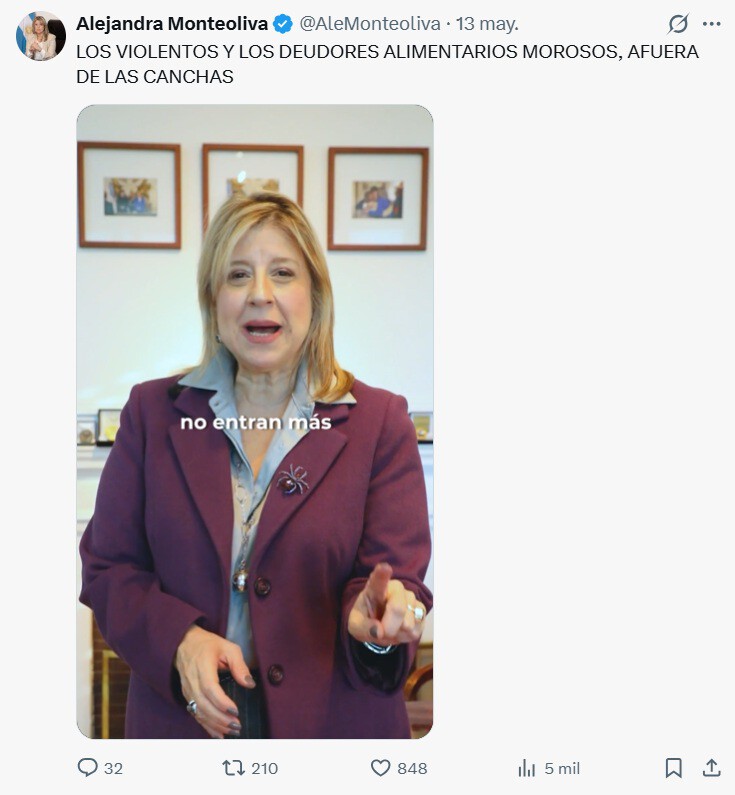
The announcement came via a post on X, where Monteoliva declared, "Deadbeat child support debtors can no longer enter the stadiums." The government has identified 13,000 individuals who are behind on payments and will be added to the Tribuna Segura program, which controls access to sporting events.
Find Original Home Decor sparking conversation at Grand Goldman Shop.

How the Ban Works
The Tribuna Segura program, originally designed to prevent violence at football matches, will now include child support debtors on its list of individuals barred from stadiums. The system cross-references identification with a database of debtors, and those flagged will be denied entry.
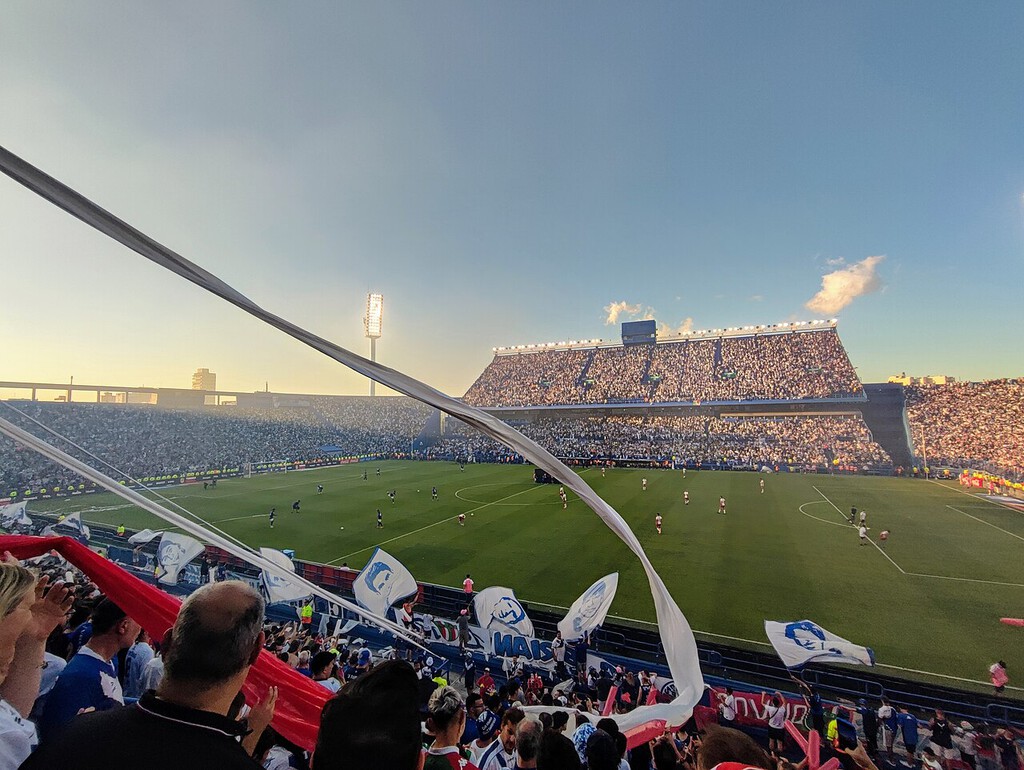
This means that even if a parent buys a ticket, they will not be allowed into the stadium. The measure is part of a broader effort to enforce compliance with child support obligations, which are legally binding in Argentina.
Who Is Affected?
The 13,000 identified debtors are parents who have failed to make court-ordered child support payments. The government has not specified how far behind these individuals are, but the list is expected to be updated regularly as payments are made or new debtors are identified.
It is important to note that the ban applies only to those who are legally obligated to pay and have not done so. Parents who are up to date with their payments have nothing to worry about.
Why Football?
Football is a national passion in Argentina, and the government is betting that the threat of missing a match will motivate parents to pay. The country has a rich football history, producing legends like Diego Maradona and Lionel Messi, and the sport is deeply ingrained in the culture.
By targeting something that many Argentines hold dear, the government hopes to send a strong message: failing to support your children has consequences that extend beyond the courtroom.
The World Cup Factor
The 2026 World Cup, hosted by the United States, Canada, and Mexico, is a major event that many Argentine fans are eagerly anticipating. The ban extends to international matches, meaning that debtors will not be able to attend World Cup games either.
This adds significant weight to the policy, as the World Cup is a once-in-a-lifetime experience for many fans. The government is clearly using this event as leverage to encourage compliance.
Reactions and Implications
The policy has sparked debate in Argentina. Some applaud the government for taking a tough stance on child support enforcement, while others question whether denying access to football matches is an appropriate or effective measure.
Critics argue that the ban may be overly punitive and could lead to unintended consequences, such as increased tensions at stadiums or black market ticket sales. Supporters counter that it is a creative and necessary step to ensure children receive the financial support they are owed.
Legal and Ethical Considerations
From a legal perspective, the measure raises questions about proportionality and the right to participate in cultural activities. However, the Argentine government maintains that it is within its rights to impose such conditions as a means of enforcing court orders.
Ethically, the policy taps into the moral obligation parents have to support their children. By making the consequences public and tied to a beloved activity, the government aims to shame debtors into compliance. The background to this story is set out in FIFA World Cup Final Brawls: Argentina Players Face Bans. A related thread runs through Argentina Players Face FIFA Bans After World Cup Final Brawl. Earlier coverage in Argentina's Albornoz Banned Four Matches for Referee Intimidation shows how the argument developed.
What's Next?
The government plans to expand the program and may add other privileges to the list of restrictions for debtors. The success of this initiative will be measured by the number of parents who catch up on their payments and the overall impact on child support enforcement. A closer look at the same subject appears in Son Tells Stepmom To Use Missing Child Support Payments To Buy Gift For His Dad. Anyone following the wider picture can start with Villeret Quantième Complet GMT: Blancpain has redesigned its Complete GMT Calendar introduced in 2002. The same theme surfaces in Lionel Messi Argentina Career: Football's Sacred Mystery, which takes a different angle.
As the 2026 World Cup approaches, all eyes will be on Argentina to see whether this unconventional approach yields results. If it does, other countries might consider similar measures to enforce child support obligations. Context on how this played out before sits in Argentina World Cup Celebrations: Inside the Fan Frenzy. A companion piece, World Cup Final: Spain's Historic Victory Over Argentina, approaches the same subject from another angle.
FAQ
Can debtors still watch matches on TV?
Yes, the ban only applies to attending matches in person. Debtors can still watch games on television or online.
How will the government identify debtors at stadiums?
Stadium security will check identification against the Tribuna Segura database, which includes the names of child support debtors.
What happens if a debtor tries to enter a stadium?
They will be denied entry and may face further legal consequences for attempting to circumvent the ban.
Does this apply to women as well?
Yes, the ban applies to any parent who owes child support, regardless of gender.
Browse the Shop
 Acacia frida deluxe solid wood bed frame |
Bedroom bench |
Bed chest drawers |
Lingerie dresser |
Frame base |
Mirror with jewelry storage |
30 Bathroom Vanity |
Memory foam queen mattress |
Mattresses for back pain |
Nightstand set of 2 |
Grand Goldman Shop |
Civil Lawyer
Deutschland Trikot WM 2026







