

Habitat 67, Canada's iconic Lego-style housing complex, was built for Expo 67 in Montreal and remains a futuristic marvel. But more than half a century later, its unique modular design poses serious repair challenges that have baffled engineers and architects alike.
The Birth of Habitat 67: A Lego-Inspired Vision
In the early 1960s, architecture student Moshe Safdie had a radical idea: stack prefabricated concrete modules like giant Lego bricks to create affordable, high-density housing. Each unit would have its own terrace, garden, and sense of individuality within a larger urban structure.
Find Original Home Decor sparking conversation at Grand Goldman Shop.

Safdie famously emptied Lego stores in Montreal to build scale models of his concept. His thesis project, titled "A Case for City Living," evolved into Habitat 67, the centerpiece of Canada's pavilion at Expo 67.
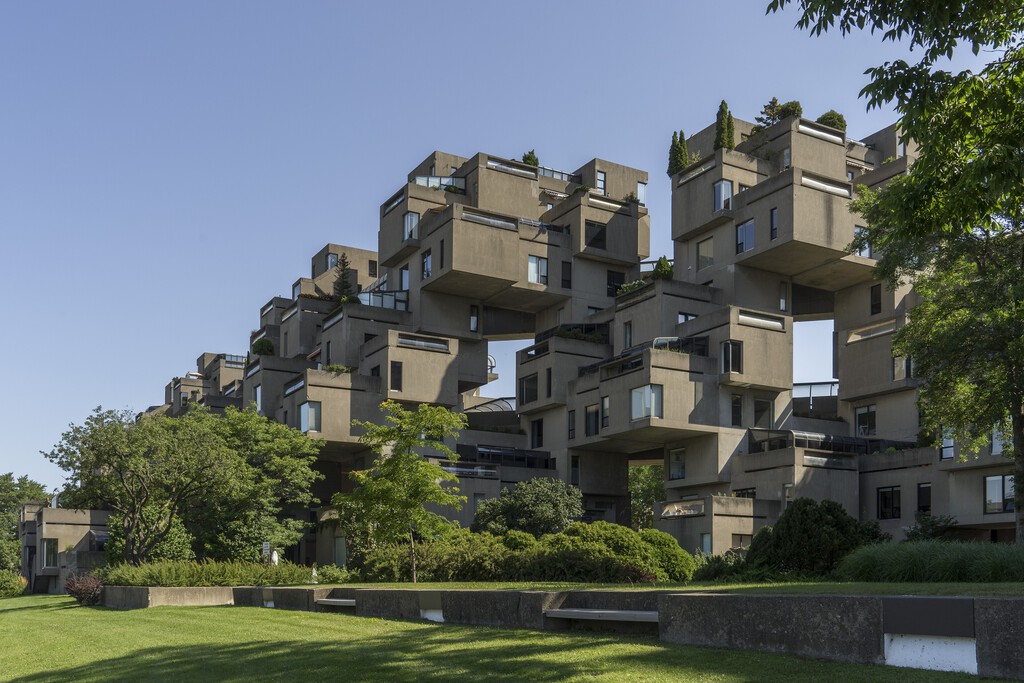
Why Habitat 67 Still Fascinates
Habitat 67 consists of 354 identical concrete modules arranged in a staggered, irregular pattern. The result is a striking, futuristic silhouette that still looks ahead of its time. Each apartment features at least one private terrace and plenty of natural light, a rarity in high-density housing.
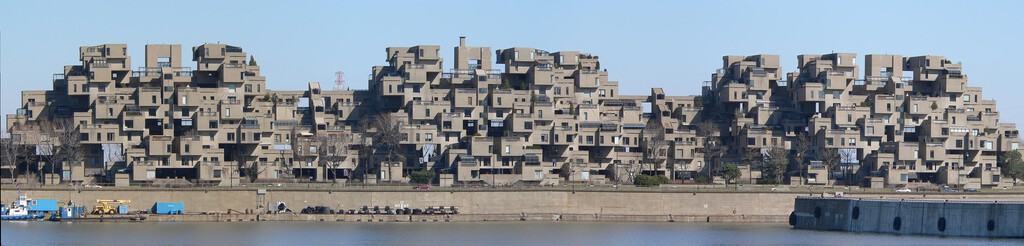
The complex was celebrated as a solution to urban sprawl and impersonal apartment blocks. It offered a third way: the density of a high-rise with the feel of a suburban home.
The Repair Conundrum: A Legacy of Innovation
Despite its architectural acclaim, Habitat 67 has long struggled with maintenance issues. The concrete modules were prefabricated off-site and assembled on location, which makes repairs complicated. Unlike traditional buildings, where walls and floors are continuous, Habitat's modules are discrete boxes stacked together.
Fixing a leak or reinforcing a structural element often requires specialized knowledge and custom solutions. Over the years, residents and engineers have grappled with water infiltration, concrete deterioration, and the challenge of accessing modules without disrupting neighbors. The background to this story is set out in Amazon Prefab Home: 2-Bedroom Modular House Under 9,000 Euros. A related thread runs through How to protect a prefabricated or modular house: complete guide. Earlier coverage in Trending: latest articles shows how the argument developed.
Key Takeaways for Urban Planners and Homeowners
- Modular construction offers design flexibility but can complicate long-term maintenance.
- Prefabrication speeds up construction but demands precise engineering for repairability.
- Iconic architecture often comes with unique preservation challenges.
- Community living requires shared responsibility for upkeep and innovative problem-solving.
- Lessons from Habitat 67 can inform future modular housing projects.
Habitat 67 by the Numbers
| Feature | Detail |
|---|---|
| Architect | Moshe Safdie |
| Built for | Expo 67, Montreal |
| Number of modules | 354 |
| Number of residences | 158 |
| Construction method | Prefabricated concrete modules stacked like Lego |
| Current status | Iconic housing complex, still occupied |
What the Future Holds for Habitat 67
Habitat 67 remains a testament to bold architectural thinking. Its repair challenges highlight the importance of designing for longevity and adaptability. As cities seek sustainable housing solutions, the lessons from this Lego-inspired experiment are more relevant than ever. A closer look at the same subject appears in Amazon Prefab House: Expandable Two-Story Home Under $12K. Anyone following the wider picture can start with Amazon Prefab Home: 4-Bedroom House for €8,200. The same theme surfaces in Prefab House on Amazon: Buy a Home for $21,000, which takes a different angle.
While no major redevelopment is currently planned, the complex continues to inspire architects and developers. Its residents remain proud of their unique homes, even as they navigate the complexities of maintaining a piece of history. Context on how this played out before sits in Alba Carrillo: From TV Gossip to Left-Wing Pop Icon. A companion piece, Habitat 67: Canada's Lego-Style Housing Still Can't Be Repaired, approaches the same subject from another angle.
FAQ
What is Habitat 67?
Habitat 67 is a pioneering modular housing complex in Montreal, Canada, designed by Moshe Safdie for Expo 67. It consists of 354 stacked concrete modules and is considered an architectural icon.
Why is Habitat 67 difficult to repair?
Its modular design means each unit is a separate concrete box, making access and repairs more complex than in conventional buildings. Specialized solutions are often required for structural and maintenance issues.
Can I visit Habitat 67?
Habitat 67 is a private residence, but it can be viewed from the outside. Guided tours are occasionally available through architectural organizations.
What was the inspiration behind Habitat 67?
Moshe Safdie was inspired by Lego bricks, using them to model how modular units could be stacked to create affordable, high-density housing with private outdoor spaces.
Browse the Shop
 Acacia frida deluxe solid wood bed frame |
Bedroom bench |
Bed chest drawers |
Lingerie dresser |
Frame base |
Mirror with jewelry storage |
30 Bathroom Vanity |
Memory foam queen mattress |
Mattresses for back pain |
Nightstand set of 2 |
Grand Goldman Shop |
Civil Lawyer
Deutschland Trikot WM 2026







