

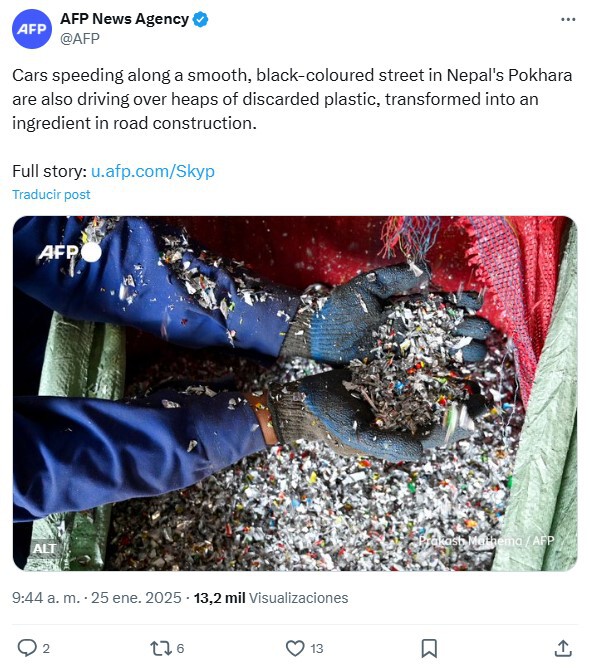
Nepal has started filling its streets with tons of plastic waste as part of a push toward sustainability. The initiative aims to tackle the country's mounting plastic pollution while improving road infrastructure.
The concept involves mixing shredded plastic waste with asphalt to create stronger, more durable roads. This not only helps reduce the amount of plastic ending up in landfills and waterways but also enhances the performance of the pavement.
Find Original Home Decor sparking conversation at Grand Goldman Shop.

Why Plastic Roads?
Every year, the world produces over 400 million tons of plastic, much of which is single-use packaging that is difficult to recycle. At the same time, countries build and repave thousands of kilometers of roads annually. By combining these two problems, Nepal hopes to find a sustainable solution.
Plastic roads are not entirely new. Similar projects have been piloted in other parts of Asia, Europe, Africa, and the Americas, though often on a small scale. Nepal's initiative, however, appears to be more ambitious.
How It Works
The process involves shredding plastic waste into small pieces and mixing it with hot asphalt. The plastic melts and binds with the asphalt, creating a stronger and more flexible material. This mixture is then laid down like conventional asphalt.
Advocates claim that plastic roads are more durable, resistant to potholes, and can withstand extreme weather conditions better than traditional roads. They also argue that it reduces the need for new raw materials and helps divert plastic from landfills.
Benefits of Plastic Roads
- Environmental impact: Reduces plastic waste and lowers carbon emissions from road construction.
- Durability: Plastic roads are often stronger and more resistant to wear and tear.
- Cost-effective: Can be cheaper than traditional asphalt due to reduced material costs.
- Job creation: Creates opportunities in waste collection and processing.
- Improved infrastructure: Leads to better road quality and fewer maintenance needs.
Challenges and Concerns
Despite the potential benefits, plastic roads are not without critics. Some experts worry about the long-term environmental impact, particularly the potential for microplastics to leach into the environment.
Others question the scalability of the technology and whether it can handle the volume of plastic waste generated. There are also concerns about the safety and durability of plastic roads under heavy traffic and extreme temperatures.
Furthermore, the process of shredding and melting plastic can release harmful fumes, posing risks to workers and nearby communities if not properly managed.
Nepal's Initiative
Nepal's plastic road project is still in its early stages, but it has already garnered attention from entrepreneurs and institutions. The government has expressed interest in expanding the initiative to other parts of the country.
The project is seen as a way to address both the country's plastic waste problem and its need for better infrastructure. Nepal generates significant amounts of plastic waste, much of which ends up in rivers and eventually the ocean.
By incorporating plastic into roads, Nepal hopes to reduce this pollution while also improving road quality. The initiative aligns with global efforts to promote sustainable development and circular economy principles.
What to Watch Next
As Nepal continues to develop its plastic road technology, several factors will determine its success. These include the availability of plastic waste, the cost-effectiveness of the process, and the environmental impact over time. The background to this story is set out in Philippines Tingi Culture vs Plastic Waste: Reuse Refill Solution. A related thread runs through China's First Plastic Road Made from 6,000 Milk Bottles. Earlier coverage in NYC Plastic Waste Crisis: Cleanup Efforts and Solutions shows how the argument developed.
It will also be important to monitor the performance of these roads under local conditions and to ensure that proper safety measures are in place during construction. A closer look at the same subject appears in Philippines Tingi Culture vs Plastic Waste: Refill Solutions. Anyone following the wider picture can start with Volvo EX60 Megacasting: Efficiency, Sustainability, and Range. The same theme surfaces in Trending: latest articles, which takes a different angle.
If successful, Nepal's plastic roads could serve as a model for other developing countries facing similar challenges. The project demonstrates how innovative thinking can turn waste into a valuable resource. Context on how this played out before sits in Students Build Greenhouses from 2,000 Plastic Bottles. A companion piece, All Roads Led to Constantinople, Not Rome, Study Finds, approaches the same subject from another angle.
FAQ
What are plastic roads?
Plastic roads are roads made by mixing shredded plastic waste with asphalt. This creates a stronger and more durable pavement while reducing plastic pollution.
Are plastic roads safe?
When properly constructed, plastic roads are considered safe. However, concerns exist about microplastic leaching and worker safety during production.
How does Nepal benefit from plastic roads?
Nepal benefits by reducing plastic waste, improving road infrastructure, and potentially lowering construction costs. It also creates jobs in waste management.
Can plastic roads solve the plastic crisis?
While plastic roads can help reduce plastic waste, they are not a complete solution. They must be part of a broader strategy that includes reducing plastic production and improving recycling.
Browse the Shop
 Acacia frida deluxe solid wood bed frame |
Bedroom bench |
Bed chest drawers |
Lingerie dresser |
Frame base |
Mirror with jewelry storage |
30 Bathroom Vanity |
Memory foam queen mattress |
Mattresses for back pain |
Nightstand set of 2 |
Grand Goldman Shop |
Civil Lawyer
Deutschland Trikot WM 2026







