

Turkey's declining birth rate has become a pressing demographic challenge, with the government's pronatalist policies failing to reverse the trend. The country's fertility rate has dropped to its lowest level this century, prompting concerns about long-term economic and social impacts.
In 2025, Turkey declared a "Year of the Family," and the upcoming decade (2026-2035) has been designated as the decade of "Family and Population." This focus reflects growing anxiety over plummeting birth numbers, which have been falling since 2014. President Recep Tayyip Erdoğan has frequently urged citizens to have more children, but these calls appear to be falling on deaf ears.
Find Original Home Decor sparking conversation at Grand Goldman Shop.

What's Happening to Turkey's Birth Rate?
Turkey's birth rate has been steadily declining, mirroring trends seen in other countries like Japan, South Korea, and much of Europe. The fertility rate—the average number of children born to a woman over her lifetime—has fallen well below the replacement level of 2.1. This means the population will eventually shrink unless offset by immigration.
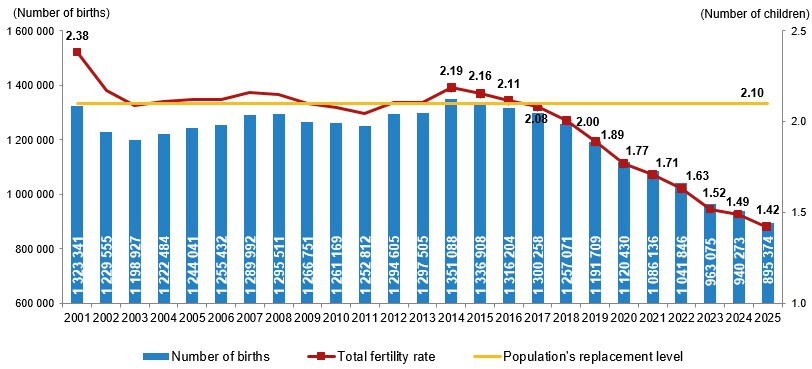
The government's response has been a series of pronatalist measures and rhetoric. In March, Family and Social Services Minister Mahinur Ozdemir Goktas highlighted the issue dramatically in an interview, underscoring the seriousness with which the government views the crisis. Yet, despite these efforts, the birth rate continues to decline.
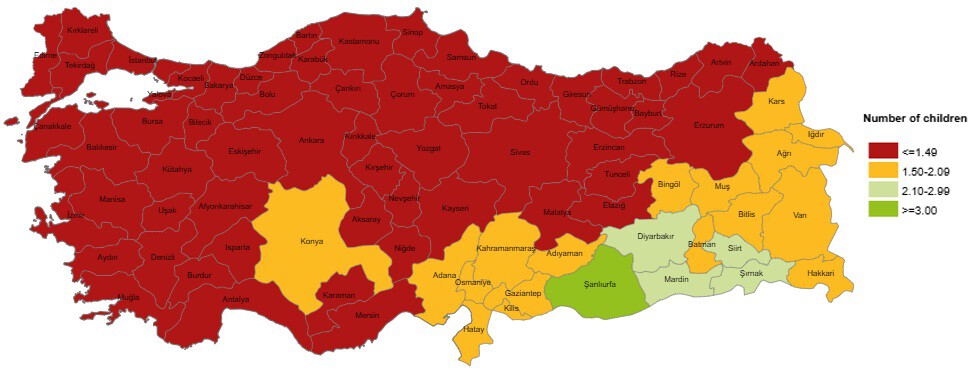
Why Turkey's Pro-Natalist Policies Are Failing
Turkey's situation is not unique; it is part of a global demographic shift. However, the failure of its policies offers lessons for other nations. Several factors contribute to the declining birth rate:
- Economic insecurity: Young couples face high inflation, unemployment, and housing costs, making them reluctant to start families.
- Changing social norms: More women are pursuing higher education and careers, delaying marriage and childbirth.
- Urbanization: City life often comes with higher costs and smaller living spaces, discouraging large families.
- Inadequate support systems: Limited childcare options and workplace flexibility make balancing work and family difficult.
- Government rhetoric vs. reality: While Erdoğan urges more children, concrete financial incentives have been insufficient to offset the costs.
These factors are common in many developed and developing countries, but Turkey's rapid economic transformation and cultural shifts have accelerated the decline.
Comparing Turkey's Demographic Indicators
To understand the scale of the challenge, it helps to compare Turkey's fertility rate with other countries and its own historical data. The table below shows key demographic indicators.
| Indicator | Turkey (2023) | Japan (2023) | South Korea (2023) |
|---|---|---|---|
| Fertility rate (children per woman) | 1.7 | 1.2 | 0.7 |
| Median age (years) | 33 | 49 | 45 |
| Population growth rate (%) | 0.5 | -0.5 | -0.2 |
While Turkey's fertility rate is higher than Japan's and South Korea's, it is declining rapidly and is already below the replacement level. The median age is rising, indicating an aging population.
Economic and Social Consequences
A declining birth rate leads to an aging population, which strains pension systems, healthcare, and social services. With fewer working-age adults, economic growth may slow. Turkey's government is aware of these risks, hence the emphasis on family-friendly policies.
However, the effectiveness of such policies is questionable. Financial incentives like cash bonuses for births have had limited impact in other countries, as they do not address the underlying costs of raising children. Moreover, Erdogan's vocal advocacy may alienate segments of the population who feel their personal choices are being dictated. The background to this story is set out in Spain's Demographic Crisis: Fertility Below One Child per Woman. A related thread runs through Japan's Demographic Crisis: Toyama Officials Accused of Adding 2,000 Fake. Earlier coverage in Europe's Demographic Crisis: Why the Young Will Pay the Price shows how the argument developed.
What's Next for Turkey's Demographic Policy?
The Turkish government is likely to intensify its efforts, possibly introducing more comprehensive support for families, such as subsidized childcare and parental leave. But without addressing economic insecurity and gender equality, these measures may fall short. The experience of countries like Japan and South Korea shows that once fertility rates fall, they are difficult to raise. A closer look at the same subject appears in Colorado Town Declared Abandoned After Water Crisis and. Anyone following the wider picture can start with Europe's Demographic Crisis: The Young Face Heavy Consequences. The same theme surfaces in Europe's Demographic Crisis: The Young Must Not Bear the Cost, which takes a different angle.
Turkey's demographic challenge is a slow-burning crisis that will shape its future for decades. The government's ability to adapt and implement effective policies will determine whether the country can mitigate the impact. Context on how this played out before sits in Europe's Demographic Crisis: Young Face Consequences. A companion piece, Chelsea Midfield Crisis Exposed by Arsenal's Pressing Game, approaches the same subject from another angle.
FAQ
Why is Turkey's birth rate declining?
Turkey's birth rate is declining due to a combination of economic insecurity, changing social norms, urbanization, and inadequate support systems for families. These factors have led to delayed marriage and childbirth, and smaller family sizes.
What has the Turkish government done to address the issue?
The government has declared a "Year of the Family" and a decade dedicated to family and population. President Erdoğan has frequently urged citizens to have more children, and financial incentives have been introduced, though their effectiveness is limited.
How does Turkey compare to other countries with low birth rates?
Turkey's fertility rate is higher than Japan's and South Korea's but is declining rapidly. Like these countries, Turkey faces an aging population and the associated economic challenges.
What are the potential consequences of Turkey's declining birth rate?
A declining birth rate can lead to labor shortages, slower economic growth, and increased pressure on pension and healthcare systems. It may also affect Turkey's geopolitical influence and social dynamics.
Browse the Shop
 Acacia frida deluxe solid wood bed frame |
Bedroom bench |
Bed chest drawers |
Lingerie dresser |
Frame base |
Mirror with jewelry storage |
30 Bathroom Vanity |
Memory foam queen mattress |
Mattresses for back pain |
Nightstand set of 2 |
Grand Goldman Shop |
Civil Lawyer
Deutschland Trikot WM 2026







