

In Barcelona, the growing trend of children playing football on pedestrianized streets has ignited a heated debate between residents and young players. The conflict highlights the clash between urban policies aimed at reclaiming public space for pedestrians and the desire to allow children to play freely.
Residents of areas like the ronda de Sant Antoni, which has been prioritized for pedestrians, complain about the constant noise and damage caused by footballs hitting storefronts, doorways, and even the interior of shops like Sports Ramells. One neighbor, Joan Carles, describes the situation as a "martyrdom" rather than a peaceful pedestrianization, calling the new space an "improvised sports center."
Find Original Home Decor sparking conversation at Grand Goldman Shop.

What Happened: The Conflict on Barcelona's Streets
Without fences or schedules, teenagers are using streetlights as goalposts and kicking balls with force, causing impacts on windows, portals, and local businesses. The noise, even on Sundays, has led some residents to take medication to cope with the stress. The Urban Guard, according to affected residents, has its "hands tied" because the Ombudsman has upheld the right to play, preventing officers from confiscating balls or issuing fines.
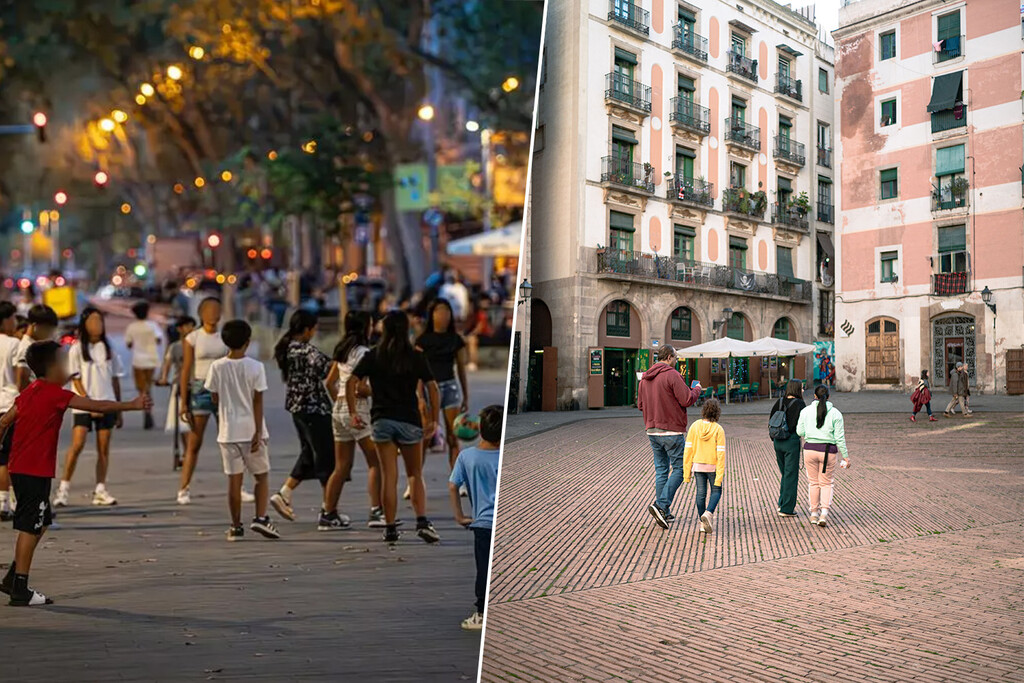
This situation is not unique to Barcelona; it reflects a broader tension in many cities where pedestrianization and child-friendly urban design collide with the peace and quiet expected by residents. The debate raises questions about how to balance the needs of different age groups and the use of public space.
Why It Matters: The Clash of Urban Policies
At its core, the conflict is between two legitimate urban goals: pacifying public space to reduce traffic and pollution, and returning the street to children for play. Both are championed by city planners and community groups, but they can conflict when not properly managed.
Spain has a strong football culture, with over 1.26 million federated licenses in 2024, representing 29.21% of the country's 4.31 million sports licenses. The sport's popularity means that street football is inevitable, especially in dense urban areas where formal pitches are scarce or costly.
The Ombudsman's ruling in favor of the right to play underscores the legal recognition of children's need for recreational space. However, residents argue that their quality of life is being compromised, and local businesses suffer from property damage.
Who Is Affected: Residents, Businesses, and Young Players
The primary stakeholders are the residents living in pedestrianized zones, who face noise and disruption; local businesses that endure damage to their storefronts; and the children and teenagers who simply want to play. The Urban Guard finds itself in a difficult position, caught between enforcing order and respecting the right to play.
Joan Carles and his neighbors are calling for restrictions, such as designated play areas or time limits, to mitigate the impact. Meanwhile, the young players have few alternatives, as organized sports can be expensive and public facilities are often overcrowded. The background to this story is set out in Sagrada Familia Stalled by 200 Barcelona Neighbors. A related thread runs through Prince Harry's Surprise UK Return Sparks Royal Tension. Earlier coverage in Prince Harry's Surprise UK Return Sparks Major Royal Tension shows how the argument developed.
What to Watch Next: Potential Solutions and Policy Responses
The Barcelona case may prompt city officials to rethink how pedestrianized spaces are designed and managed. Possible solutions include creating designated play zones with soundproofing or barriers, implementing time restrictions for ball games, and increasing the number of public football pitches. A closer look at the same subject appears in Crowborough Divided: Asylum Seekers and Community Tension. Anyone following the wider picture can start with US Strikes Iranian Infrastructure Amid Rising Middle East Tension. The same theme surfaces in Kuril Islands Dispute: Putin's Visit Reignites Japan-Russia Tension, which takes a different angle.
Other cities facing similar issues might look to Barcelona as a test case. The outcome could influence urban policies across Spain and beyond, shaping how cities balance the needs of children with those of residents. Context on how this played out before sits in Manchester City's Anfield Welcome: Tension, Cheat Banners, Inflatable. A companion piece, Kevin Keegan's Three-Act Newcastle Drama: Joy, Tears & Tension, approaches the same subject from another angle.
Key Takeaways
- Barcelona's pedestrianized streets have become informal football pitches, causing tension between young players and residents.
- Residents complain of noise and damage, while the Urban Guard is limited by the Ombudsman's ruling on the right to play.
- Spain's football culture and lack of accessible play areas contribute to the prevalence of street football.
- Potential solutions include designated play areas, time restrictions, and more public facilities.
- The conflict highlights the challenge of balancing child-friendly urban design with residents' quality of life.
Comparison of Perspectives
| Stakeholder | Main Concern | Desired Outcome |
|---|---|---|
| Residents | Noise, damage, stress | Restrictions on street football, designated play areas |
| Young Players | Lack of safe, accessible play spaces | Freedom to play in public spaces |
| Local Businesses | Property damage, disruption | Protection from ball impacts, compensation |
| City Officials | Balancing competing interests | Implementing fair regulations, creating more facilities |
FAQ
Why are children playing football on Barcelona's streets?
Children play football on Barcelona's streets because pedestrianized areas provide open space, and there is a lack of accessible and affordable formal football facilities. The city's dense urban environment and the sport's popularity contribute to this practice.
What is the Ombudsman's ruling on the right to play?
The Ombudsman (Síndic de Greuges) has upheld the right of children to play in public spaces, which limits the ability of the Urban Guard to confiscate balls or fine players. This ruling supports children's recreational needs but has sparked controversy among residents.
How are residents responding to the street football?
Residents have complained about noise and damage, with some taking medication to cope with stress. They are calling for restrictions, such as designated play areas or time limits, to reduce the impact on their quality of life.
What solutions are being considered?
Potential solutions include creating designated play zones with soundproofing, implementing time restrictions for ball games, and increasing the number of public football pitches. City officials may also review regulations to balance the needs of all stakeholders.
Browse the Shop
 Acacia frida deluxe solid wood bed frame |
Bedroom bench |
Bed chest drawers |
Lingerie dresser |
Frame base |
Mirror with jewelry storage |
30 Bathroom Vanity |
Memory foam queen mattress |
Mattresses for back pain |
Nightstand set of 2 |
Grand Goldman Shop |
Civil Lawyer
Deutschland Trikot WM 2026







