

Copper theft in Catalonia has reached crisis levels, prompting the regional government to seek harsher penalties. The Generalitat is negotiating with Spain's central government to amend the Criminal Code so that copper cable thieves face prison time directly, without the possibility of lesser charges.
The move comes as thefts of the valuable metal surge, causing widespread disruption to rail networks, traffic signals, and telephone lines. Authorities say the current legal framework treats copper theft as a simple property crime, failing to reflect the severe impact on communities and infrastructure.
Find Original, High-end Home Decor that spark conversation at Grand Goldman Shop.
Why Copper Theft Is a Growing Problem in Catalonia
Copper has become one of the most sought-after metals in Spain, and not for jewelry. Its high value and accessibility make it a prime target for thieves, who steal it by the ton. The recent case in Lleida illustrates the scale: two men were caught cutting cable near the train tracks between Lleida and Puigverd.
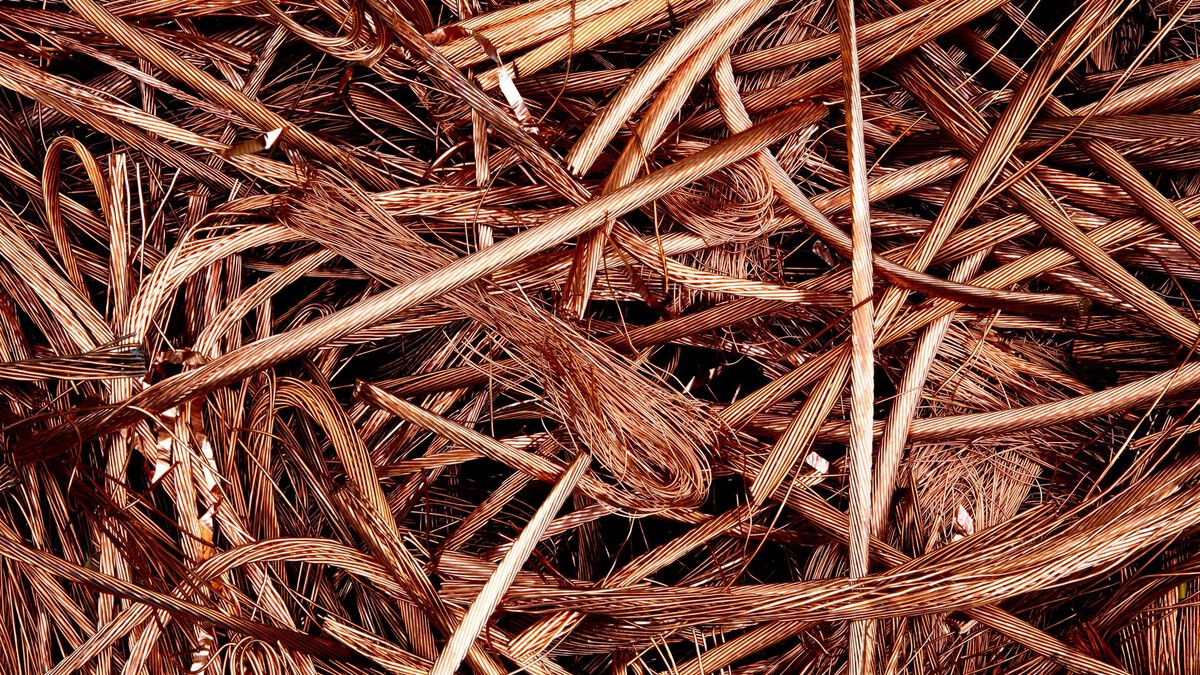
Police linked them to another theft the day before—two tons of cable stolen from an Adif warehouse in Raimat. Over three months, the pair had been selling copper to scrap dealers in the region for 10 euros per kilo. One of them was also connected to a mid-September robbery valued at 5,500 euros.
The Impact on Infrastructure and Daily Life
The thefts are not victimless. When copper cables are stolen, trains halt, traffic lights go dark, and entire towns lose telephone service. The R3 line of Rodalies, between L'Hospitalet and Puigcerdà, has been particularly hard hit, earning a reputation as the most affected section.
These disruptions affect thousands of commuters and residents, highlighting the urgent need for stronger deterrents. The Generalitat argues that treating such thefts as mere misdemeanors underestimates the chaos they cause.
Proposed Legal Changes: What's on the Table
The regional government, led by spokesperson Sílvia Paneque, confirmed this week that they are pushing for a change in the Criminal Code. The goal is to ensure that copper cable thieves are sent directly to prison, rather than facing lighter penalties.
Currently, such thefts are often classified as hurto (petty theft) rather than robo (robbery), which carries heavier sentences. The proposed reform would reclassify copper theft to reflect its seriousness and the damage it inflicts on critical infrastructure.
Key Takeaways from the Copper Theft Crisis
- Copper theft in Catalonia has surged, causing significant disruptions to rail, traffic, and communication networks.
- The Generalitat is negotiating with the central government to amend the Criminal Code for harsher penalties.
- Thieves often sell stolen copper to scrap dealers for around 10 euros per kilo.
- The R3 Rodalies line is among the most affected, with repeated thefts causing delays and cancellations.
- Current laws treat copper theft as a property crime, but officials argue it should be considered a serious offense due to its impact on public services.
Comparing Penalties: Current vs. Proposed
| Offense | Current Penalty | Proposed Penalty |
|---|---|---|
| Copper theft (first offense) | Fine or community service | Prison sentence (1-3 years) |
| Copper theft (repeat offense) | Possible prison (up to 18 months) | Mandatory prison (2-4 years) |
| Aggravated theft (large scale) | Prison (1-3 years) | Prison (3-5 years) |
Note: Proposed penalties are based on the Generalitat's proposal and may be subject to negotiation. The background to this story is set out in Erin Patterson Mushroom Murders: Prosecutors Seek Harsher Sentence. A related thread runs through Catalonia's Political Shift: Puigdemont's Return Impact. Earlier coverage in Trending: latest articles shows how the argument developed.
What This Means for Residents and Businesses
For residents, the reform could mean fewer disruptions to essential services. For businesses, especially those relying on rail transport, it could reduce costly delays. However, some legal experts caution that stricter penalties alone may not address the root causes, such as high copper prices and demand from scrap dealers. A closer look at the same subject appears in Three Youths Steal Car and Flee Gas Station, Caught 100 km Later. Anyone following the wider picture can start with Indefinite Rental Contracts: Europe's Solution to Housing Crises. The same theme surfaces in Mercadona Juice Theft: Shoplifting or Robbery? 2-Year Sentence Sought, which takes a different angle.
The government is also considering measures to regulate scrap dealers more tightly, requiring them to verify the origin of copper and report suspicious transactions. Context on how this played out before sits in New Private Parking Code Outlaws Rip-Off Fines for Drivers. A companion piece, Prisoner Rehabilitation Barriers: What Really Gets in the Way, approaches the same subject from another angle.
FAQ
Why is copper theft so common in Catalonia?
Copper is highly valuable and relatively easy to steal from infrastructure like railways and telephone lines. High demand from scrap dealers, who pay around 10 euros per kilo, incentivizes thieves.
How does copper theft affect daily life?
Theft of copper cables can cause train delays, traffic light failures, and telephone outages, disrupting thousands of people and costing millions in repairs.
What is the R3 line and why is it targeted?
The R3 is a commuter rail line in Catalonia between L'Hospitalet and Puigcerdà. Its remote sections make it a frequent target for copper thieves, leading to repeated service disruptions.
What happens next in the legal process?
The Generalitat is negotiating with the central government. Any change to the Criminal Code requires approval by the Spanish Parliament, which could take months.
What to Watch For
As negotiations proceed, keep an eye on whether the reform gains traction in Madrid. If approved, it could set a precedent for other regions facing similar issues. Meanwhile, authorities are increasing patrols and surveillance on affected lines.
For now, commuters on the R3 and other affected routes should stay informed about potential delays. The outcome of this legal push will determine whether Catalonia's copper theft epidemic is curbed or continues to disrupt daily life.
Browse the Shop
 Acacia frida deluxe solid wood bed frame |
Bedroom bench |
Bed chest drawers |
Lingerie dresser |
Frame base |
Mirror with jewelry storage |
30 Bathroom Vanity |
Memory foam queen mattress |
Mattresses for back pain |
Nightstand set of 2 |
Grand Goldman Shop |
Civil Lawyer
Deutschland Trikot WM 2026










