

China's silver economy is emerging as the country's Plan B for falling birth rates. After years of failed pronatalist policies, Beijing is now betting on its aging population to drive growth, targeting a market worth 30 trillion yuan by 2035. This pivot marks a significant shift in economic strategy, with profound implications for China and the world.
Why China Is Pivoting to the Silver Economy
For decades, China tried to boost birth rates through incentives, regulatory changes, and campaigns encouraging larger families. But these efforts have not reversed the demographic decline. Births continue to fall, and projections show an increasingly elderly population. According to the Financial Times, the government is now changing its approach: instead of focusing solely on increasing the number of young people, it is building an economic strategy around the certainty that hundreds of millions of citizens will be over 65 in the coming decades.
Find Original Home Decor sparking conversation at Grand Goldman Shop.

This shift acknowledges a new reality: China is aging irreversibly, and the economy must adapt. The silver economy aims to turn the needs, consumption, and services for older adults into a major engine of growth.
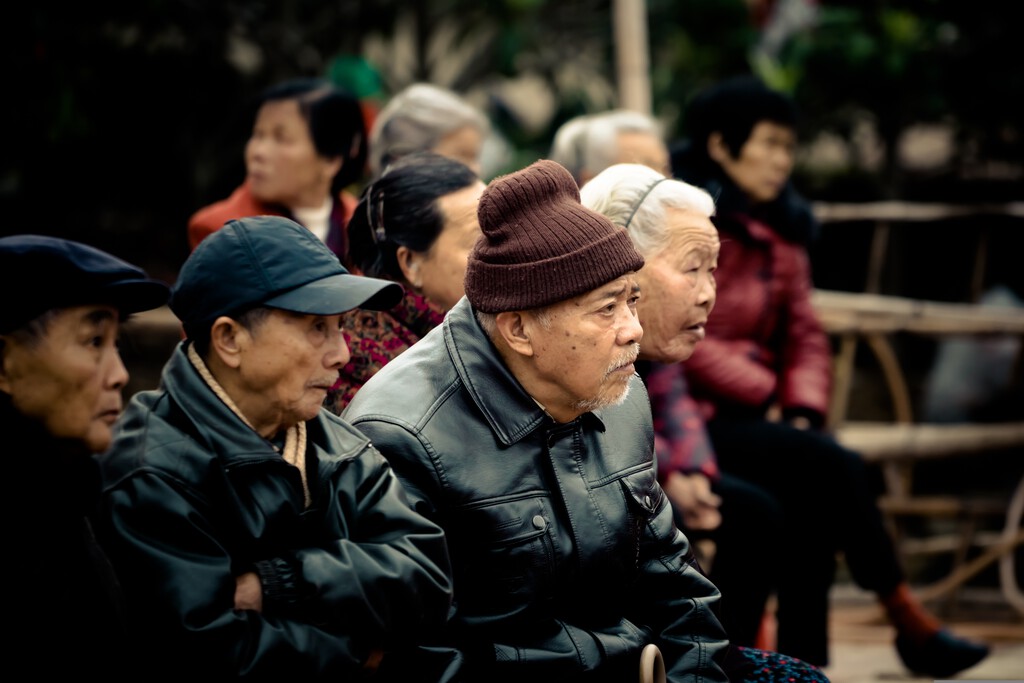
What Is the Silver Economy?
The silver economy encompasses all economic activities related to the aging population, including healthcare, elder care, financial services, tourism, and consumer goods tailored to seniors. In China, the government estimates this market could reach 30 trillion yuan by 2035, a colossal figure driven by the sheer size of the demographic shift.
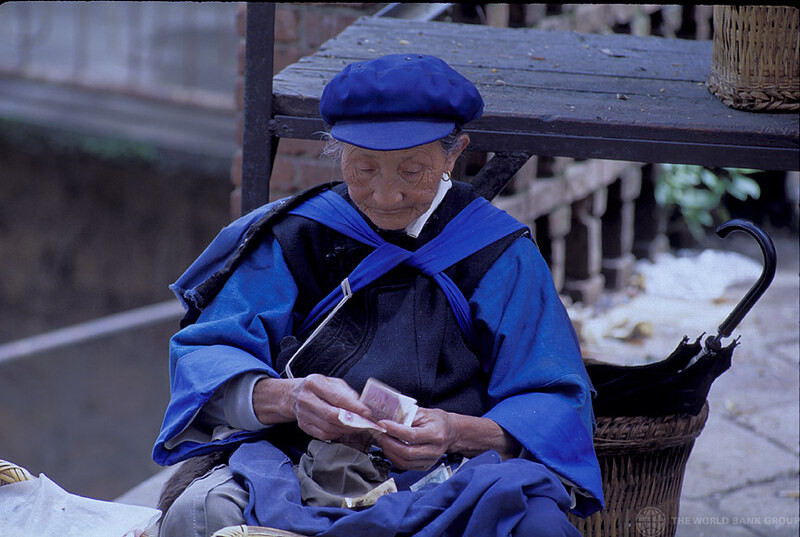
As the number of seniors grows, so does demand for products and services that cater to their needs. This creates opportunities for businesses across sectors, from technology to real estate.
Key Drivers of China's Silver Economy
- Rapid aging: China's population is aging faster than almost any other country in history.
- Government support: Policies and investments are being redirected to support senior-focused industries.
- Rising incomes: Many older Chinese have savings and pensions, creating purchasing power.
- Technological innovation: Smart home devices, health monitoring, and telemedicine are increasingly targeted at seniors.
- Urbanization: As cities grow, demand for specialized elder care facilities increases.
Challenges and Opportunities
While the silver economy presents immense opportunities, it also comes with challenges. China's pension system and healthcare infrastructure are under strain, and there is a shortage of trained caregivers. Moreover, income inequality among the elderly is significant, with many rural seniors lacking adequate support.
However, businesses that can innovate and scale solutions for elder care stand to benefit. Companies in healthcare, robotics, and financial services are already positioning themselves to capture this growing market.
Comparison: Traditional vs. Silver Economy Focus
| Aspect | Traditional Growth Model | Silver Economy Model |
|---|---|---|
| Demographic Focus | Youth and working-age population | Seniors (65+) |
| Key Sectors | Manufacturing, exports, tech | Healthcare, elder care, leisure |
| Labor Market | Abundant young workers | Extended working lives, automation |
| Government Spending | Education, child benefits | Pensions, healthcare, senior services |
| Market Size (2035) | N/A | 30 trillion yuan |
What This Means for China and the World
China's pivot to the silver economy is a tacit admission that its demographic decline is unstoppable. It also signals a new phase in economic development, where aging is not just a burden but a market opportunity. For global businesses, this shift could open doors to partnerships and investments in China's senior care sector. The background to this story is set out in Global Population Aging Faster Than Expected: The Japanization Problem. A related thread runs through Australia's Ageing Population: Deaths to Outnumber Births by 2060s. Earlier coverage in China's Falling Birth Rate Meets AI Companionship: A Worsening Crisis shows how the argument developed.
Yet, the success of this strategy depends on effective implementation. China must address regulatory hurdles, ensure quality standards, and foster innovation. If successful, the silver economy could become a model for other aging societies. A closer look at the same subject appears in UK Inflation Falls to 2.6%: Boost for Economy and Cost of. Anyone following the wider picture can start with UK Inflation Falls to 2.6%: Boost for Economy and Households. The same theme surfaces in Falling Birthrates: Why Cash Alone Cannot Buy Belonging, which takes a different angle.
The global implications are significant. As China's demand for senior care products and services grows, it will shape international trade and investment flows. Countries with expertise in elder care, medical devices, and senior housing may find new export opportunities. Context on how this played out before sits in UK Job Vacancies Fall to 712,000 as Economy Weakens.
FAQ
What is China's silver economy?
Why is China focusing on the silver economy instead of increasing birth rates?
What are the challenges of developing the silver economy in China?
As China navigates its demographic transition, the silver economy represents a bold reimagining of growth. For a deeper look at how the country is leveraging technology and infrastructure for its future, see our analysis of China's 582-ton magnet for artificial sun fusion energy, which highlights another facet of its long-term strategy.
Investors and businesses worldwide should monitor this shift closely. The silver economy could redefine China's economic landscape and create new avenues for global collaboration. Staying informed about these developments will be crucial for anyone with an interest in China's future.
Browse the Shop
 Acacia frida deluxe solid wood bed frame |
Bedroom bench |
Bed chest drawers |
Lingerie dresser |
Frame base |
Mirror with jewelry storage |
30 Bathroom Vanity |
Memory foam queen mattress |
Mattresses for back pain |
Nightstand set of 2 |
Grand Goldman Shop |
Civil Lawyer
Deutschland Trikot WM 2026







