

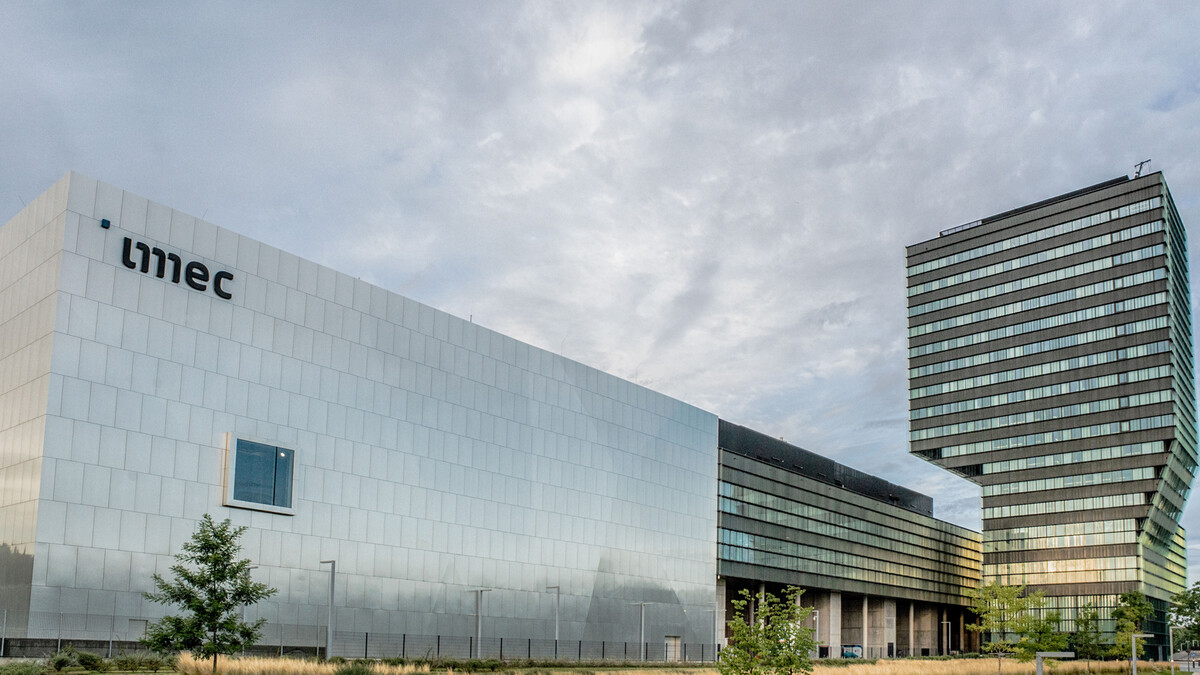
Imec Spain is set to open a new semiconductor research lab in Málaga, creating 200 high-skilled jobs and boosting Europe's tech landscape. The announcement marks a significant expansion for the Belgian research institute, which is a global leader in advanced semiconductor development.
Imec, or the Interuniversity Microelectronics Centre, was founded in 1984 in Leuven, Belgium. It has grown into one of the most influential semiconductor research labs in the world, with facilities in the US, the Netherlands, Germany, Italy, and the UK. Now, it is adding Spain to its list of locations.
Find Original Home Decor sparking conversation at Grand Goldman Shop.

Why Imec Chooses Málaga for Its New Lab
The new lab will be located at the Andalusia Technology Park, also known as Málaga TechPark. This 51,300-square-meter facility will focus on advanced semiconductor research and development. According to Karel van Gils, the director general of imec Spain, the choice of Málaga was strategic.

Van Gils, an engineer specialized in microelectronics, has spent his career in semiconductor metrology and inspection. He joined imec in 2018 as R&D director of the cleanroom and now leads the Spanish initiative. In an interview, he noted that Spain offers opportunities that are restricted in Belgium.
"In Málaga we will be able to do things that are totally prohibited in Belgium," van Gils said, hinting at regulatory or operational flexibility that benefits research. This could relate to faster permitting processes or more lenient rules on certain technologies.

What This Means for Europe's Semiconductor Industry
Europe has been pushing to increase its share of global semiconductor production. The EU Chips Act aims to double the bloc's market share to 20% by 2030. Imec's expansion into Spain supports this goal by spreading research capabilities across more countries.
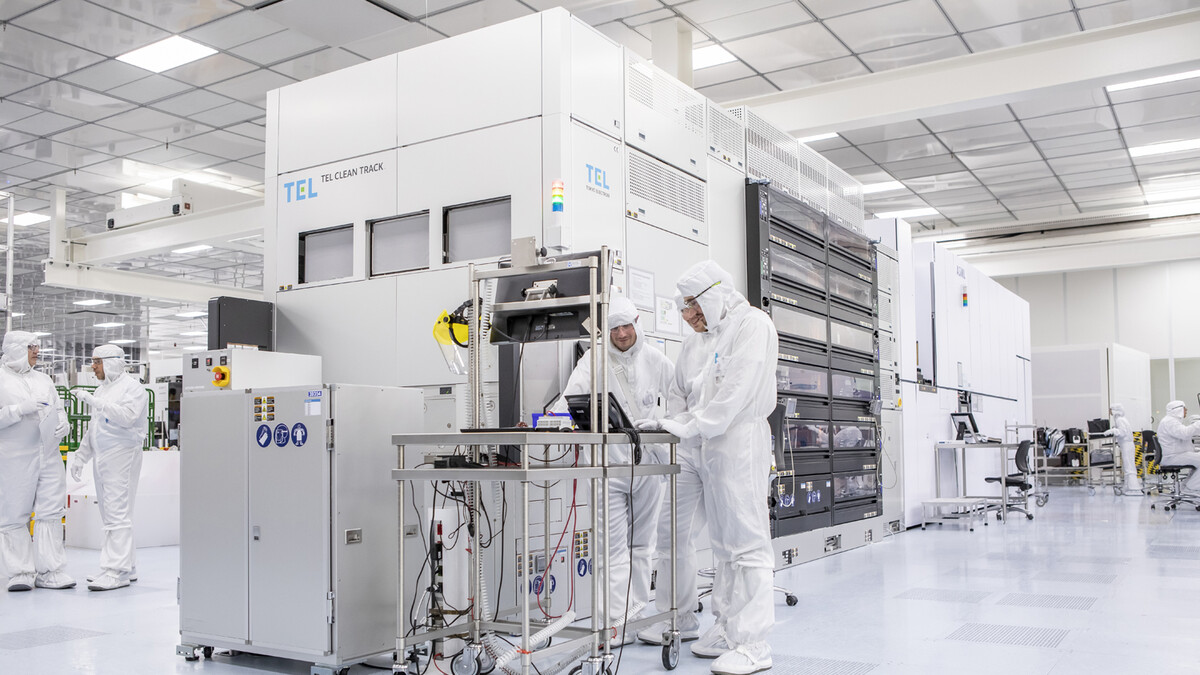
The Málaga lab will complement imec's existing facilities, which include strong ties with ASML, the Dutch company that makes advanced lithography machines. Imec's research covers integrated circuit scaling, system integration, silicon photonics, artificial intelligence, sensors, and connectivity.
Spain's government has been actively courting tech investment, and the new lab is a vote of confidence in the country's ability to host high-tech research. The 200 jobs will be highly qualified positions, likely attracting talent from across Europe.
Key Takeaways from the Imec Spain Announcement
- Imec Spain will build a 51,300-square-meter lab in Málaga TechPark.
- The facility will create 200 high-skilled jobs.
- Imec is a world leader in semiconductor research, founded in 1984.
- The Málaga lab will allow research activities that are restricted in Belgium.
- This expansion supports Europe's goal to boost semiconductor production.
Challenges and Opportunities Ahead
Building a new research facility is never without challenges. Imec will need to recruit specialized staff, establish partnerships with local universities, and integrate with the existing European research network. However, the potential benefits are substantial.
The lab could spur innovation in Andalusia, creating a tech hub that attracts other companies and startups. It also strengthens ties between Spain and Belgium in the semiconductor field. Van Gils's leadership will be crucial in navigating these early stages.
For Spain, this is a chance to move up the value chain in electronics. The country has traditionally been strong in automotive and tourism, but high-tech research has lagged. Imec's presence could change that narrative. Context on how this played out before sits in Imec Spain: New Málaga Lab to Employ 200 High-Skilled Workers.
Comparison of Imec's European Facilities
| Location | Country | Specialization | Notable Partnerships |
|---|---|---|---|
| Leuven | Belgium | Advanced semiconductor R&D | ASML, global chipmakers |
| Eindhoven | Netherlands | Lithography, equipment | ASML |
| Dresden | Germany | Silicon photonics | Local research institutes |
| Málaga | Spain | To be determined | Málaga TechPark |
As the Málaga lab takes shape, all eyes will be on how it integrates with imec's global network. The project is expected to break ground soon, with operations likely starting in the next few years. The background to this story is set out in Spain's IMEC Chip Research Center in Málaga to Break Ground in 2027. A related thread runs through Australian Young Talents Move to Europe, Boosting Socceroos.
What to Watch Next
Van Gils has indicated that the Málaga facility will enable research that is off-limits in Belgium. This could involve certain types of AI experimentation or data usage. The specifics remain unclear, but the implications for data privacy and ethics are worth monitoring. Earlier coverage in Cobots and Exoskeletons in Spain: Boosting Productivity shows how the argument developed. A closer look at the same subject appears in Spain's IA360 Plan: Boosting AI Investment and Public Services.
Spain's regulatory environment for tech research is generally favorable, but the country also has strict data protection laws aligned with the EU's GDPR. Finding the right balance will be key. Anyone following the wider picture can start with Trending: latest articles. The same theme surfaces in PcComponentes Black Friday Deals: Up to 60% Off Laptops, which takes a different angle.
For those interested in the culinary side of Spanish innovation, the region of Valencia offers a different kind of creativity. A traditional dish like Arroz con Cosas: Valencian Rice with Chorizo and Chickpeas shows how local ingredients can come together in unexpected ways. Similarly, the watch industry has its own leaders; an interview with John Vergotti, General Director of Patek Philippe Ibérica reveals insights from another sector where precision matters. Both examples highlight how expertise and tradition can drive innovation.
FAQ
What is imec and why is it important?
Imec is a leading semiconductor research institute based in Belgium. It develops advanced technologies that power everything from smartphones to AI systems. Its work is crucial for maintaining Europe's competitiveness in the global chip industry.
How many jobs will the new Málaga lab create?
The lab is expected to employ 200 people in high-skilled positions, including researchers, engineers, and support staff. These jobs will require advanced degrees and specialized training.
Why did imec choose Málaga over other Spanish cities?
Málaga TechPark offers existing infrastructure and a growing tech ecosystem. Additionally, local government support and the availability of talent likely influenced the decision. The city also provides a high quality of life, attractive to international researchers.
What research will be conducted at the Málaga lab?
While specifics are not yet public, imec's work spans integrated circuits, silicon photonics, AI, sensors, and connectivity. The Málaga lab may focus on areas that face fewer restrictions in Spain than in Belgium, according to Karel van Gils.
Browse the Shop
 Acacia frida deluxe solid wood bed frame |
Bedroom bench |
Bed chest drawers |
Lingerie dresser |
Frame base |
Mirror with jewelry storage |
30 Bathroom Vanity |
Memory foam queen mattress |
Mattresses for back pain |
Nightstand set of 2 |
Grand Goldman Shop |
Civil Lawyer
Deutschland Trikot WM 2026







