

Iran's cloud-seeding fears have escalated into a strategic narrative that blends drones, missiles, and the suspicion that neighboring countries are stealing its rain. In 2018, a senior Iranian commander accused nearby nations, including the UAE, of preventing clouds from releasing water over Iran. The claim took root amid extreme droughts and regional rivalries, even though the science never supported it. Today, the idea has evolved from a lone comment into a recurring story with real political consequences.
What Is Cloud Seeding and Why It Matters
Cloud seeding is a real technology that introduces particles into clouds to encourage rainfall. The process typically uses silver iodide or salt particles to provide nuclei around which water droplets can form. More than 50 countries have experimented with the technique since the first successful attempts in 1947, funded by the US military. It is not a weapon that can steal rain from another country, but it can enhance precipitation under the right conditions.
Find Original Home Decor sparking conversation at Grand Goldman Shop.

The UAE has turned cloud seeding into a near-strategic policy, investing millions in research and operations. For a desert nation with scarce water, this makes sense. But for Iran, facing its own water crisis, the sight of a neighbor actively modifying clouds has fueled suspicion. The gap between scientific reality and public perception is where the narrative thrives.
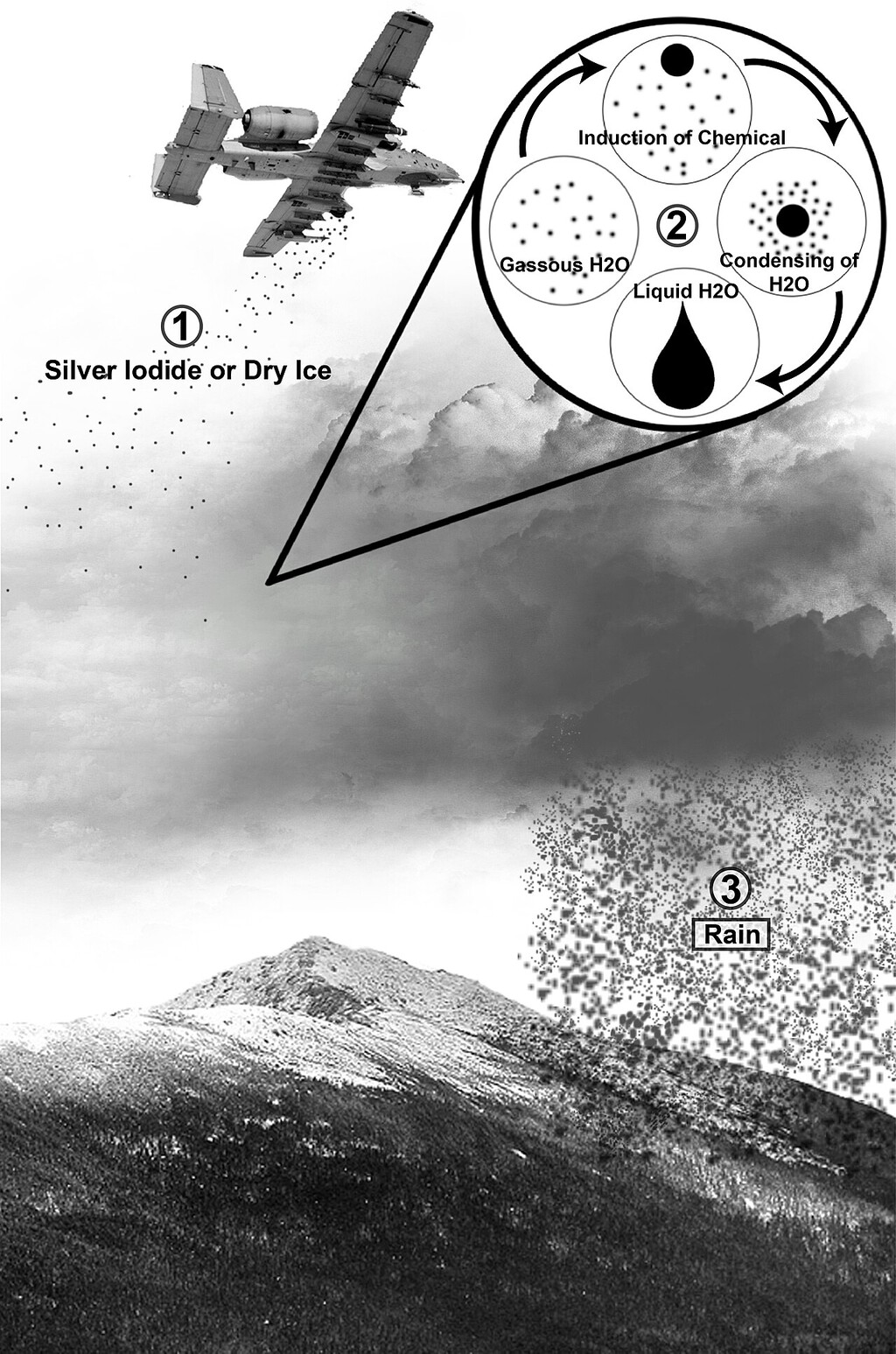
The Origins of Iran's Suspicion
The accusation did not emerge in a vacuum. Iran has suffered from severe droughts, with water shortages sparking protests and straining agriculture. In this context, a simple explanation—that someone else is taking the rain—is appealing. It shifts blame from domestic mismanagement and climate change to an external enemy.
Regional politics also play a role. Iran and the UAE are rivals in a tense neighborhood, and any technological advantage can be framed as a threat. The cloud-seeding accusation fits neatly into a broader narrative of encirclement and sabotage. It is a story that resonates because it offers a clear villain in a complex crisis.
Drones and Missiles: The Military Dimension
Iran's military capabilities, including drones and ballistic missiles, are often invoked in the same breath as cloud seeding. The implication is that Iran's enemies might use advanced technology to manipulate weather or deny Iran its water. This is scientifically unfounded, but it taps into fears of a new kind of warfare—one where the environment itself becomes a weapon.
In reality, cloud seeding has limited range and effect. It cannot be directed at a specific country to steal its rainfall. Weather systems are vast and chaotic, and the idea that a neighbor could reliably divert rain is not supported by physics. Yet the psychological impact of the accusation is real, and it can justify military posturing or diplomatic retaliation.
Who Is Affected by the Rain-Stealing Narrative?
The primary victims are ordinary Iranians who face water shortages and may believe a foreign power is to blame. This diverts attention from needed domestic reforms in water management. Neighboring countries, particularly the UAE, find themselves accused of hostile acts based on misunderstanding. International scientific cooperation on weather modification could suffer if trust erodes.
Moreover, the narrative can escalate tensions in an already volatile region. If Iran believes its water security is under attack, it might respond with military or political measures. The stakes are high because water is life, and perceived threats to it can provoke strong reactions. The background to this story is set out in Iran crisis: Structural problems beyond Trump's presidency. A related thread runs through Indonesia Fights Toxic Haze with Dry Ice Cloud Seeding. Earlier coverage in US Strikes Iran for 10th Time as Iran Declares 'Full-Scale War' shows how the argument developed.
What to Watch Next
Look for Iran to continue using the rain-stealing narrative as a diplomatic tool. It may raise the issue in regional forums or use it to justify further military development. At the same time, scientific bodies could step up efforts to clarify the limits of cloud seeding and promote transparency. A closer look at the same subject appears in Trump's Iran Strategy: Kindergarten Diplomacy Fails. Anyone following the wider picture can start with Vaginal Seeding for C-Section Babies: Science Says Stop. The same theme surfaces in Trending: latest articles, which takes a different angle.
Water scarcity in the Middle East is only going to worsen with climate change, making the narrative more potent. The challenge will be to separate legitimate concerns about water security from unfounded conspiracy theories. Only then can countries cooperate on real solutions. Context on how this played out before sits in US Sends Iran 15-Point Peace Plan While 3,000 Paratroopers Deploy. A companion piece, Iran's Cloud-Seeding Fears: Drones, Missiles, and Stolen Rain, approaches the same subject from another angle.
- Cloud seeding is a real technology but cannot steal rain from another country.
- Iran's accusation stems from drought, regional rivalry, and misunderstanding of science.
- The narrative serves to shift blame for water mismanagement and justify military posturing.
- Neighbors like the UAE are unfairly targeted, risking regional cooperation.
- Climate change will intensify water scarcity, making the narrative more dangerous.
Comparing Cloud-Seeding Capabilities
| Country | Cloud-Seeding Program | Investment Level | Primary Goal |
|---|---|---|---|
| UAE | Active, advanced | High (millions) | Enhance rainfall for water security |
| Iran | Limited, research-based | Low to moderate | Address drought |
| US | Pioneer, operational in some states | Moderate | Water supply, agriculture |
| China | Large-scale | High | Weather modification for agriculture |
FAQ
Can cloud seeding actually steal rain from another country?
No. Cloud seeding can enhance precipitation locally under specific conditions, but it cannot divert weather systems on a scale that would deprive another country of rain. The atmosphere is too dynamic for such precise manipulation.
Why does Iran believe its neighbors are stealing its rain?
Iran faces severe water shortages and regional tensions. The accusation offers a simple explanation for a complex problem and fits into a narrative of external threats. It also deflects blame from domestic water management issues.
What is the UAE's cloud-seeding program?
The UAE has invested heavily in cloud seeding as part of its water security strategy. It conducts regular operations to enhance rainfall, which is crucial for a desert country with limited freshwater resources.
How does this affect regional stability?
The narrative can increase tensions and hinder cooperation on water issues. If Iran feels its water security is threatened, it may take retaliatory measures, escalating conflicts in an already volatile region.
Browse the Shop
 Acacia frida deluxe solid wood bed frame |
Bedroom bench |
Bed chest drawers |
Lingerie dresser |
Frame base |
Mirror with jewelry storage |
30 Bathroom Vanity |
Memory foam queen mattress |
Mattresses for back pain |
Nightstand set of 2 |
Grand Goldman Shop |
Civil Lawyer
Deutschland Trikot WM 2026







