

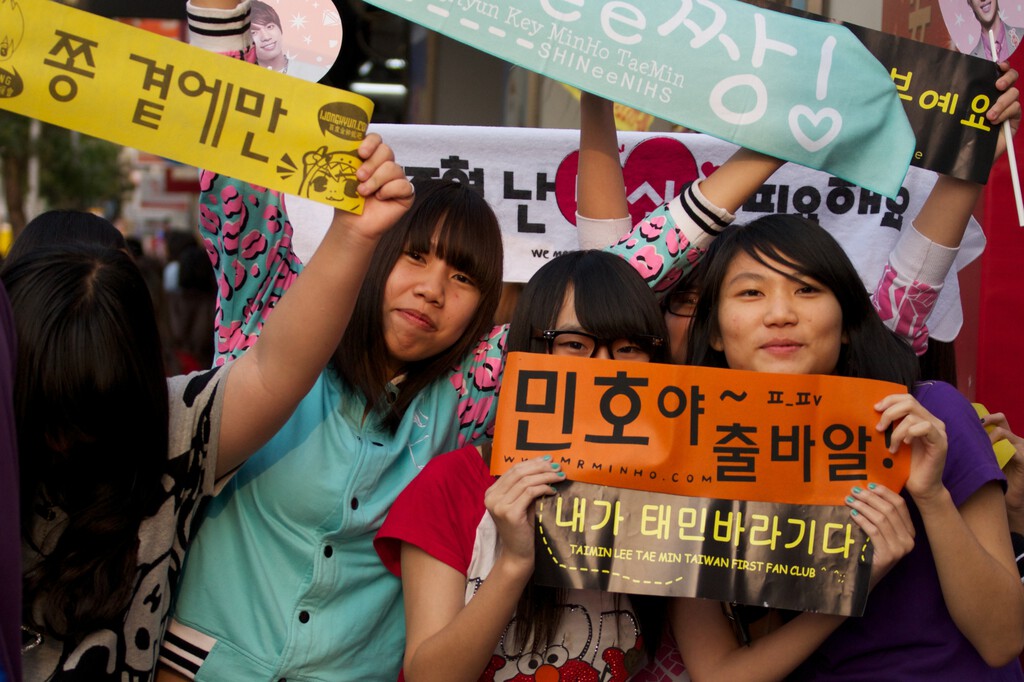
K-pop fans are increasingly targeted by scammers exploiting their passion for tickets and merchandise. As the genre's global popularity surges, fraudsters are using sophisticated tactics to steal money and personal information from unsuspecting fans.
The K-pop industry generates billions of dollars annually, and the fervor of its fandom creates a perfect storm for scams. Limited-edition albums, rare photocards, and concert tickets often sell out in seconds, leading fans to desperate measures—and scammers are ready to pounce.
Find Original Home Decor sparking conversation at Grand Goldman Shop.

Why K-Pop Fans Are Prime Targets for Scammers
K-pop fandom is characterized by intense dedication and a sense of urgency. When tickets go on sale, fans know they must act fast or miss out entirely. This urgency, combined with the emotional investment in their favorite groups, makes fans vulnerable to manipulation.

Scammers understand this psychology. They create fake websites, social media profiles, and listings that mimic official sources, promising access to sold-out events or rare merchandise. The combination of eagerness, haste, and fear of missing out is exactly what fraudsters exploit.
Common K-Pop Scams and How They Work
Authorities in Singapore and South Korea have issued warnings about fraud targeting K-pop fans. As the genre gains followers worldwide, it seems that for every item a fan wants to buy, there's a scammer ready to counterfeit it.

Fake Ticket Sales
One of the most prevalent scams involves fake concert tickets. Scammers create convincing websites or social media posts offering tickets to sold-out shows. Victims pay upfront, often via untraceable methods like gift cards or cryptocurrency, only to receive nothing or invalid tickets.
In some cases, scammers use phishing emails that appear to come from official ticketing platforms, asking fans to "verify" their accounts or payment details. These emails lead to fake login pages designed to steal credentials.
Counterfeit Merchandise
Even if you're not a K-pop fan, you've likely encountered websites selling counterfeit merchandise. These sites promise official products but deliver cheap knockoffs—or nothing at all. Rare photocards, limited-edition albums, and exclusive apparel are common targets.
Scammers often use stolen images and fake reviews to make their sites look legitimate. They may also advertise on social media with sponsored posts that mimic official band accounts.
Phishing and Identity Theft
Phishing attacks are another major threat. Fans may receive messages that appear to be from official fan clubs or ticketing agencies, asking for personal information or login credentials. These messages often include links to fake websites that harvest data.
Once scammers have your information, they can use it for identity theft or to access your financial accounts. The damage can be severe and long-lasting.
How to Protect Yourself from K-Pop Scams
Staying safe requires vigilance and a bit of skepticism. Here are key steps to avoid falling victim:
- Verify the source: Only buy tickets and merchandise from official websites and authorized retailers. Check the URL carefully and look for secure connections (https).
- Avoid too-good-to-be-true deals: If a ticket or item is priced far below market value, it's likely a scam.
- Use secure payment methods: Credit cards offer better fraud protection than wire transfers, gift cards, or cryptocurrency.
- Research sellers: Look for reviews and ratings. For private sellers, use platforms with buyer protection.
- Enable two-factor authentication: Protect your accounts with 2FA to prevent unauthorized access.
- Be wary of unsolicited messages: Don't click on links or download attachments from unknown senders.
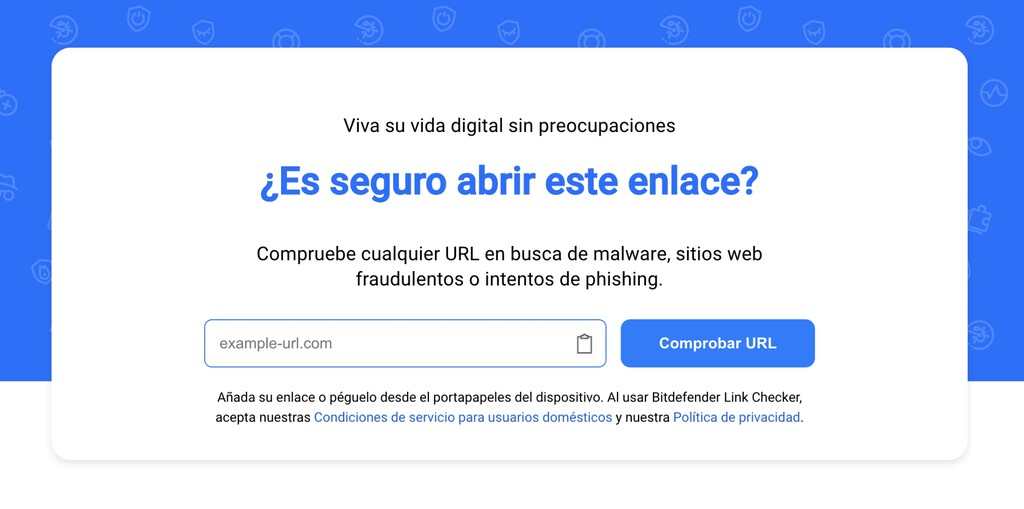
Security software like Bitdefender can also help by blocking phishing sites and malicious downloads. However, the first line of defense is always your own awareness.
What to Do If You've Been Scammed
If you suspect you've been scammed, act quickly. Contact your bank or credit card company to report the fraudulent transaction and possibly reverse the charge. Change any compromised passwords and enable 2FA where possible.
Report the scam to the platform where it occurred (e.g., social media site, marketplace) and to local authorities. In some countries, you can file a report with consumer protection agencies or cybercrime units.
Finally, warn others in the fan community. Sharing your experience can help prevent others from falling victim to the same scam.
Staying Safe While Enjoying the Fandom
The K-pop fandom is a vibrant community, and falling victim to a scam can be disheartening. However, by staying informed and cautious, you can protect yourself and continue to enjoy the music and camaraderie. The background to this story is set out in Trending: latest articles. A related thread runs through Best Handheld Vacuums: Top Picks from $39 and Buying Guide.
For those interested in celebrity news and events, check out our coverage of Justin Bieber's surprise free acoustic concert in Los Angeles. It's a reminder that genuine opportunities do exist, and staying connected to reliable sources helps you spot the fakes. Earlier coverage in Why the Future of Mobile Cameras Is Realism, Not Perfect Photos shows how the argument developed. A closer look at the same subject appears in Huawei Watch D3 Review: Blood Pressure on Your Wrist.
Remember, scammers thrive on urgency and emotion. Take a step back, verify before you buy, and trust your instincts. Your safety is worth more than any ticket or photocard. Anyone following the wider picture can start with Why That Thing You Do! Is the Ultimate Feelgood Movie. The same theme surfaces in Africa's Great Green Wall: 100 Million Trees and Counting, which takes a different angle.
FAQ
What are the most common K-pop scams?
The most common scams include fake ticket sales, counterfeit merchandise, and phishing attacks. Scammers exploit fans' eagerness to see their favorite groups or collect rare items.
How can I tell if a ticket seller is legitimate?
Legitimate sellers typically have a professional website, secure payment options, and clear contact information. Check for reviews and avoid deals that seem too good to be true. Always use payment methods with buyer protection.
What should I do if I've been scammed?
Immediately contact your bank or credit card company to report the fraud. Change any compromised passwords, report the scam to the platform and authorities, and warn others in the community.
Can security software protect me from K-pop scams?
Security software like Bitdefender can block phishing sites and malicious downloads, adding an extra layer of protection. However, staying informed and cautious is your best defense.
Browse the Shop
 Acacia frida deluxe solid wood bed frame |
Bedroom bench |
Bed chest drawers |
Lingerie dresser |
Frame base |
Mirror with jewelry storage |
30 Bathroom Vanity |
Memory foam queen mattress |
Mattresses for back pain |
Nightstand set of 2 |
Grand Goldman Shop |
Civil Lawyer
Deutschland Trikot WM 2026







