

Listening bars, also known as hi-fi bars, are redefining nightlife for a generation that wants less alcohol and more genuine connection. In these spaces, music is not background noise—it is the main event. Patrons put away their phones, lower their voices when a record starts, and let a carefully curated playlist or a DJ's selection guide the evening. The concept has moved from Tokyo, London, and New York to cities like Madrid and Barcelona, and by 2026 it is no longer emerging—it is a full-blown movement.
The rise of listening bars says something profound about the moment we live in. After a decade of algorithm-driven playlists and phone-glued socializing, young people are craving authenticity, presence, and sensory experiences that don't revolve around getting drunk. This article explores what listening bars are, why they appeal to Gen Z and millennials, and what their growth means for the hospitality industry.
Find Original Home Decor sparking conversation at Grand Goldman Shop.

What Exactly Is a Listening Bar?
A listening bar is a venue where high-quality audio equipment and a thoughtfully selected music program take center stage. Unlike a typical bar or club, the music is not a backdrop for conversation or dancing—it is the reason people come. The DJ or owner curates each track with the same deliberation a sommelier applies to wine. Speakers can cost more than a car, and the acoustics are treated with care.
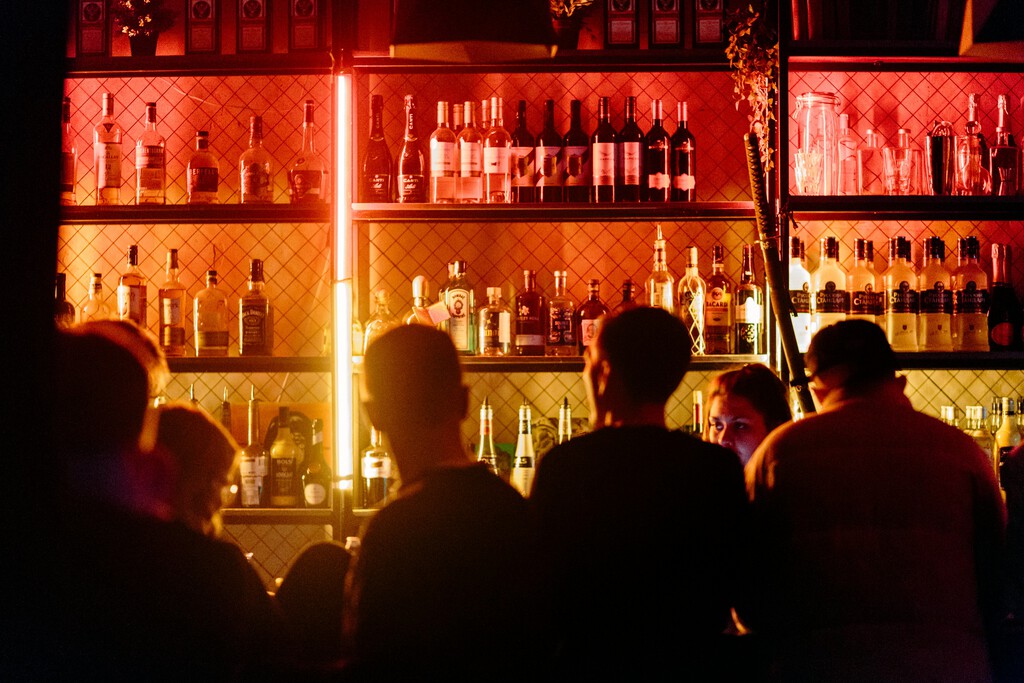
The atmosphere is intentionally quiet and respectful. When a record side begins, conversations hush. Phones stay off the bar top. The experience is communal yet introspective, offering a form of socializing that values listening over talking, and presence over performance.
Why Young People Are Drawn to Listening Bars
At the heart of this trend is a generational shift. Millennials and Gen Z are increasingly choosing sobriety or moderation over heavy drinking. They are also more conscious of their relationship with technology. The listening bar model satisfies both desires: it provides a social space without alcohol pressure and encourages a break from screen time.
Many young adults are tired of the bar scene's emphasis on intoxication and the club's sensory overload. Listening bars offer an alternative that feels sophisticated, intentional, and healthier. They also tap into a broader cultural appetite for experiences that are immersive and analog, from vinyl sales to film photography.
Key Features of the Listening Bar Experience
- High-fidelity sound systems that reveal details in music you might never hear on standard speakers.
- Curated music programs led by knowledgeable DJs or owners, often featuring vinyl records.
- Phone-free social norms that encourage eye contact and real conversation.
- Low-alcohol or alcohol-free drink menus that focus on quality over quantity.
- Intimate, acoustically treated spaces designed for attentive listening rather than dancing.
How Listening Bars Compare to Traditional Nightlife
The contrast with conventional bars and clubs is stark. Below is a comparison of key attributes.
| Feature | Listening Bar | Traditional Bar/Club |
|---|---|---|
| Primary focus | Music appreciation | Drinking and socializing |
| Sound quality | High-fidelity, curated | Variable, often loud |
| Phone use | Discouraged | Common |
| Alcohol emphasis | Low or optional | Central |
| Conversation | Quiet, respectful | Loud, competitive |
The Business Case for Listening Bars
From a business perspective, listening bars represent a smart adaptation to changing consumer preferences. They cater to a growing segment of sober-curious and health-conscious consumers who still want premium social experiences. By focusing on music and ambiance, these venues can differentiate themselves in a crowded market and build loyal communities.
Moreover, the low-alcohol model can be more profitable per square foot when combined with high-margin specialty beverages and ticketed listening events. The concept also aligns with broader trends in experiential hospitality, where customers pay for atmosphere and curation rather than just drinks. The background to this story is set out in Listening to Music vs Listening to the Music: The Grammar Rule Most. A related thread runs through Listening To Music vs The Music: The Grammar Detail Most People Miss. Earlier coverage in Ferran Adrià: Why Socializing Beats Food at Restaurants shows how the argument developed.
What to Watch Next
As listening bars continue to spread, expect to see more cities embrace the format and more established venues incorporate hi-fi elements. The trend may also influence how bars design their spaces, train staff, and program music. For young consumers, it signals a lasting shift toward social experiences that prioritize well-being, connection, and sensory richness. A closer look at the same subject appears in Igor Levit's Resistance Album Review: Essential Listening Today. Anyone following the wider picture can start with The best Black Friday deals on Bluetooth headphones for listening to music while running - Grand Goldman. The same theme surfaces in Community-Maxxing: Gen Z Socializing Trends for Stronger Connections, which takes a different angle.
Ultimately, the listening bar phenomenon is more than a passing fad. It reflects a generation's desire to reclaim their attention and redefine what a good night out looks like—no alcohol required, no phones allowed, just great music and genuine company. Context on how this played out before sits in State School Alumni Starting University: Be Proud of Your Background.
FAQ
What is a listening bar?
What is a listening bar?
A listening bar is a venue where high-quality audio equipment and curated music are the main attraction. Unlike traditional bars, the music is not background noise but the focus, and patrons are expected to listen attentively and keep phones away.
Why are young people attracted to listening bars?
Young people are drawn to listening bars because they offer a sober-friendly, phone-free social experience that emphasizes genuine connection and high-fidelity music. This aligns with growing trends toward moderation and digital detox.
Are listening bars only for audiophiles?
No, while audiophiles appreciate the high-quality sound, listening bars appeal to a broad audience seeking a relaxed, immersive atmosphere. The emphasis is on the overall experience, not technical expertise.
Do listening bars serve alcohol?
Many listening bars offer low-alcohol or alcohol-free drink menus, though some may serve alcohol. The focus is on quality beverages that complement the listening experience rather than encourage heavy drinking.
Browse the Shop
 Acacia frida deluxe solid wood bed frame |
Bedroom bench |
Bed chest drawers |
Lingerie dresser |
Frame base |
Mirror with jewelry storage |
30 Bathroom Vanity |
Memory foam queen mattress |
Mattresses for back pain |
Nightstand set of 2 |
Grand Goldman Shop |
Civil Lawyer
Deutschland Trikot WM 2026







