

The 5,000-year-old tree known as Prometheus was a bristlecone pine that stood on a mountainside in Nevada until a young researcher cut it down in 1964. The tree's age was unknown at the time, and its loss became a cautionary tale in conservation.
Prometheus was a Pinus longaeva, a species that can live for millennia in harsh, high-altitude environments. Unlike the giant sequoias, bristlecone pines are not impressive in size; their value lies in their extreme longevity. Prometheus was one of the oldest known living organisms on Earth.
Find Original Home Decor sparking conversation at Grand Goldman Shop.

What Happened to Prometheus, the 5,000-Year-Old Tree?
In 1964, a graduate student named Donald Currey was conducting research in the Great Basin National Park (then a national forest) in Nevada. He was studying the effects of climate on bristlecone pines and needed tree-ring data. To obtain a core sample from a particularly old-looking tree, his increment borer became stuck. With permission from the authorities, he cut down the tree to retrieve the tool and study its rings.
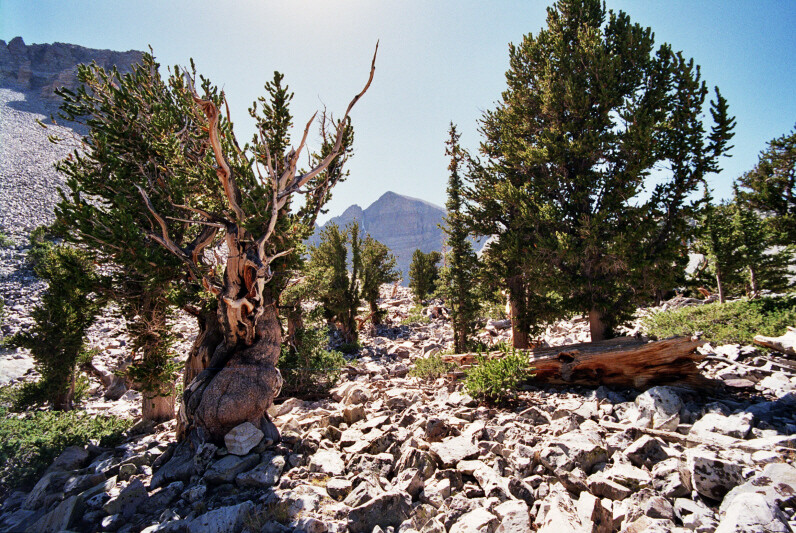
Only after the tree was felled did researchers realize its age. By counting the rings, they determined that Prometheus was approximately 5,000 years old. The tree had been alive since the time of the ancient Egyptians and had witnessed the rise and fall of civilizations. Its accidental destruction sparked outrage and led to changes in how ancient trees are protected.
Why Bristlecone Pines Live So Long
Bristlecone pines (Pinus longaeva) are remarkable for their longevity. They grow slowly, often in isolated stands, which helps them resist fire and disease. Their wood is extremely dense and resinous, making it resistant to rot and insects. Even after death, their wood can remain intact for thousands of years.
The key to their long life lies in their ability to adapt to harsh conditions. They thrive in high-altitude environments with poor soil, where few other plants can survive. Their slow growth means they allocate resources efficiently, and their needles can live for decades, reducing the need for constant regeneration.
What Was Lost with Prometheus?
The loss of Prometheus was significant for several reasons. First, it was one of the oldest known living trees, providing a unique record of climate history. Its rings contained information about thousands of years of environmental changes, which could have been studied in detail.
Second, the tree was a symbol of resilience and longevity. Its accidental destruction highlighted the need for better communication between researchers and authorities, as well as stricter protections for ancient trees. Today, the bristlecone pines in Great Basin National Park are protected, and visitors can still see other ancient trees, though none as old as Prometheus.
Lessons Learned from the Prometheus Incident
The story of Prometheus serves as a reminder of the importance of preserving ancient trees. It also underscores the value of scientific research and the need for careful planning. The incident led to increased awareness about bristlecone pines and their conservation.
- Ancient trees are irreplaceable: Once lost, their unique genetic and historical information is gone forever.
- Communication is key: Researchers and authorities must work together to ensure that scientific studies do not harm valuable specimens.
- Protection policies matter: The incident prompted changes in how ancient trees are managed and protected.
- Public awareness drives conservation: The story of Prometheus has inspired efforts to protect other ancient trees worldwide.
- Climate records are invaluable: Tree rings provide crucial data for understanding past climates and predicting future changes.
Comparison of Ancient Trees
Here's how Prometheus compares to other famous ancient trees:
| Tree | Species | Age (years) | Location | Status |
|---|---|---|---|---|
| Prometheus | Bristlecone pine | ~5,000 | Nevada, USA | Cut down in 1964 |
| Methuselah | Bristlecone pine | ~4,800 | California, USA | Alive (location undisclosed) |
| General Sherman | Giant sequoia | ~2,200 | California, USA | Alive |
| Old Tjikko | Norway spruce | ~9,550 | Sweden | Alive (clonal) |
While Prometheus was not the oldest known tree (some clonal trees are older), it was among the oldest non-clonal trees. Its loss was a stark reminder of the fragility of these ancient organisms.
What to Watch Next for Ancient Tree Conservation
Today, conservationists continue to work to protect ancient trees. Climate change poses a new threat, as rising temperatures and changing precipitation patterns can stress these trees. Researchers are studying how bristlecone pines might adapt and whether they can migrate to cooler areas. The background to this story is set out in Lake Tahoe Pine Trees Poisoned: Nevada Investigation Update. A related thread runs through Pine Twig Torches Lit the Way for 14,400-Year-Old Cave Explorers. Earlier coverage in Neville Fay: Tree Aid Founder and Ancient Tree Expert Dies at 78 shows how the argument developed.
Visitors to Great Basin National Park can see bristlecone pines on the Wheeler Peak Scenic Drive and the Bristlecone Pine Trail. The park offers educational programs about these trees and their significance. It's important to stay on marked trails to avoid damaging the shallow root systems of these slow-growing trees. A closer look at the same subject appears in England's Ancient Oak Trees Dying from Extreme Heat and Drought. Anyone following the wider picture can start with Young Conservative vs Left-Wing Researcher: A Dinner Debate. The same theme surfaces in Trending: latest articles, which takes a different angle.
The story of Prometheus also highlights the importance of ethical field research. Scientists now use non-destructive methods, such as increment borers that extract small cores without harming the tree, to study tree rings. When destructive sampling is necessary, it is done with extreme caution and only after thorough assessment. Context on how this played out before sits in Lost Link to Egypt's Great Pyramids Found in 5,000-Year-Old Tombs. A companion piece, The 5,000-Year-Old Tree a Researcher Cut Down by Mistake, approaches the same subject from another angle.
FAQ
What is the oldest tree in the world?
The oldest known individual tree is a bristlecone pine named Methuselah, estimated to be around 4,800 years old. However, clonal trees like Old Tjikko, a Norway spruce, are estimated to be over 9,500 years old, though the visible tree is younger.
Why was Prometheus cut down?
A researcher accidentally cut down Prometheus in 1964 while trying to retrieve a stuck increment borer. He had permission to cut the tree, but its age was unknown at the time.
How old was Prometheus when it was cut down?
Prometheus was approximately 5,000 years old when it was cut down, making it one of the oldest known living trees at the time.
What is being done to protect ancient trees today?
Many ancient trees are now protected within national parks and monuments. Researchers use non-destructive methods to study them, and public education programs aim to raise awareness about their importance.
Browse the Shop
 Acacia frida deluxe solid wood bed frame |
Bedroom bench |
Bed chest drawers |
Lingerie dresser |
Frame base |
Mirror with jewelry storage |
30 Bathroom Vanity |
Memory foam queen mattress |
Mattresses for back pain |
Nightstand set of 2 |
Grand Goldman Shop |
Civil Lawyer
Deutschland Trikot WM 2026







