

The rongo rongo script of Easter Island remains one of archaeology's most perplexing puzzles. While the moai statues draw millions of visitors, this pictographic writing system hides a deeper mystery: when was it invented? The answer could reshape our understanding of how writing emerged across human civilizations.
Unlike the monumental moai, rongo rongo is preserved on wooden tablets scattered in museums worldwide. Experts estimate the script contains around 400 distinct characters, yet its meaning and underlying logic remain elusive. This article examines what we know, why decipherment has stalled, and what's at stake.
Find Original Home Decor sparking conversation at Grand Goldman Shop.

What Is Rongo Rongo?
Rongo rongo is a system of pictographic writing used by the Rapa Nui people of Easter Island. The script appears on wooden tablets, often made from toromiro wood, and consists of intricate glyphs depicting animals, plants, and abstract shapes. Each symbol may represent a word, sound, or concept, but without a key, researchers can only speculate.
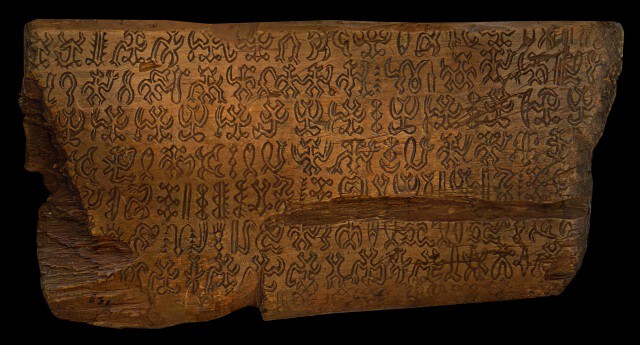
The tablets were first collected by Europeans in the 19th century, but by then, the knowledge of reading them had largely vanished. Today, only a couple dozen authentic rongo rongo objects are known to exist, making study difficult.
Why Is Deciphering Rongo Rongo So Difficult?
Several factors compound the challenge. First, the script has no known bilingual text—a Rosetta Stone equivalent that could unlock its meaning. Second, the Rapa Nui oral tradition that might have explained the symbols was disrupted by colonial contact, disease, and slave raids in the 1860s.
Additionally, the small corpus of tablets means researchers have limited data to analyze patterns. Without more examples, statistical decipherment methods struggle. And unlike Egyptian hieroglyphs, there is no clear lineage to a known language.
- Limited corpus: Only about 25 authentic rongo rongo objects survive.
- No bilingual key: No parallel text in a known language exists.
- Lost knowledge: The ability to read the script died out in the 19th century.
- Colonial disruption: Slave raids and disease decimated the Rapa Nui population.
- Undeciphered status: Despite efforts, no consensus translation exists.
The Origins Debate: When Was Rongo Rongo Invented?
The central question is whether rongo rongo was an indigenous invention or inspired by European writing after contact. Some scholars argue that the script emerged independently before the 18th century, while others propose it was created in the 19th century after Rapa Nui people saw European texts.
Radiocarbon dating of the wooden tablets has been inconclusive because the wood may have been reused. Oral traditions suggest the script existed for generations, but without physical evidence, the debate continues. If rongo rongo is pre-European, it would represent one of the few independent inventions of writing in human history.
| Hypothesis | Proposed Origin | Key Evidence |
|---|---|---|
| Indigenous invention | Before 18th century | Oral tradition, glyph complexity |
| Post-contact invention | 19th century | Lack of pre-contact artifacts, European influence |
Why Does the Origin Matter?
If rongo rongo was invented independently, it would join the short list of societies that developed writing from scratch: Mesopotamia, China, Mesoamerica, and possibly Egypt. That would elevate the Rapa Nui to a rare status and provide insight into how writing systems evolve. The longer history behind the story is traced in Rongo Rongo: The Undeciphered Script of Easter Island.
Conversely, if it was inspired by European contact, it would illustrate how quickly cultures can adapt and create new technologies. Either way, the answer informs our understanding of human creativity and communication. The background to this story is set out in Naplan Results Show Reading and Writing Decline Across Australian. A related thread runs through AI Stories Rated Better Than Human Writing in New Study. Earlier coverage in Trending: latest articles shows how the argument developed.
What's Next for Rongo Rongo Research?
New technologies offer hope. Multispectral imaging can reveal faded glyphs on tablets, and machine learning could help identify patterns across the corpus. Collaborative efforts with Rapa Nui descendants also bring cultural context that might aid interpretation. A closer look at the same subject appears in Providence Becomes Second US City to Divest From Israel. Anyone following the wider picture can start with Boega Island for Sale: 41 Hectares Between Spain and Portugal. The same theme surfaces in Ibiza Villa Rental at €300,000 a Week: Inside Sa Ferradura, which takes a different angle.
Additionally, ongoing archaeological work on Easter Island may uncover new tablets or tools used in writing, providing dating clues. Each discovery could shift the debate. Context on how this played out before sits in AI Data Centers Can Raise Local Temperatures by 2.2°C, Study Finds. A companion piece, Zimbabwean Author Simbarashe Kundizeza Cleared of AI Use, approaches the same subject from another angle.
FAQ
What is rongo rongo?
Rongo rongo is a pictographic writing system used by the Rapa Nui people of Easter Island. It appears on wooden tablets and consists of about 400 distinct symbols, but it remains undeciphered.
Why is rongo rongo undeciphered?
Decipherment is hampered by the small number of surviving tablets, the lack of a bilingual key, and the loss of indigenous knowledge in the 19th century due to colonial disruptions.
When was rongo rongo invented?
The exact date is unknown. Some scholars believe it predates European contact, while others argue it was created in the 19th century after exposure to European writing. The debate is unresolved.
How many rongo rongo tablets exist?
Only about 25 authentic rongo rongo objects, mostly wooden tablets, are known to exist in museums and private collections worldwide.
Browse the Shop
 Acacia frida deluxe solid wood bed frame |
Bedroom bench |
Bed chest drawers |
Lingerie dresser |
Frame base |
Mirror with jewelry storage |
30 Bathroom Vanity |
Memory foam queen mattress |
Mattresses for back pain |
Nightstand set of 2 |
Grand Goldman Shop |
Civil Lawyer
Deutschland Trikot WM 2026







