

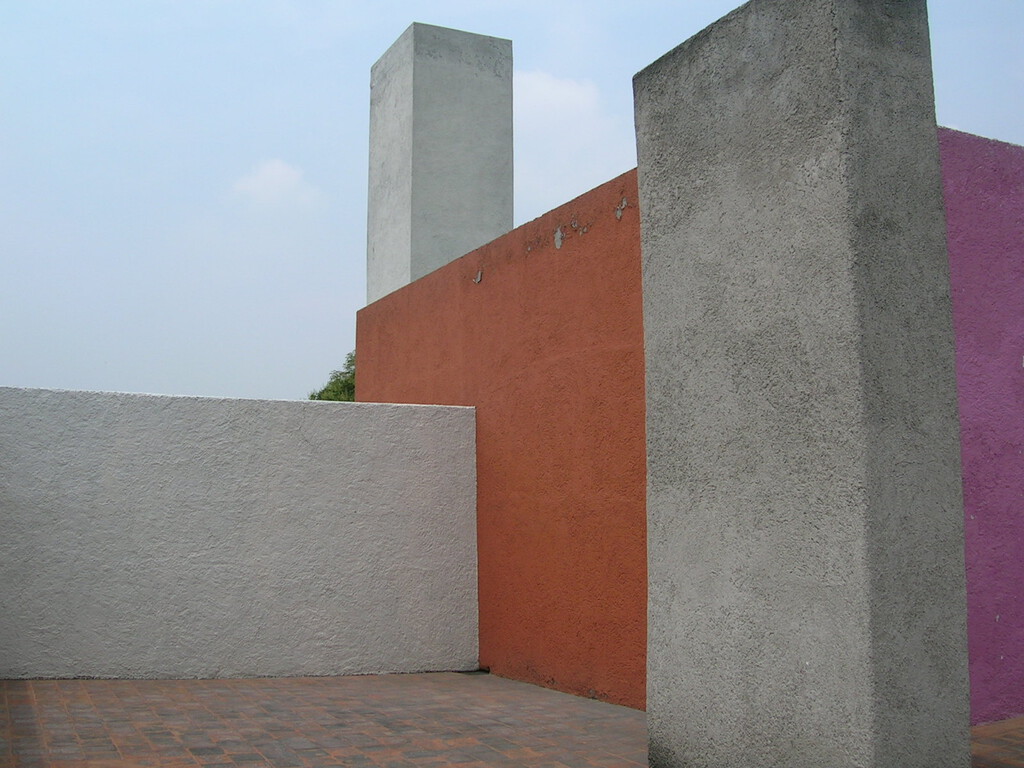
Luis Barragán's colorful architecture offers a passive cooling solution that challenges the dominance of air conditioning. In the 1970s, the oil crisis forced many to reconsider energy-intensive cooling, and Barragán's designs, developed decades earlier in Mexico City, show how color and light can alter the perception of temperature.
His work, with vibrant pink, yellow, and blue walls and deep shadows, anticipated what neuroarchitecture now confirms: our surroundings shape how we feel physically. While not lowering air temperature, these elements can make spaces feel cooler.
Find Original Home Decor sparking conversation at Grand Goldman Shop.

Who Was Luis Barragán?
Luis Barragán (1902–1988) was a Mexican architect known for his mastery of color, light, and form. His buildings, often featuring bold geometric shapes and saturated hues, create serene refuges from the outside world. Barragán believed architecture should evoke tranquility and refuge, a philosophy that resonates today.
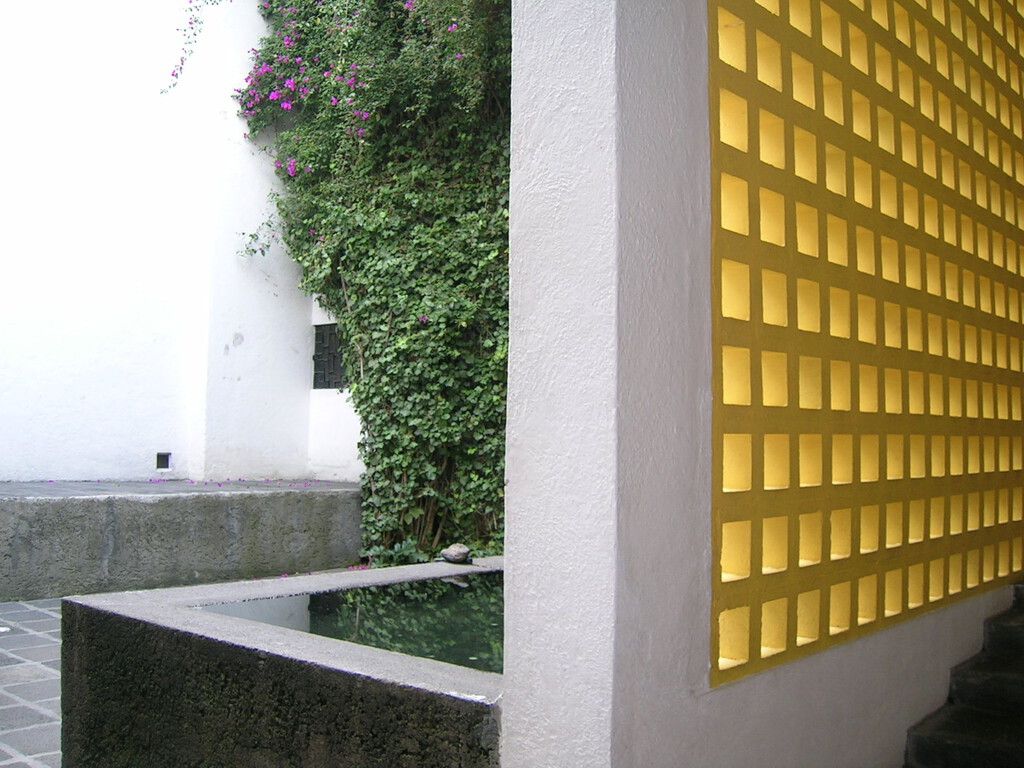
His own home in Mexico City, now a UNESCO World Heritage site, exemplifies his approach. Thick walls, courtyards, and carefully placed windows manage heat and light, while colors like pink and yellow add warmth or coolness depending on the space.
The Science of Color and Temperature Perception
Neuroarchitecture studies how the built environment affects the brain and body. Research suggests that colors can influence thermal comfort. Warm colors like red and orange may make people feel warmer, while cool colors like blue and green can have a cooling effect.
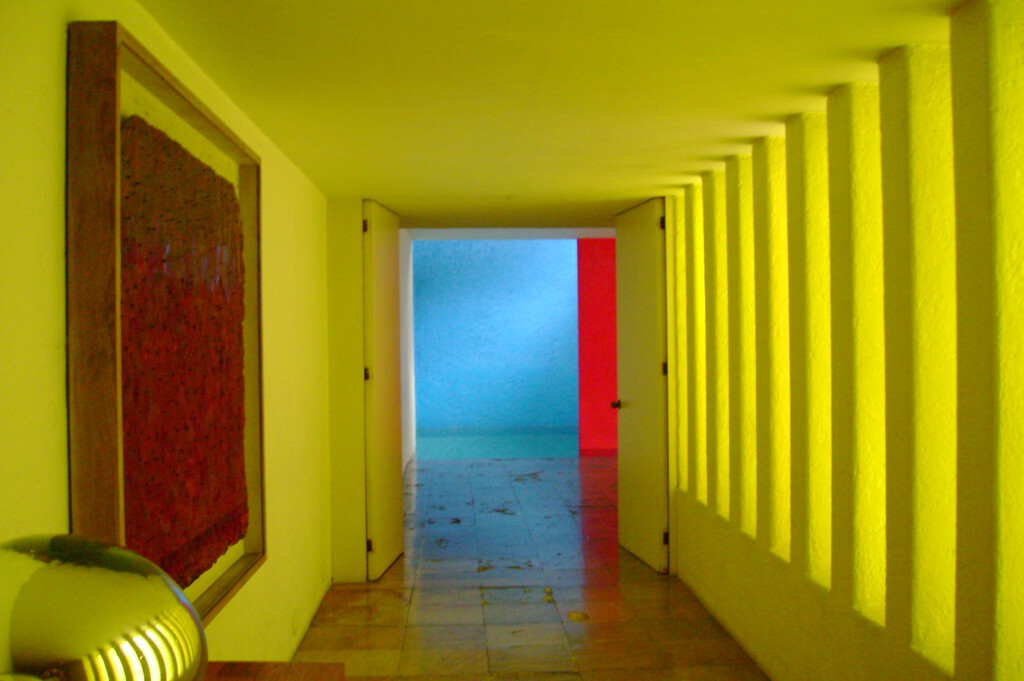
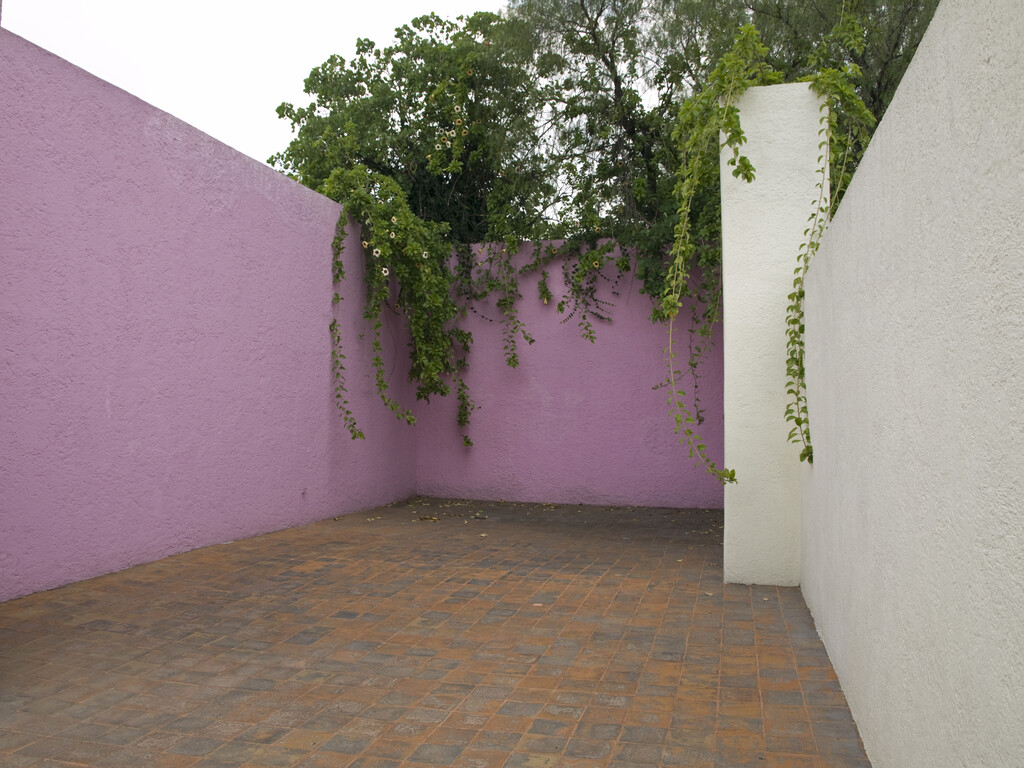
Barragán used color deliberately. In his designs, pink walls might create a sense of warmth in cooler areas, while blue or green surfaces could cool sun-drenched spaces. This psychological cooling complements passive design strategies like shading and ventilation.
Barragán's Passive Cooling Techniques
Beyond color, Barragán employed traditional passive cooling methods: thick walls for thermal mass, cross-ventilation, and shaded courtyards. These elements reduce heat gain and promote airflow, minimizing the need for mechanical cooling.
His architecture shows that comfort doesn't require energy-intensive systems. By combining material, color, and layout, Barragán created homes that feel cool naturally.
Why This Matters Today
As energy costs rise and climate concerns grow, passive cooling strategies are gaining attention. Air conditioning accounts for a significant portion of household energy use, and many are seeking alternatives. Barragán's work offers a blueprint for reducing reliance on AC while enhancing well-being.
Modern architects and homeowners can learn from his integrated approach. Simple changes—like choosing cool colors for sunny rooms or adding shading—can improve comfort without high energy bills.
- Color psychology: Cool colors can make spaces feel cooler.
- Thermal mass: Thick walls stabilize indoor temperatures.
- Natural ventilation: Cross-breezes reduce heat buildup.
- Shading: Courtyards and overhangs block direct sun.
- Serenity: Design that calms the mind enhances comfort.
Comparing Passive Cooling vs. Air Conditioning
While air conditioning quickly lowers air temperature, passive cooling addresses the root causes of heat. The table below highlights key differences. The background to this story is set out in Hassan Fathy's Passive Cooling: A Solution for Hot Homes. A related thread runs through Ancient Persian Cooling: 2,500-Year-Old Passive Cooling Beats AC.
| Aspect | Passive Cooling (Barragán style) | Air Conditioning |
|---|---|---|
| Energy use | Low to none | High |
| Initial cost | Moderate (design integration) | Moderate to high |
| Operating cost | Minimal | Significant |
| Environmental impact | Low | High (refrigerants, emissions) |
| Comfort | Perceived cooling, stable temps | Rapid cooling, but can be uneven |
How to Apply Barragán's Principles at Home
You don't need a Barragán-designed house to benefit. Start by assessing your home's sun exposure and choosing cool colors for hot rooms. Add shading with awnings or trees, and improve ventilation by opening windows strategically. Earlier coverage in Bioclimatic Architecture: Let Nature Design Your Home shows how the argument developed. A closer look at the same subject appears in Trending: latest articles.
For renovations, consider thermal mass materials like concrete or adobe. Even small changes can reduce AC dependence and create a more serene living environment. Anyone following the wider picture can start with Whitewashing Walls: The Forgotten Summer Cooling Secret. The same theme surfaces in Best Evaporative Air Coolers: Buying Guide and Top Models from 75 Euros, which takes a different angle.
FAQ
Did Luis Barragán use air conditioning?
Barragán's designs prioritized passive cooling, though some modern buildings may have AC. His philosophy focused on natural comfort through color, light, and materials.
Can color really make a room feel cooler?
Yes, studies in neuroarchitecture indicate that cool colors like blue and green can lower perceived temperature, enhancing thermal comfort without energy use.
What is neuroarchitecture?
Neuroarchitecture explores how the built environment affects the brain and body, including how design elements like color and light influence our perception and well-being.
Is passive cooling effective in hot climates?
Yes, when combined with proper shading, ventilation, and thermal mass, passive cooling can significantly reduce indoor temperatures and improve comfort in hot climates.
Browse the Shop
 Acacia frida deluxe solid wood bed frame |
Bedroom bench |
Bed chest drawers |
Lingerie dresser |
Frame base |
Mirror with jewelry storage |
30 Bathroom Vanity |
Memory foam queen mattress |
Mattresses for back pain |
Nightstand set of 2 |
Grand Goldman Shop |
Civil Lawyer
Deutschland Trikot WM 2026







