

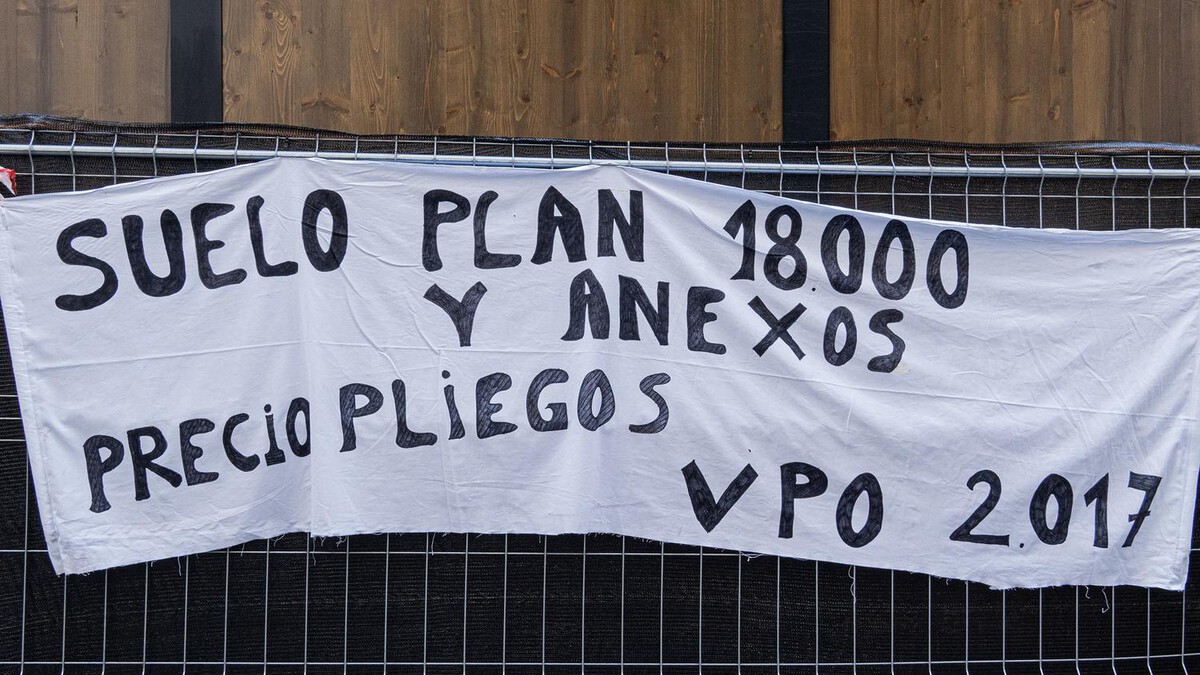
The Plan 18,000 is a Madrid housing program that allowed thousands of families to buy homes through cooperatives, but after 30 years, many still do not own the land beneath their properties. This legal limbo affects over 10,000 titleholders and has spent three decades winding through municipal plazas and courts.
Now, as Madrid's housing crisis intensifies, the program's unresolved legacy is forcing a reckoning over who truly owns these homes.
Find Original Home Decor sparking conversation at Grand Goldman Shop.

What Is Plan 18,000 and Why Does It Matter?
Between 1984 and 1997, the Madrid City Council granted land to housing cooperatives under a surface rights arrangement lasting 75 years. The program, officially called Plan 18,000, aimed to provide affordable housing for low- and middle-income families. According to the council, it encompassed 8,559 protected homes, 2,107 garages and commercial spaces, and 108 plots, with more than 10,000 titleholders.
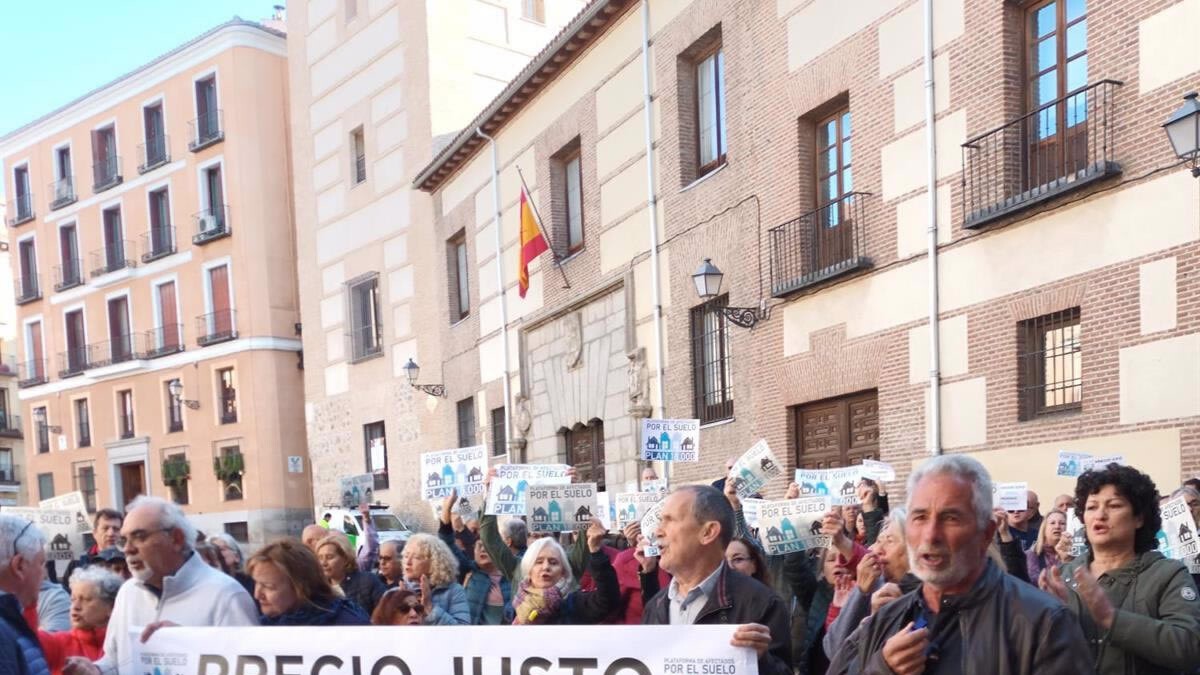
The key catch: buyers, known as superficiarios, own only the buildings they constructed, not the ground underneath. The land remains municipal property, creating a split ownership model that has confounded residents for decades.
How the Land Lease Was Supposed to Work
The original design included three income-based tiers, measured as multiples of the minimum wage. For the lowest-income households, the land was ceded free of charge. For higher-income groups, it was sold at a regulated price. The council argues that free land transfer was the most fitting formula for those with limited means.
Yet the program's structure left cooperatives responsible for construction while the city retained underlying ownership. As 30-year protection periods expire, families face a harsh reality: their homes may not be fully theirs to sell or pass on without resolving the land question.
Why the 30-Year Mark Is a Turning Point
Many Plan 18,000 homes were built with a 30-year period of official protection, after which price controls were supposed to lift. But because the land is still owned by the city, the transition to full ownership is anything but straightforward. Families who dutifully paid mortgages for decades now find themselves unable to capitalize on their investment. The longer history behind the story is traced in Madrid's Plan 18,000: Homeowners Without Land Title for 30 Years.
The issue has resurfaced amid a broader housing debate in Madrid. The Sol encampment began on September 26, and on October 8 the Plenary approved plans for 18,400 additional protected homes with votes from PP and Vox. This political momentum makes the Plan 18,000's unresolved details more urgent than ever. The background to this story is set out in Spain Housing Crisis: Tens of Thousands Protest in Madrid. A related thread runs through Madrid Tenants Fight Landlords with Art in Housing Crisis. Earlier coverage in Andrew Mountbatten-Windsor Gets £302,000 for Royal Lodge Lease shows how the argument developed.
Key Challenges Facing Plan 18,000 Homeowners
- Split ownership: Residents own structures but not the land, complicating sales and inheritance.
- Expiring protections: The 30-year protection period ends, but land ownership remains with the city.
- Legal ambiguity: Decades of pliegos, plenos, and tribunals have yet to produce a clear resolution.
- Political pressure: New housing initiatives highlight the need to fix old programs.
- Financial uncertainty: Families cannot fully leverage their property as collateral or assets.
What Happens Next for These Families?
The path forward likely involves negotiations between the city council and cooperatives to transfer land ownership, possibly through sales at regulated prices or new lease terms. However, no definitive solution has emerged, and the issue remains a hot potato in Madrid's polarized housing politics. A closer look at the same subject appears in EV Charger in Community Garage: Your Rights Under Property Law. Anyone following the wider picture can start with Andrew Bragg's 180,000 Migration Cap Plan for Australia. The same theme surfaces in Trending: latest articles, which takes a different angle.
As the city pushes to expand protected housing, the Plan 18,000 serves as a cautionary tale about the devil in the details. For the thousands of affected families, the wait continues. Context on how this played out before sits in Falling House Prices: Young Homeowners Welcome Affordability Shift. A companion piece, Wildfires Near Madrid: Homeowners Return to Devastation and, approaches the same subject from another angle.
Comparing Plan 18,000 with Other Housing Models
| Aspect | Plan 18,000 | Standard Homeownership | Rental Housing |
|---|---|---|---|
| Land ownership | City retains land | Owner holds both land and structure | Landlord holds both |
| Duration | 75-year surface right | Perpetual | Lease term |
| Resale flexibility | Restricted | Full | None |
| Initial cost | Lower (land free or reduced) | Full market price | Monthly rent |
FAQ
What is a superficiario in Plan 18,000?
A superficiario is a homeowner who owns the building constructed on city land but not the land itself. This arrangement stems from the surface rights granted to cooperatives.
Why did the city give land for free?
The city aimed to make housing affordable for low-income families. Free land transfer was considered the most suitable formula for those with limited resources.
Can Plan 18,000 homeowners sell their properties?
They can sell the structure, but the land lease and its conditions complicate transactions. Buyers may face the same ownership limitations.
What is the current status of the Plan 18,000 dispute?
The issue remains unresolved, with ongoing legal and political debates. Recent housing initiatives have brought renewed attention to the program's flaws.
Browse the Shop
 Acacia frida deluxe solid wood bed frame |
Bedroom bench |
Bed chest drawers |
Lingerie dresser |
Frame base |
Mirror with jewelry storage |
30 Bathroom Vanity |
Memory foam queen mattress |
Mattresses for back pain |
Nightstand set of 2 |
Grand Goldman Shop |
Civil Lawyer
Deutschland Trikot WM 2026







