

In 1989, architect Antonio Lamela conceived the most daring skyscraper in Madrid: the Torres Colón, two towers that would be built "upside down." This innovative approach, known as suspended architecture, allowed the towers to rise despite a small, irregular plot of land. The Torres Colón stand as a testament to architectural ingenuity and Madrid's evolving skyline.
The Challenge: A Small Plot with Big Demands
The site for the Torres Colón was a mere 1,710 square meters—far too small for a conventional skyscraper with the required parking spaces. Madrid's municipal regulations mandated a significant number of parking spots, which would typically consume valuable underground space. Lamela's solution was radical: build the towers from the top down, suspending each floor from a central core. This method minimized the foundation's footprint and maximized usable space.
Find Original Home Decor sparking conversation at Grand Goldman Shop.

How Suspended Architecture Works
In a suspended design, the floors hang from a central reinforced concrete core rather than resting on the floors below. The core acts as the backbone, supporting the entire structure. This allows for open, column-free interior spaces and flexible floor plans. The Torres Colón consist of 23 above-ground floors and six underground levels, all suspended from the core. This engineering feat was unprecedented in Spain and remains a landmark in architectural history.
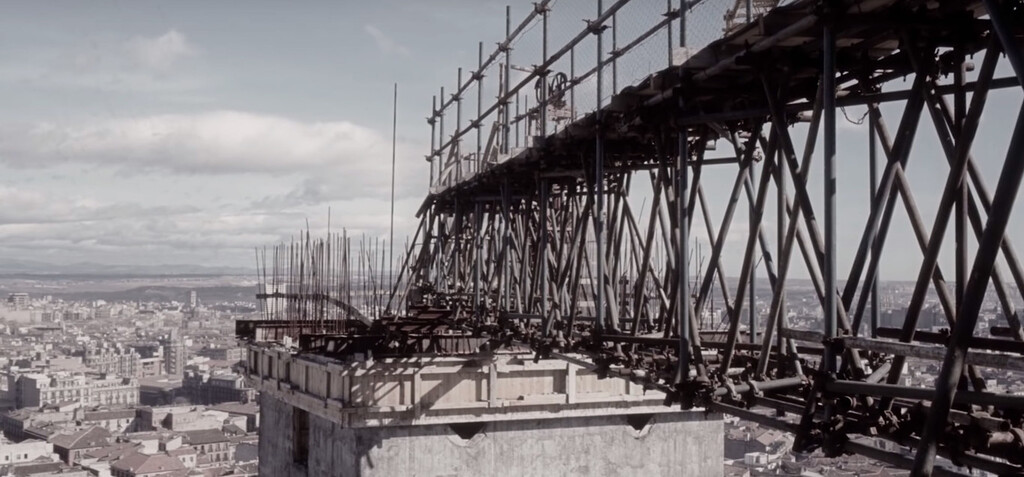
Construction from the Top Down
Building from the top down meant that the upper floors were constructed first, suspended from the core, and then subsequent floors were added below. This required precise engineering and sequencing. The core was built first, and then the roof structure was assembled. From there, each floor was lowered into place and attached to the core. This method eliminated the need for extensive scaffolding and allowed construction to proceed in a constrained urban environment.
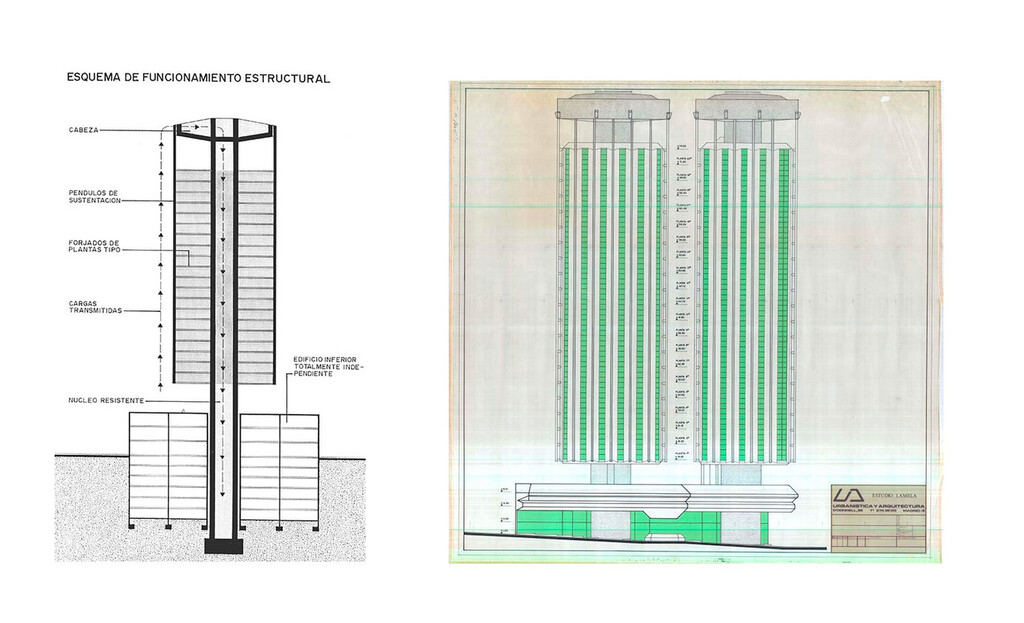
Design and Aesthetics
The Torres Colón feature a sleek, modern facade with glass and steel, reflecting the contemporary spirit of Madrid in the late 1980s. The twin towers are connected by a glass atrium, creating a unified complex. The suspended design gives the towers a floating appearance, as if they are defying gravity. This aesthetic choice was not just about looks; it also provided practical benefits such as natural light and open views.
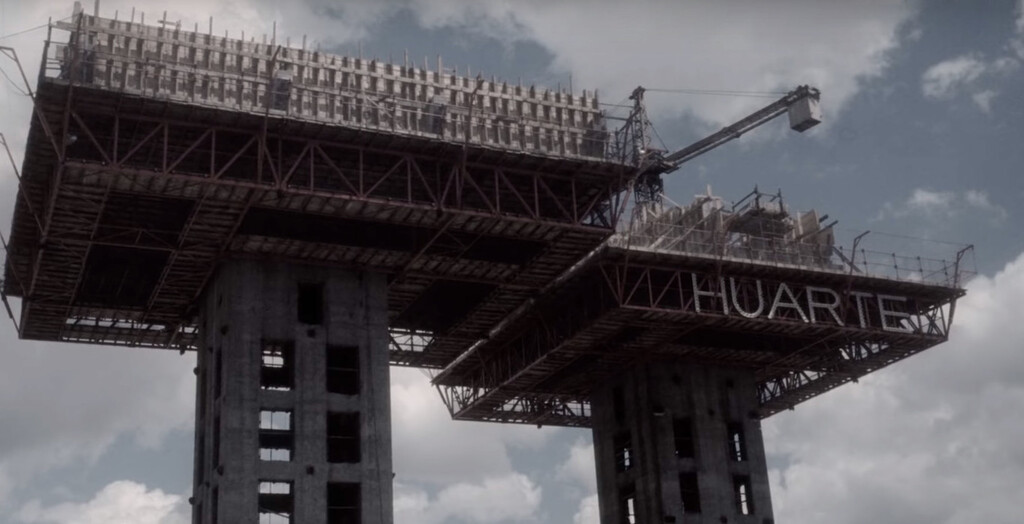
Impact on Madrid's Skyline and Beyond
The Torres Colón quickly became an iconic part of Madrid's skyline, symbolizing innovation and bold design. They paved the way for other experimental architectures in the city and inspired a generation of engineers and architects. Today, the towers house offices and commercial spaces, remaining a functional and admired part of the city. Their story is a reminder that constraints can spark creativity. The background to this story is set out in Madrid's Torres Colón: The Upside-Down Skyscraper That Defied Gravity.
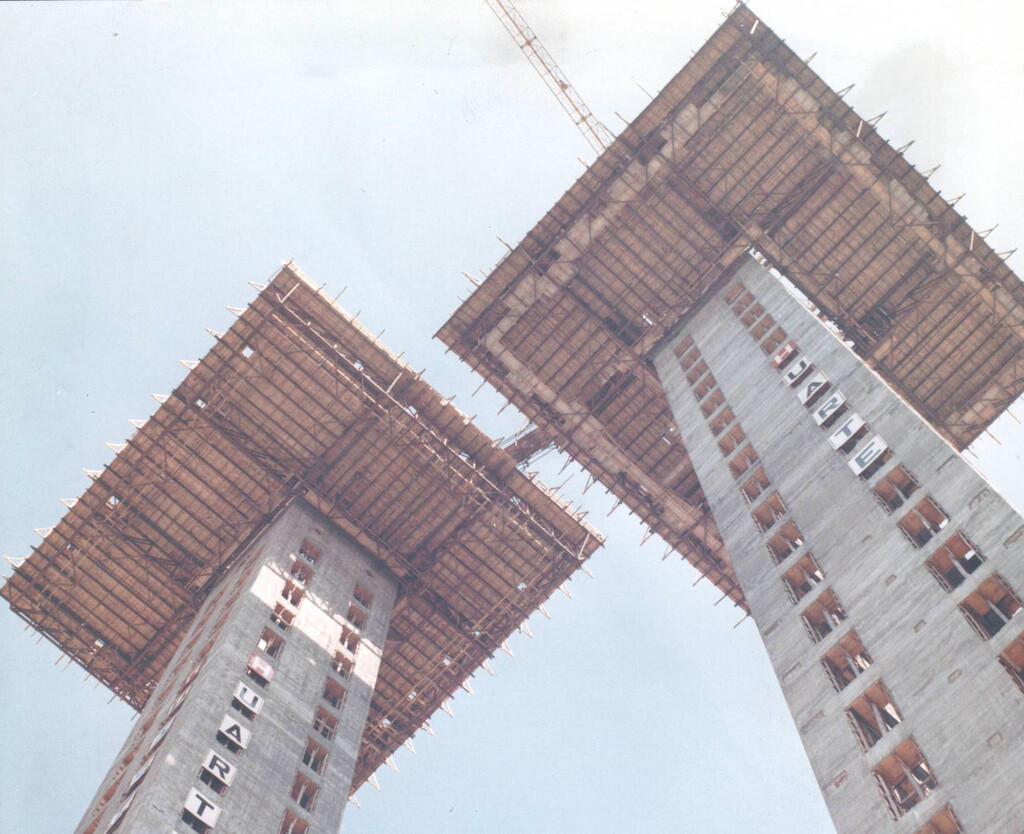
- Innovative construction: Built from the top down due to space limitations.
- Suspended architecture: Floors hang from a central core, eliminating the need for supporting columns.
- Small footprint: The design maximized parking and usable space on a tiny plot.
- Architectural icon: The Torres Colón are a symbol of Madrid's modernity and engineering prowess.
- Global influence: The project inspired similar suspended structures worldwide.
Comparison with Other Skyscrapers
| Building | Height | Construction Method | Notable Feature |
|---|---|---|---|
| Torres Colón (Madrid) | 23 floors | Suspended, top-down | Floors hang from central core |
| Empire State Building (New York) | 102 floors | Steel frame, bottom-up | Art Deco icon |
| Burj Khalifa (Dubai) | 163 floors | Reinforced concrete, bottom-up | World's tallest building |
| Torre Glòries (Barcelona) | 34 floors | Concrete core, bottom-up | Bullet-shaped design |
FAQ
Why were the Torres Colón built upside down?
The plot was too small for a conventional skyscraper with the required parking. Building from the top down allowed the foundation to occupy less space while still meeting regulations.
Who designed the Torres Colón?
The Torres Colón were designed by Spanish architect Antonio Lamela, who was known for his innovative approach to architecture. He passed away in 2017.
Can the Torres Colón be visited?
The towers are primarily office buildings and are not generally open to the public. However, they can be admired from the outside and are a notable part of Madrid's architectural landscape.
What is suspended architecture?
Suspended architecture is a design method where floors hang from a central core rather than resting on the ground or lower floors. This allows for open interior spaces and can be used in constrained sites.
The Torres Colón are a prime example of how architectural constraints can lead to groundbreaking solutions. Their story is part of Madrid's rich architectural heritage, which continues to attract attention from around the world. As Madrid evolves, projects like this remind us of the power of innovation. For those interested in how the city attracts global attention, Madrid's appeal to millionaires and Latin American wealth is a fascinating topic. The city's ability to blend historic charm with modern marvels like the Torres Colón is part of what makes it so attractive. This blend of old and new is a recurring theme in Madrid's development, as seen in the influx of Latin American wealth into Madrid. Such investment often fuels architectural innovation and urban renewal. The Torres Colón themselves were a product of their time, but their legacy lives on. In recent years, Madrid has seen a surge in luxury real estate, driven by wealthy Latin Americans choosing Madrid as their home. This trend has led to new developments and renovations across the city. The Torres Colón, with their unique design, remain a symbol of Madrid's willingness to embrace bold ideas. As you explore Madrid's architecture, consider how the city's magnetic pull for global elites shapes its skyline. The story of the Torres Colón is just one chapter in Madrid's ongoing architectural narrative. For a deeper look at how Madrid became a magnet for millionaires, the article provides valuable insights. Ultimately, the Torres Colón remind us that innovation often arises from necessity, and that Madrid is a city that embraces such innovation.
Browse the Shop
 Acacia frida deluxe solid wood bed frame |
Bedroom bench |
Bed chest drawers |
Lingerie dresser |
Frame base |
Mirror with jewelry storage |
30 Bathroom Vanity |
Memory foam queen mattress |
Mattresses for back pain |
Nightstand set of 2 |
Grand Goldman Shop |
Civil Lawyer
Deutschland Trikot WM 2026







