

The octopus invasion of UK waters is a startling marine phenomenon: common octopuses are appearing in record numbers along the coasts of southwestern England, Wales, and even Scotland. This population explosion, the largest in at least 75 years, has scientists scrambling to understand the causes and implications.
For decades, spotting a common octopus in these waters was a rare event, even for experienced divers. Now, these intelligent cephalopods are colonizing extensive areas, from Devon and Cornwall to Dorset, Sussex, and beyond. What began as a few unusual sightings has become a full-blown invasion.
Find Original Home Decor sparking conversation at Grand Goldman Shop.

Why Are Octopuses Suddenly Thriving in UK Waters?
Scientists believe a combination of factors has created the perfect storm for octopus proliferation. Juvenile octopuses likely arrived from breeding grounds around the English Channel and northern France, but the key driver is the warming of UK seas.
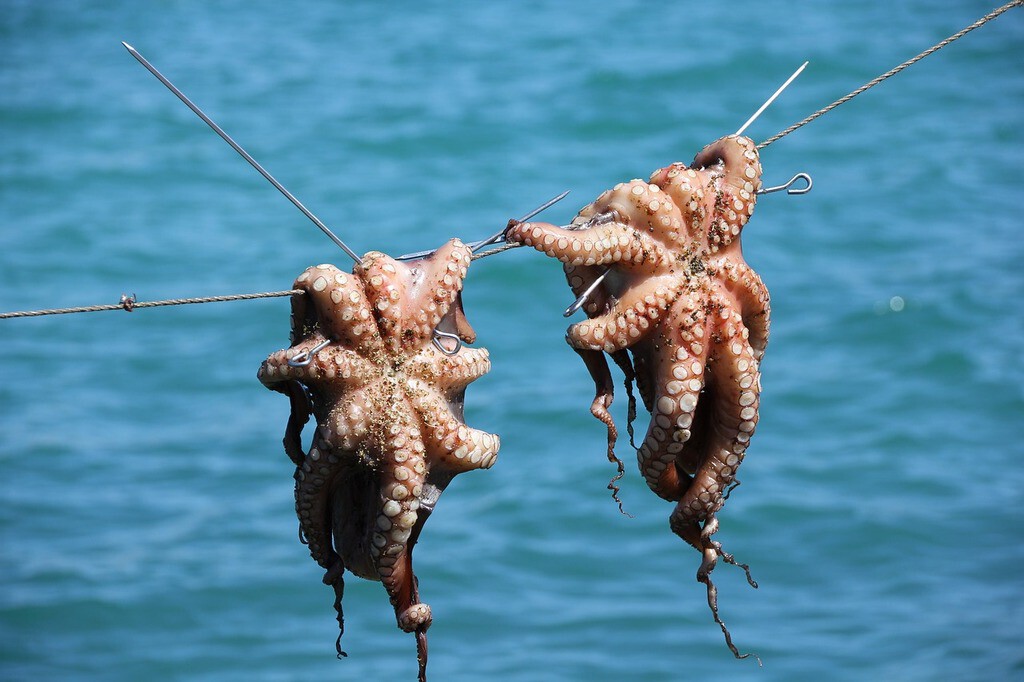
Climate change has raised water temperatures, making British coastal waters more hospitable for these typically warm-water animals. Additionally, overfishing may have reduced predator populations and increased prey availability, giving octopuses a competitive edge.
The Role of Climate Change
Rising sea temperatures have extended the suitable habitat for octopuses northward. Species that were once confined to warmer southern waters can now survive and reproduce in areas that were previously too cold. This range expansion is a clear signal of ecosystem shifts driven by climate change.
The common octopus (Octopus vulgaris) is highly adaptable, but its move into UK waters indicates significant environmental changes. As waters continue to warm, we can expect further invasions by other warm-water species.
Where Are the Octopuses Spreading?
The invasion is most concentrated along the southwestern coast of England, but sightings have been reported as far north as Scotland. Key hotspots include:
- Devon and Cornwall: The epicenter of the invasion, with numerous sightings and confirmed population growth.
- Wales: Coastal areas are seeing increased octopus presence.
- Dorset and Sussex: Reports are rising along the southern coast.
- Scotland: Even northern waters are not immune, though numbers are lower.
This rapid spread suggests that octopuses are finding suitable conditions and abundant food across a wide range. Their ability to adapt and exploit new environments is remarkable.
What Does This Mean for the Marine Ecosystem?
The arrival of a new top predator can have cascading effects on the food web. Octopuses are intelligent and voracious hunters, preying on crabs, lobsters, and shellfish. An increase in octopus numbers could pressure these populations, potentially impacting local fisheries.
However, octopuses also serve as prey for seals, dolphins, and larger fish, so they may become an important food source for these predators. The long-term ecological balance is uncertain, and scientists are monitoring the situation closely.
Impact on Fisheries
Fishermen have reported octopuses stealing catch from traps and pots, causing economic losses. Some see the invasion as a curse, while others view it as a potential new fishery. The challenge will be managing this change sustainably.
How Intelligent Are These Invaders?
Common octopuses are among the most intelligent invertebrates, known for problem-solving, tool use, and complex behaviors. Their ability to learn and adapt may give them an advantage in new environments.
Divers have observed octopuses opening jars, escaping enclosures, and even recognizing individual humans. This intelligence likely contributes to their success as invaders, allowing them to exploit new food sources and avoid predators. The longer history behind the story is traced in Octopus Invasion: Why UK Waters Are Seeing a Population Boom.
What Should We Watch Next?
Researchers are tracking the octopus population to understand whether this boom is temporary or a permanent shift. Key questions include: Will the population crash when conditions change? How will native species respond? And what does this mean for biodiversity? The background to this story is set out in UK Sees Unprecedented Octopus Invasion: 12,000 Tons Caught. A related thread runs through Trending: latest articles. Earlier coverage in Spain's Demographic Shift: 35 Years of Migration in One Chart shows how the argument developed.
The octopus invasion is a reminder that marine ecosystems are dynamic and responsive to human impacts. It also highlights the importance of monitoring and adapting to change. A closer look at the same subject appears in Spain's North Faces Heat Waves and a Surge in Air Conditioning Demand. Anyone following the wider picture can start with Europe's Air Conditioning Divide: Which Homes Have AC and Which Don't. The same theme surfaces in Marine Heatwave: Mediterranean Sea Overheats in June, which takes a different angle.
Comparison of Octopus Sightings by Region
| Region | Frequency of Sightings | Year First Noted |
|---|---|---|
| Devon & Cornwall | Very High | 2018 |
| Wales | High | 2019 |
| Dorset | Moderate | 2020 |
| Sussex | Moderate | 2020 |
| Scotland | Low | 2021 |
This table illustrates the spread of octopus sightings over time, with the southwest leading the invasion. Context on how this played out before sits in Octopus Carries Coconut Shells for Shelter, Stuns Scientists. A companion piece, Blue Crab Invades Mediterranean: Octopus Emerges as New Predator, approaches the same subject from another angle.
FAQ
Is the octopus invasion dangerous to humans?
Common octopuses are not aggressive toward humans and are generally harmless. However, they can bite if provoked, and their bite may cause minor irritation. Divers should observe them from a respectful distance.
Why are octopuses moving to UK waters?
Warming seas due to climate change have made UK waters more suitable for octopuses. Additionally, overfishing may have reduced predators and increased prey, creating an ideal environment for population growth.
Will the octopus population continue to grow?
It's uncertain. Octopus populations can fluctuate dramatically based on environmental conditions and food availability. Scientists are monitoring to see if this boom is sustainable or a temporary anomaly.
What should I do if I see an octopus in UK waters?
If you encounter an octopus while diving or snorkeling, observe it without touching or disturbing it. Report your sighting to local marine conservation groups to help track the invasion.
The octopus invasion is a fascinating case of marine life adapting to changing conditions. As our oceans warm, we can expect more such surprises. Staying informed and supporting research is crucial for understanding and managing these shifts.
Browse the Shop
 Acacia frida deluxe solid wood bed frame |
Bedroom bench |
Bed chest drawers |
Lingerie dresser |
Frame base |
Mirror with jewelry storage |
30 Bathroom Vanity |
Memory foam queen mattress |
Mattresses for back pain |
Nightstand set of 2 |
Grand Goldman Shop |
Civil Lawyer
Deutschland Trikot WM 2026







