

When you compare phone camera specs, the real battle is between sensor size and megapixels — and the bigger number is not automatically the better camera. A 200MP phone can lose badly to a 50MP phone once you look at the physical size of the sensor and its individual pixels. That single insight explains most of the confusion in smartphone camera marketing today.
The clearest example is a flagship like the Xiaomi 17 Ultra against a budget model such as the Redmi Note 15 Pro+. On paper the cheaper phone advertises 200 megapixels while the flagship lists 50. In reality, the flagship camera is far superior, because its sensor and pixels are physically larger. Let's break down why that happens.
Find Original Home Decor sparking conversation at Grand Goldman Shop.

What a Megapixel Actually Measures
A megapixel (often written as MP or mpx) equals one million pixels. It measures resolution, not image quality. That distinction is the heart of the whole debate, and it is the part manufacturers rarely explain in the ad copy.
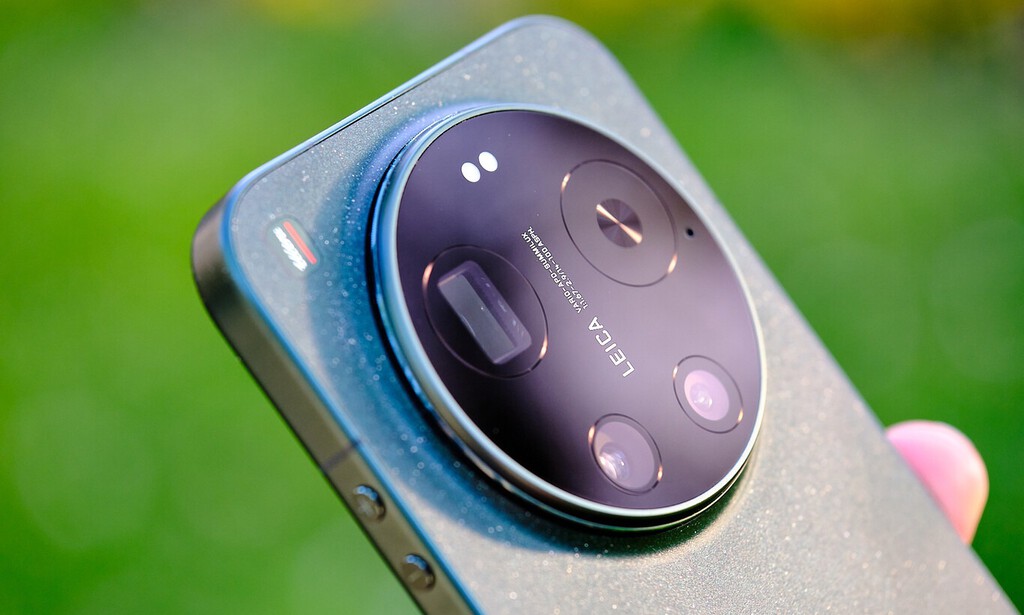
More megapixels mean you can capture more detail and crop further, but only if the sensor can actually resolve that detail. Pack 200 million pixels onto a tiny sensor and each pixel becomes so small that it captures very little light. The result is noisier, flatter images, especially indoors or at night.
How Pixel Size Changes the Picture
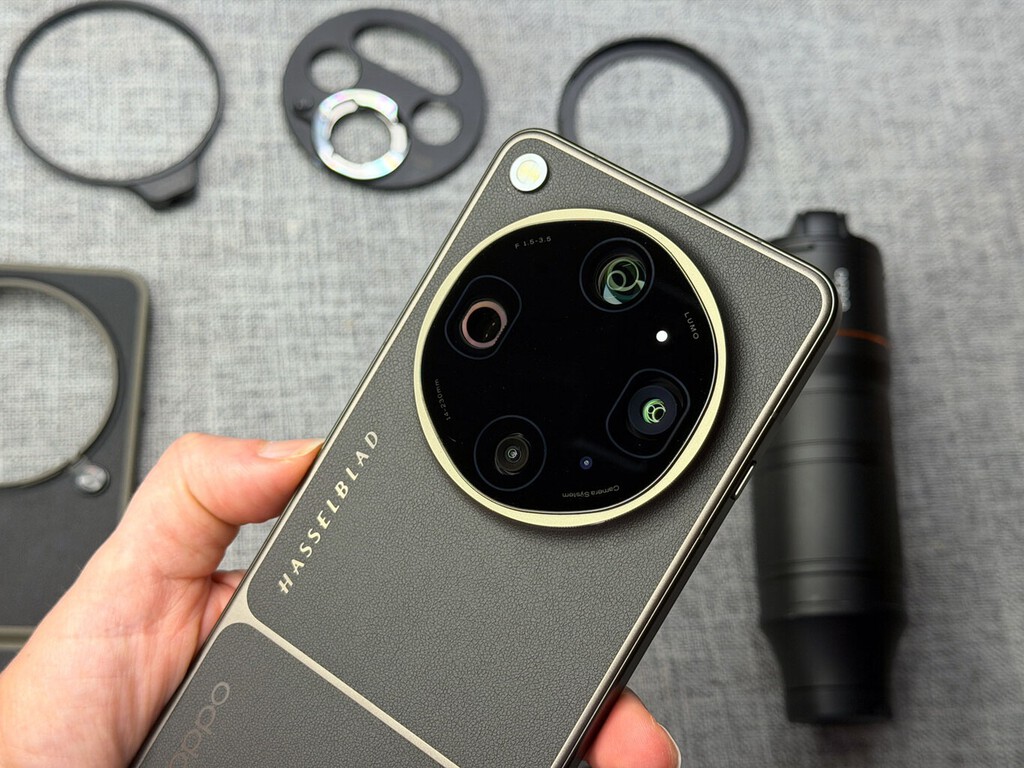
Each pixel on a sensor is a light bucket. A larger bucket collects more photons, which means cleaner shadows, better dynamic range, and less grain when the light drops. This is why sensor size matters more than the megapixel count printed on the box.
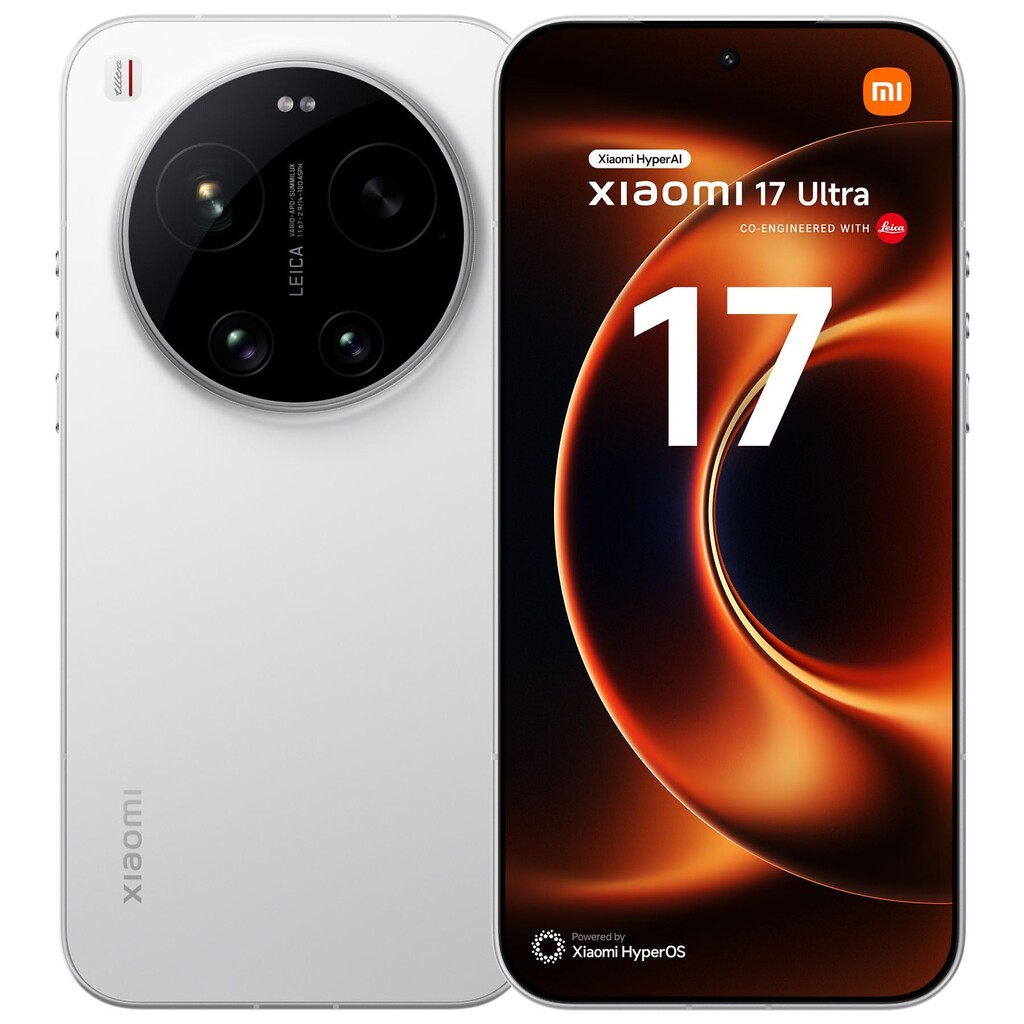
Many high-megapixel phones use pixel binning, combining several small pixels into one larger effective pixel. It helps, but it cannot fully match a sensor that started with physically bigger pixels. The hardware ceiling stays in place.
Why Sensor Size Wins the Camera Battle
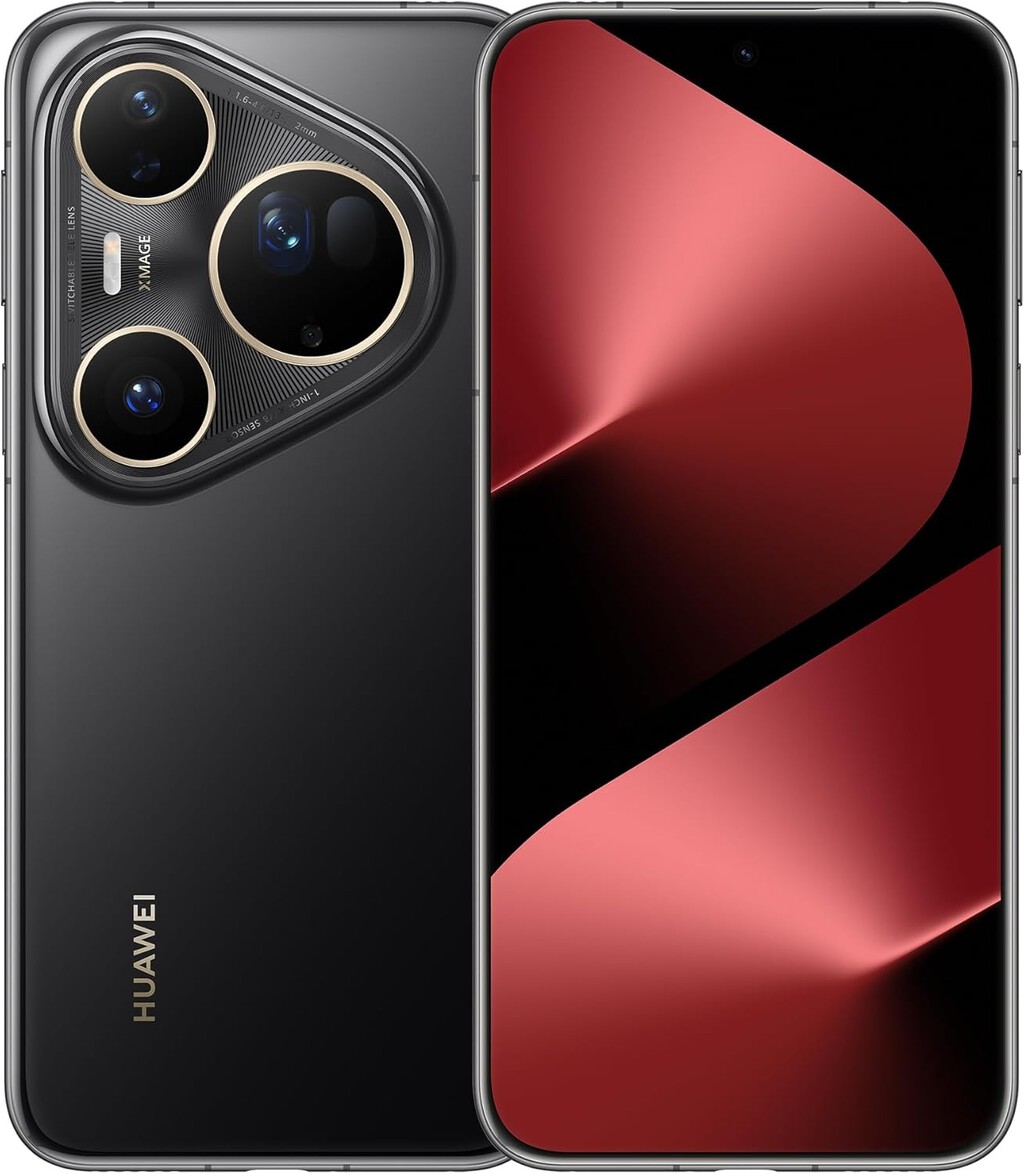
A larger sensor captures more total light across its surface. That advantage shows up in low-light shots, in the natural background blur of portraits, and in how much detail survives when you zoom into a photo. Software can fake some of this, but physics sets the limit.
This is also why the megapixel race faded and the sensor race took over. Brands first competed on megapixels, then on the number of rear cameras, and now the meaningful differentiator is the size of the main sensor and the quality of its pixels.
- Sensor size determines how much light the camera gathers overall.
- Pixel size determines how clean each individual pixel's signal is.
- Megapixels determine resolution and cropping headroom, not quality.
- Pixel binning helps small pixels but cannot beat genuinely larger ones.
- Software processing improves results but cannot replace optical light capture.
Reading a Camera Spec Sheet the Right Way
Ignore the headline megapixel number for a moment and look for the sensor format, usually written as a fraction such as 1/1.3" or 1/2.76". A smaller denominator means a larger sensor. Then check the pixel size in micrometers (µm) — larger is better for low light.
Compare those two figures before anything else. A phone with a large main sensor and a modest megapixel count will usually outperform a budget phone with a huge megapixel figure and a tiny sensor, just as in the Xiaomi versus Redmi example. The background to this story is set out in Trending: latest articles. A related thread runs through Xiaomi 17 Ultra Review: The Camera Phone to Beat in 2026. Earlier coverage in Nothing Phone (3a) Review: A Unique Budget Smartphone Under 250 Euros shows how the argument developed.
| Spec | What It Tells You | What to Look For |
|---|---|---|
| Megapixels | Resolution and crop potential | Enough for your output, not the highest number |
| Sensor format | Total light-gathering area | Larger sensor (smaller fraction denominator) |
| Pixel size (µm) | Per-pixel light capture | Larger pixels for cleaner low-light shots |
| Pixel binning | Combined effective pixel size | Useful, but secondary to real sensor size |
| Aperture | Light entering the lens | Wider aperture (lower f-number) helps in dim light |
Who This Affects and What to Watch Next
Anyone shopping for a phone on a budget is most exposed to megapixel marketing. A 200MP sensor on an affordable model sounds impressive, but if the sensor is small, night shots and zoomed crops will disappoint. Flagship buyers should still verify the sensor format rather than trusting the badge. A closer look at the same subject appears in Oppo Find X9 Ultra vs Vivo X300 Ultra: Ultimate Camera Comparison. Anyone following the wider picture can start with Sony's AI Camera Assistant Backfires with Overexposed Photos. The same theme surfaces in Why Cheap Phones in 2026 Still Struggle With Basic Tasks, which takes a different angle.
Going forward, expect manufacturers to lean harder on sensor size and computational photography claims. The smart move is to compare real sample photos and sensor specs, not the largest number on the spec sheet. That habit will serve you across every phone launch cycle. Context on how this played out before sits in Paint Size Cans Explained: Heights, Diameters and Capacities. A companion piece, Phone Camera Sensor Size vs Megapixels: What Really Matters, approaches the same subject from another angle.
FAQ
Is a 200MP camera better than a 50MP camera?
Not automatically. If the 200MP sensor is physically small, its pixels capture less light and image quality can be worse than a 50MP camera with a larger sensor. Sensor and pixel size matter more than the megapixel count.
What is pixel binning and does it fix small pixels?
Pixel binning combines multiple small pixels into one larger effective pixel to improve light capture and reduce noise. It helps noticeably, but it cannot fully match a sensor that has physically larger pixels to begin with.
What camera spec should I check first?
Start with the sensor format, written as a fraction like 1/1.3". A smaller denominator means a bigger sensor. Then check pixel size in micrometers — larger values generally mean better low-light performance.
Why did phone makers stop pushing megapixels?
Because buyers and reviewers realized megapixels measure resolution, not quality. The meaningful competition shifted to sensor size, pixel size, and computational photography, which have a far greater impact on real photos.
Browse the Shop
 Acacia frida deluxe solid wood bed frame |
Bedroom bench |
Bed chest drawers |
Lingerie dresser |
Frame base |
Mirror with jewelry storage |
30 Bathroom Vanity |
Memory foam queen mattress |
Mattresses for back pain |
Nightstand set of 2 |
Grand Goldman Shop |
Civil Lawyer
Deutschland Trikot WM 2026







