

A hidden Renaissance portal discovered behind a wall in a Spanish home has led to a €1 million payout for its owner after a decade of legal disputes. The case highlights the unexpected value that can lie beneath the surface of historic properties and the complex legal landscape surrounding heritage discoveries.
In 2016, Juan Francisco León Catena and his father were renovating a house they had just purchased on Calle Cava in Úbeda, Jaén province, Spain. While knocking down a partition wall to find the load-bearing structure, they uncovered a beautifully preserved 16th-century portal spanning three floors. The find would change their lives—and their property—forever.
Find Original Home Decor sparking conversation at Grand Goldman Shop.

The Accidental Discovery of a Renaissance Masterpiece
The portal, roughly 11 meters tall, features ornate carvings including niches, arches, friezes, coats of arms, medallions, and attached columns. It had been concealed for five centuries, likely walled up during a period of architectural change or to protect it from damage. The discovery was reported by El País and other Spanish media, drawing attention from historians and heritage experts.
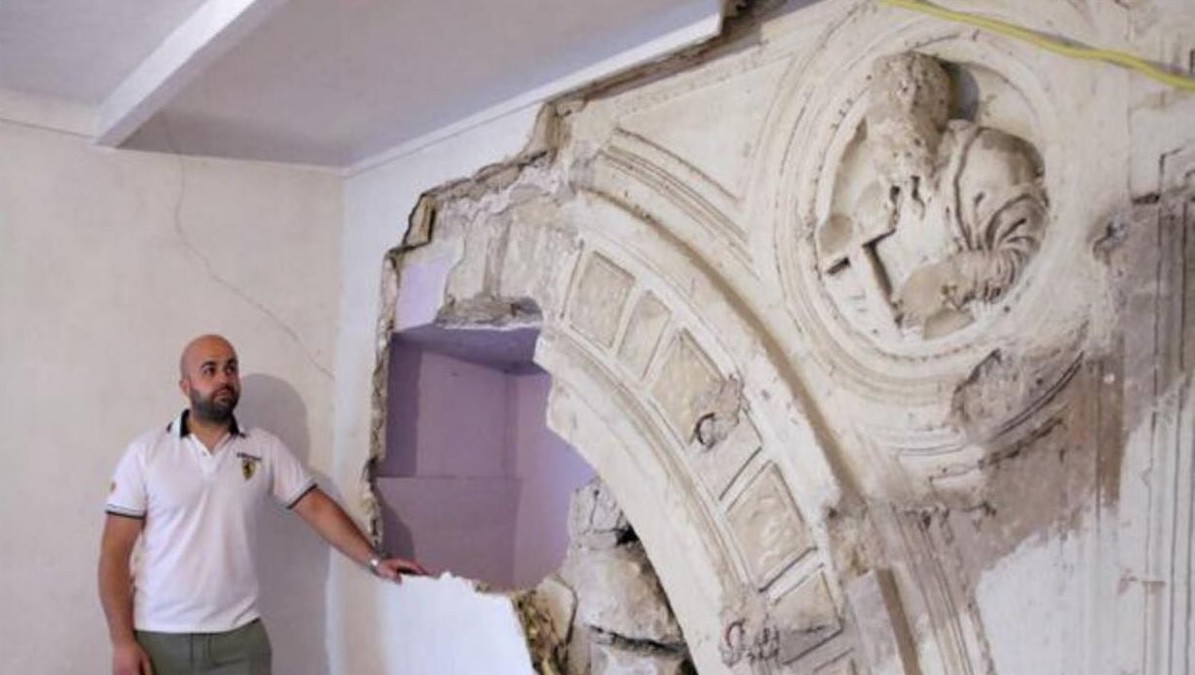
Instead of destroying or hiding the find, León Catena recognized its historical significance and reported it to local authorities. This decision set off a lengthy process to determine ownership, value, and preservation responsibilities.
Why the Portal Matters
Úbeda is renowned for its Renaissance architecture and is a UNESCO World Heritage site. The portal is a rare example of domestic Renaissance design, offering insights into the city's golden age. Its survival in such good condition is remarkable, and its discovery adds to the architectural heritage of the region.
The portal's value extends beyond aesthetics; it represents a tangible link to Spain's cultural past. For historians, it provides new material for study. For the owner, it became both a blessing and a legal headache.
The Legal Battle and €1 Million Compensation
After the discovery, the Junta de Andalucía (the regional government) stepped in to assess the portal's significance. Spanish law protects cultural heritage, and discoveries of this magnitude often involve the state. The process to determine compensation for the owner took over ten years, as experts debated the portal's value and the owner's rights. The longer history behind the story is traced in Giant 331-Million-Year-Old Shark Tooth Unearthed in Asturias.
Finally, the valuation committee of the Junta de Andalucía set the compensation at more than €1 million. This amount reflects the portal's historical and artistic value, as well as the owner's cooperation in preserving it. León Catena could have sold the portal on the black market or destroyed it, but he chose to do the right thing—and was rewarded for it. The background to this story is set out in 18th-Century Wine Cellar Discovered Beneath El Bierzo Priory Farm. A related thread runs through La Rioja Bar Floor Collapse Reveals Hidden Cave Beneath. Earlier coverage in Nepal's Green Miracle House: The Secret Beneath the Soil shows how the argument developed.
- Discovery: A 16th-century Renaissance portal was found behind a wall during a home renovation in Úbeda, Spain.
- Significance: The portal is a rare domestic architectural treasure in a UNESCO World Heritage city.
- Legal Process: The owner reported the find, leading to a decade-long valuation and compensation process.
- Compensation: The Junta de Andalucía awarded over €1 million to the owner for the portal's preservation.
- Lesson: Reporting heritage discoveries can be financially rewarding and ethically responsible.
What This Means for Homeowners and Heritage
This case serves as a precedent for similar situations. Homeowners who discover valuable historical artifacts or structures are often unsure of their rights and obligations. In Spain, the law requires reporting such finds, but compensation is not always guaranteed. Here, the system worked, albeit slowly. A closer look at the same subject appears in Hidden Wildlife Beneath the Hollywood Sign: Snakes, Bobcats. Anyone following the wider picture can start with Trump Press Secretaries and the Art of the Political Lie. The same theme surfaces in Antarctic Icefish City: 60 Million Nests Beneath the Ice, which takes a different angle.
For those renovating old properties, especially in historic areas, it's wise to be prepared for surprises. Consulting with heritage experts before starting work can help avoid legal complications and ensure that any discoveries are handled properly. Context on how this played out before sits in Ancient Roman Library Discovered in Cordoba, Spain. A companion piece, Creating a Hidden Door Shelf for a Secret Space at Home, approaches the same subject from another angle.
Comparison of Heritage Discovery Outcomes
| Scenario | Action Taken | Outcome |
|---|---|---|
| Owner reports discovery | Notifies authorities, preserves artifact | Compensation (e.g., €1 million) and legal protection |
| Owner conceals discovery | Hides or destroys artifact | Potential fines, loss of heritage, no compensation |
| Owner sells on black market | Illegal sale | Criminal charges, artifact lost to public |
FAQ
What exactly was discovered in the Úbeda house?
A large Renaissance portal dating back to the 16th century was found behind a wall. It features elaborate carvings, columns, and coats of arms, and spans three floors of the house.
Why did the owner receive €1 million?
The compensation was awarded by the Junta de Andalucía's valuation committee for the historical and artistic value of the portal, which the owner reported and helped preserve. Spanish law allows for compensation when significant heritage is found on private property.
How long did the legal process take?
The process took approximately ten years, from the discovery in 2016 to the final compensation decision. This timeframe reflects the complexity of valuing and legally handling such a unique find.
What should I do if I find something similar?
If you discover a historical artifact or structure during renovation, stop work and contact local heritage authorities immediately. Do not attempt to remove or sell it. Reporting the find is legally required in many countries and can lead to compensation, as this case shows.
The story of Juan Francisco León Catena is a reminder that history can be right beneath our feet—or behind our walls. It also underscores the importance of ethical stewardship of cultural heritage. While the financial reward is significant, the true value lies in preserving a piece of history for future generations.
Browse the Shop
 Acacia frida deluxe solid wood bed frame |
Bedroom bench |
Bed chest drawers |
Lingerie dresser |
Frame base |
Mirror with jewelry storage |
30 Bathroom Vanity |
Memory foam queen mattress |
Mattresses for back pain |
Nightstand set of 2 |
Grand Goldman Shop |
Civil Lawyer
Deutschland Trikot WM 2026







