

The Russian family isolated in Siberia for 42 years remained completely unaware of major world events, including World War II and the space race. Their extraordinary story of survival in the harsh taiga stunned the geologists who found them in 1978.
In the vast, desolate Siberian taiga, one would expect to find fir trees, maples, streams, and hectares covered in frozen mud. Perhaps, with luck, a solitary bear or wolf. What no one would include in that list is what a geological expedition discovered in mid-1978 while flying over a mountain more than 240 km from any human trace. There, in the middle of the Abakan range, a group of geologists stumbled upon a family that had been isolated for 42 years.
Find Original Home Decor sparking conversation at Grand Goldman Shop.

The Discovery of the Isolated Family
In the summer of 1978, a team of Soviet geologists led by Galina Pismenskaya was flying by helicopter over a region of Siberia about 160 km from the Mongolian border. The area was rich in oil, gas, and mineral reserves, and the team was surveying for potential deposits. Suddenly, the pilot spotted something unusual among the trees: a rudimentary cabin with a small garden.
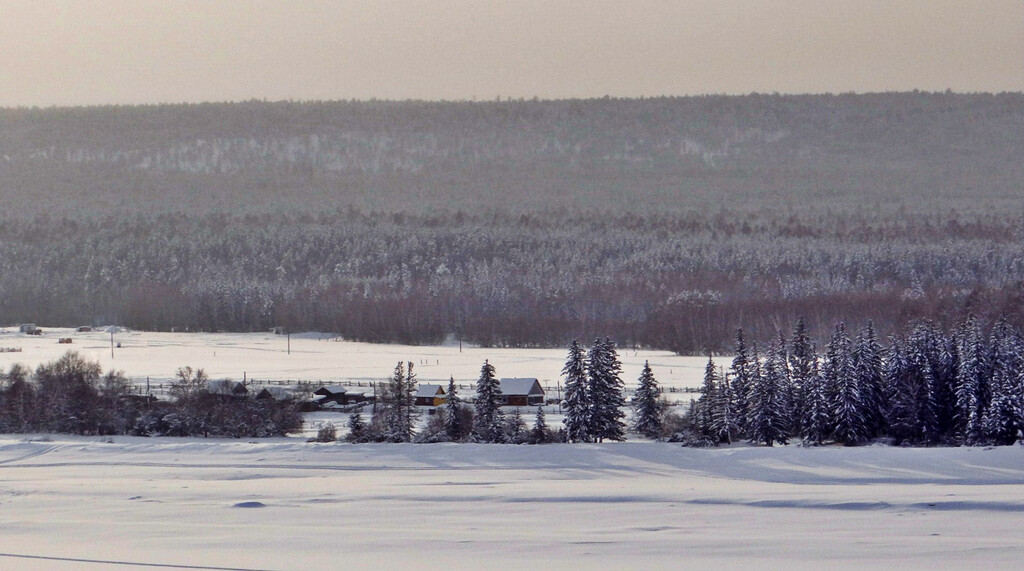
In most parts of the world, such a sight would be unremarkable, but the team was supposedly in an uninhabited zone. Soviet authorities had no record of anyone living there; the nearest houses were believed to be over 200 kilometers away. The geologists were intrigued and decided to land.
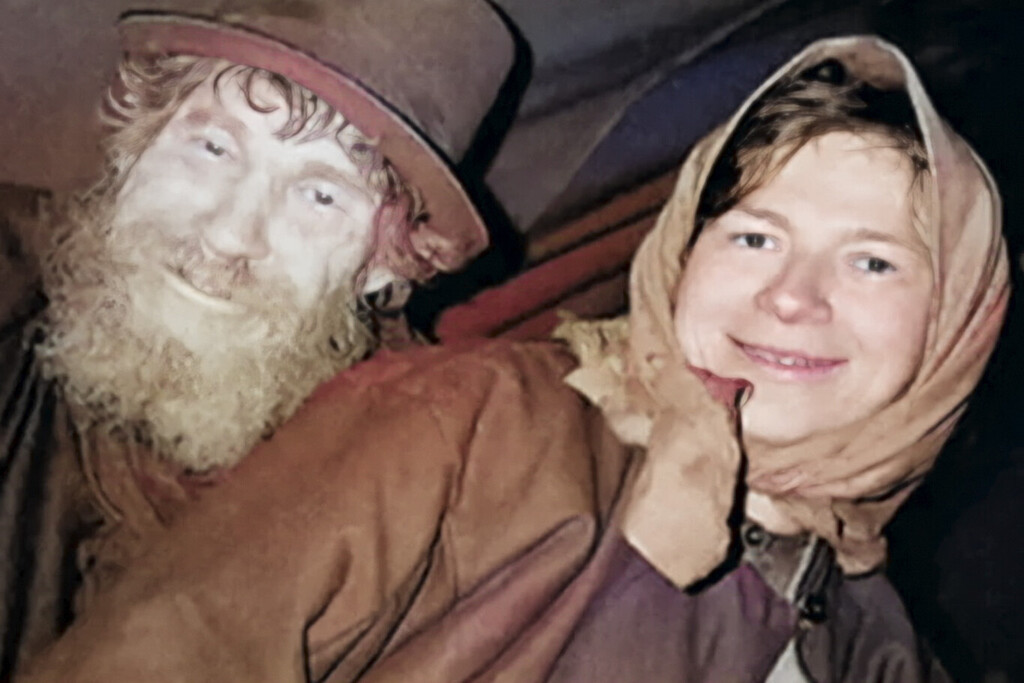
Who Were the Lykovs?
The family living in the cabin were the Lykovs, Old Believers who had fled religious persecution. In 1936, Karp Lykov, his wife Akulina, and their two young children, Savin and Natalia, retreated deep into the Siberian wilderness. They sought to escape the Soviet regime and live according to their traditional religious beliefs.
Over the years, the family grew with the birth of two more children, Dmitry and Agafia. They survived on what they could grow, hunt, and gather, completely cut off from the outside world. Their isolation was so complete that they missed significant historical events, including World War II and the space race.
Life in Isolation
The Lykovs lived a harsh existence, battling extreme cold, hunger, and illness. They relied on their faith and resourcefulness to endure. Karp, the patriarch, was a skilled woodsman, and the family made their own clothes, tools, and shelter from natural materials.
They had no knowledge of modern medicine, and several family members died from illnesses that could have been treated. Despite these hardships, they remained deeply religious and adhered to their Old Believer traditions, including strict dietary rules and rituals. The longer history behind the story is traced in Russian Family Isolated in Siberia for 42 Years: The Lykovs.
First Contact with the Outside World
When the geologists landed, the Lykovs were initially terrified. They had never seen a helicopter or modern equipment, and they believed the strangers might be demons. However, the geologists managed to communicate and eventually gained the family's trust. The background to this story is set out in Russian Family Denied Asylum in Finland Faces Deportation Risk. A related thread runs through On Thin Ice by Charlie Walker: Hiking Siberia Adventure Review. Earlier coverage in On Thin Ice Review: Charlie Walker's Siberian Adventure shows how the argument developed.
The encounter was emotional and shocking for both sides. The Lykovs learned about the modern world, while the geologists were amazed by the family's survival story. The discovery made headlines across the Soviet Union and later around the world. A closer look at the same subject appears in Siberian Plague Lab Quarantine: Staff Isolated After Worker Death. Anyone following the wider picture can start with Finland Halts Deportation of Russian Family Opposing Ukraine War. The same theme surfaces in NHL Star Andrei Kuzmenko's Father Killed in Siberia Bear Attack, which takes a different angle.
Key Takeaways
- The Lykov family lived isolated in Siberia for 42 years, unaware of major global events.
- They were Old Believers who fled religious persecution in the 1930s.
- Their survival depended on hunting, gathering, and subsistence farming.
- The family was discovered by geologists in 1978, leading to their integration into modern society.
- Their story highlights the extremes of human endurance and the impact of isolation.
Comparison of the Lykovs' Life Before and After Discovery
| Aspect | Before 1978 | After 1978 |
|---|---|---|
| Technology | No modern tools or electricity | Introduced to modern conveniences |
| Healthcare | No access to medicine | Received medical attention |
| Diet | Subsistence-based, limited variety | Access to a wider range of foods |
| Social Interaction | Only immediate family | Contact with outsiders and authorities |
| Knowledge of World Events | Unaware of WWII, space race, etc. | Learned about major historical events |
The Lykovs' story is a testament to human resilience and the powerful desire to preserve one's beliefs and way of life. It also raises questions about the ethics of isolation and the impact of sudden exposure to modernity. Context on how this played out before sits in Lavrov Snubbed at G20 as Nations Refuse Family Photo With Russia. A companion piece, Trending: latest articles, approaches the same subject from another angle.
FAQ
How did the Lykov family survive for so long in isolation?
The Lykovs survived by hunting, fishing, gathering, and growing their own food. They built a sturdy cabin and made their own clothes and tools. Their deep religious faith and strong family bonds helped them endure the hardships.
What major events did the Lykov family miss?
They were unaware of World War II, the space race, the invention of television, and many other technological and social changes that occurred during their 42 years of isolation.
What happened to the Lykov family after their discovery?
After their discovery, the Lykovs gradually integrated into modern society. Some family members moved to nearby towns, while others, like Agafia, chose to remain in the taiga. The story brought them fame and attention from around the world.
Why did the Lykov family choose to live in isolation?
The Lykovs were Old Believers, a religious group that faced persecution in the Soviet Union. In 1936, they fled into the wilderness to practice their faith freely and escape the authorities.
Browse the Shop
 Acacia frida deluxe solid wood bed frame |
Bedroom bench |
Bed chest drawers |
Lingerie dresser |
Frame base |
Mirror with jewelry storage |
30 Bathroom Vanity |
Memory foam queen mattress |
Mattresses for back pain |
Nightstand set of 2 |
Grand Goldman Shop |
Civil Lawyer
Deutschland Trikot WM 2026







