

British intelligence has discovered a Russian Kometa-B navigation system inside the wreckage of a drone that crashed into the British airbase RAF Akrotiri in Cyprus. The finding marks the first tangible evidence of Russian military technology being used in an attack within the ongoing regional conflict, raising new questions about supply chains and alliances.
The drone was launched by an Iran-aligned group from Lebanon, according to reports. The presence of the sophisticated Russian component suggests a deeper connection between Moscow and Iran-backed forces than previously acknowledged.
Find Original Home Decor sparking conversation at Grand Goldman Shop.

What Happened at RAF Akrotiri?
A kamikaze drone impacted the British airbase RAF Akrotiri in Cyprus, initially appearing as another episode in the escalating drone attacks across the Middle East. However, upon analyzing the debris, British intelligence uncovered a surprising detail: the drone contained a Russian Kometa-B navigation system.
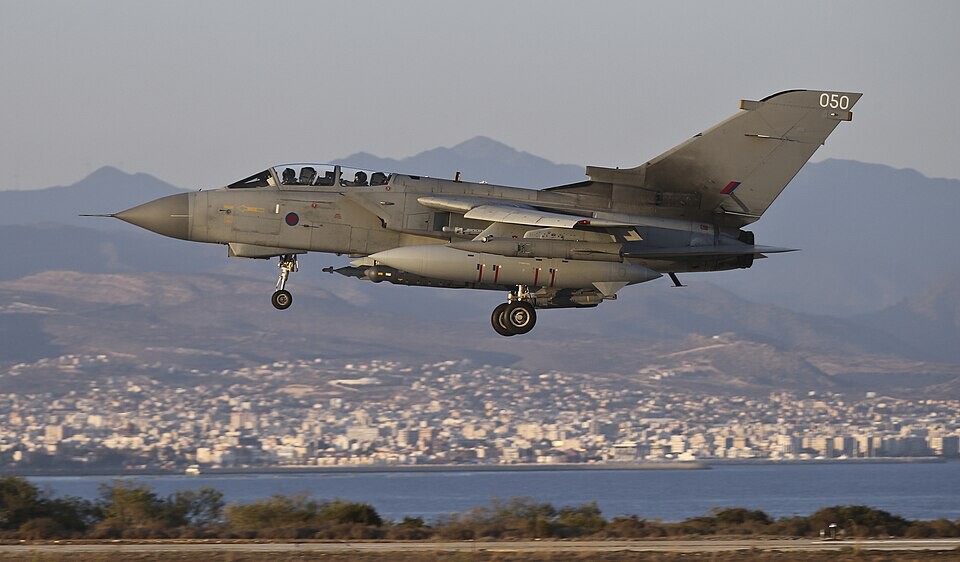
This system is designed to resist electronic interference and improve attack accuracy. Its presence in a drone launched by an Iran-aligned group from Lebanon has puzzled investigators, as it points to direct or indirect Russian involvement.
Why the Kometa-B System Matters
The Kometa-B is a military-grade navigation module that enhances drone precision by countering jamming and spoofing attempts. Its discovery indicates that the attacking group had access to advanced Russian technology, which could alter the balance of power in the region.
This finding is significant because it provides concrete evidence linking Russian military hardware to attacks in the Middle East, potentially implicating Moscow in the broader conflict.
The Strategic Implications
The discovery raises several critical questions. How did the Kometa-B system end up in the hands of an Iran-aligned group? Does this indicate a formal transfer of technology, or is it a result of black-market proliferation?
Analysts are now examining whether this is an isolated incident or part of a larger pattern of Russian support for Iranian proxies. The answer could have far-reaching consequences for regional stability and international relations.
Drone Forensics: A New Battlefield
In Ukraine, the wreckage of downed drones has become a valuable source of strategic intelligence. Engineers and analysts often reconstruct the internals piece by piece to trace their origin, electronics, and supply networks. This practice—sometimes called "military archaeology" or "warfare unboxing"—has become common in modern conflicts, where a single microchip or navigation module can reveal geopolitical connections far beyond a simple attack.
The RAF Akrotiri incident underscores the importance of drone forensics in understanding modern warfare and the networks that sustain it. The background to this story is set out in Drone Attack on Journalists in Lebanon Sparks Safety Fears. A related thread runs through Russian Ship Explosion in Benghazi: Suspected Drone Attack. Earlier coverage in Ukraine Drone Attack on Russian Oil Refineries Escalates Conflict shows how the argument developed.
What to Watch Next
As investigations continue, the international community will be watching for any official response from Russia or Iran. The findings could lead to new sanctions or diplomatic tensions. Additionally, the incident may prompt a reevaluation of security measures at military bases in conflict-prone regions. A closer look at the same subject appears in British Soldier Charged with Rape in Cyprus: What It Means. Anyone following the wider picture can start with Ukraine Drone Expo Attack: Organizer Faces Court Over Deadly. The same theme surfaces in Ukraine War: Drone Expo Organizer Faces Court After Deadly Attack, which takes a different angle.
For now, the Kometa-B discovery serves as a reminder of the complex and often hidden linkages in modern conflicts, where technology can cross borders in unexpected ways. Context on how this played out before sits in British Father Fined €3,000 After Son's Fatal Cyprus Hotel Fall. A companion piece, Cronos Gas Field: Cyprus Set to Become Europe's New Gas Supplier, approaches the same subject from another angle.
FAQ
What is the Kometa-B navigation system?
The Kometa-B is a Russian military-grade navigation module designed to resist electronic interference and improve the accuracy of drone attacks. It is considered advanced technology that enhances precision in contested environments.
Why is the discovery of the Kometa-B significant?
It is the first tangible evidence of Russian military technology used in an attack within the current Middle East conflict. This finding suggests a deeper connection between Russia and Iran-aligned groups, potentially altering regional dynamics.
Who launched the drone that hit RAF Akrotiri?
The drone was launched by an Iran-aligned group from Lebanon, according to reports. The presence of the Russian system indicates possible technology transfer or proliferation.
What are the implications for regional security?
The discovery could lead to increased tensions, new sanctions, and a reassessment of security measures. It also highlights the importance of drone forensics in tracing supply chains and alliances.
Browse the Shop
 Acacia frida deluxe solid wood bed frame |
Bedroom bench |
Bed chest drawers |
Lingerie dresser |
Frame base |
Mirror with jewelry storage |
30 Bathroom Vanity |
Memory foam queen mattress |
Mattresses for back pain |
Nightstand set of 2 |
Grand Goldman Shop |
Civil Lawyer
Deutschland Trikot WM 2026







