

A satellite has revealed a massive 2,600-year-old mudbrick building in Egypt's Nile Delta, shedding new light on a little-known period of ancient Egyptian history. The structure, roughly the size of a football field, was hidden beneath the sands at Buto (modern Tell el-Fara'in) in the northwest Nile Delta.
Discovery at Buto: A Lost Monument Unearthed
The building dates to the 26th Dynasty, also known as the Saite period, around 2,600 years ago. It was found buried under layers of debris and sand, likely obscured by a massive sandstorm that covered the site centuries ago.
Find Original Home Decor sparking conversation at Grand Goldman Shop.

Archaeologists used satellite imagery and remote sensing to identify the structure before excavating. This technology allows researchers to peer beneath the surface without disturbing the site, revealing buried walls and foundations.
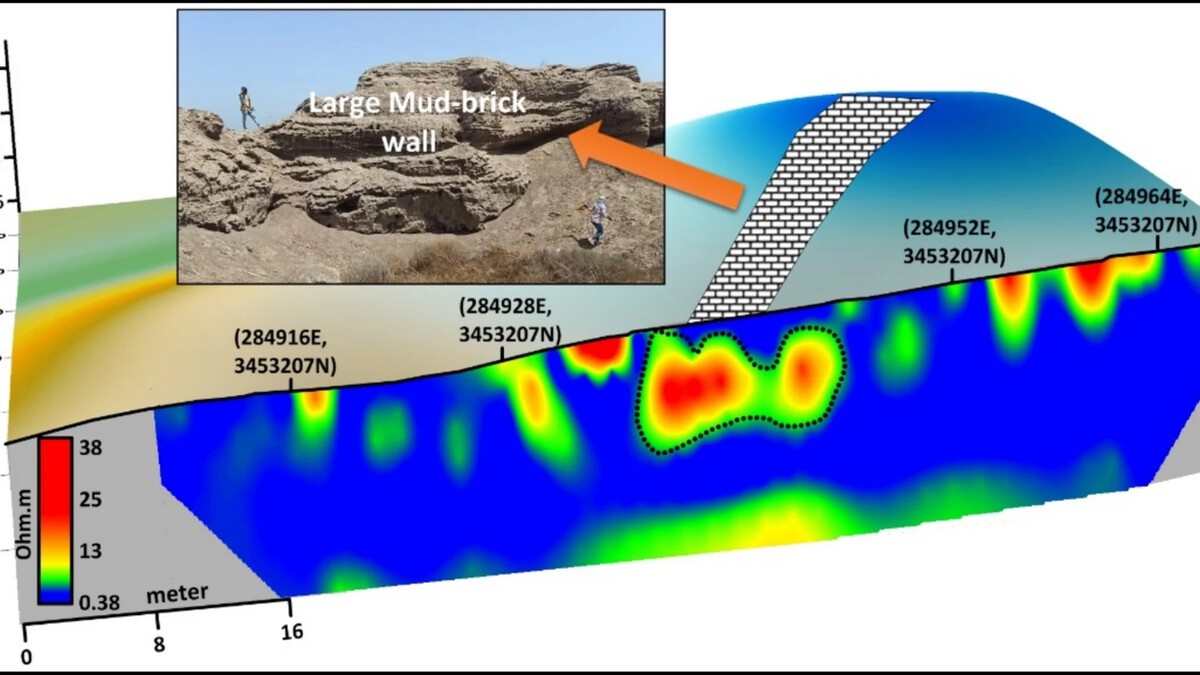
What Lies Beneath: Layers of History
The excavation revealed a stratified site with distinct layers. From the surface down to 3 meters, there were Ptolemaic and Roman debris. Between 3 and 6 meters, the large mudbrick structure from the 26th Dynasty appeared. Below that, from 6 to 7 meters, a layer of sand was found, which researchers believe was intentionally placed to stabilize the foundations on the clay-rich ground.
Among the artifacts recovered were ushabti figurines, a limestone altar with possible animal blood residue, and a faience baboon figurine associated with Thoth, the god of wisdom, writing, magic, and the moon.
Why This Discovery Matters
This find is significant because it provides new insights into the Saite period, a time of resurgence in ancient Egypt. The sheer size of the building suggests it was an important administrative or religious center. It also highlights the role of satellite technology in archaeology, enabling the discovery of large-scale structures that have remained hidden for millennia.
The presence of Thoth-related artifacts indicates the building may have had a religious or scribal function. The altar with blood residue suggests ritual activities took place there.
How Satellite Technology Uncovered the Past
The team used high-resolution satellite imagery to detect subtle changes in the landscape, such as variations in soil color and texture, which can indicate buried structures. This non-invasive method is becoming increasingly important in Egyptology, where preservation is key.
By combining satellite data with traditional excavation, archaeologists can target their efforts more precisely and uncover sites that might otherwise remain hidden. The background to this story is set out in Scottish Island Discovery Sheds Light on Christianity Spread. A related thread runs through Trending: latest articles. Earlier coverage in Roma's Hidden Gem: 2nd-Century Roman Domus Found Under High School shows how the argument developed.
What to Watch Next
Further excavations at Buto may reveal more about the building's purpose and the daily life of its inhabitants. The site could also yield more artifacts that shed light on the Saite dynasty's interactions with other cultures. A closer look at the same subject appears in Lost Link to Egypt's Great Pyramids Found in 5,000-Year-Old Tombs. Anyone following the wider picture can start with 2,000-Year-Old Roman Lead Ingot Reveals Hidden Workshop in Germany. The same theme surfaces in Neanderthal Extinction: Why Our Closest Relatives Disappeared, which takes a different angle.
As technology advances, we can expect more discoveries of this kind, rewriting our understanding of ancient civilizations. Context on how this played out before sits in Pompeii Wardrobe Yields Perfume Bottle and Child's Necklace. A companion piece, Satellite Reveals 2,600-Year-Old Mudbrick Building in Egypt's Nile Delta, approaches the same subject from another angle.
FAQ
What was discovered in Egypt's Nile Delta?
A large mudbrick building dating back about 2,600 years was discovered at Buto (Tell el-Fara'in) in the Nile Delta. The structure is roughly the size of a football field.
How was the building found?
Archaeologists used satellite imagery to detect the buried structure before excavating. This technology revealed subtle landscape changes indicating the presence of the building.
Why is this discovery important?
It provides new information about the 26th Dynasty (Saite period) and demonstrates the effectiveness of satellite technology in archaeology. The building's size and artifacts suggest it was an important site.
What artifacts were found?
Artifacts include ushabti figurines, a limestone altar with possible animal blood residue, and a faience baboon figurine associated with the god Thoth.
Browse the Shop
 Acacia frida deluxe solid wood bed frame |
Bedroom bench |
Bed chest drawers |
Lingerie dresser |
Frame base |
Mirror with jewelry storage |
30 Bathroom Vanity |
Memory foam queen mattress |
Mattresses for back pain |
Nightstand set of 2 |
Grand Goldman Shop |
Civil Lawyer
Deutschland Trikot WM 2026







