

In South Korea, young people are increasingly hooked on dopamine apps that offer no real product or service—just the thrill of simulated shopping and virtual smoking breaks. These apps are designed to trigger the brain's reward system without requiring any actual spending, tapping into a growing trend of digital satisfaction in a high-pressure society.
What Are Dopamine Apps and Why Are They Popular?
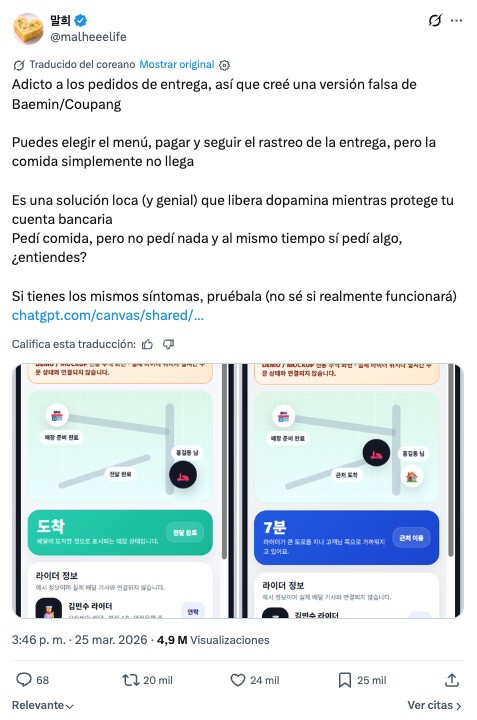
Dopamine apps are mobile applications that mimic the experience of shopping or socializing without any real transaction. Users can browse menus, add items to a cart, and even see delivery times—all without ever checking out. There are also virtual smoking rooms where users can chat with others while puffing on a fake cigarette.
Find Original Home Decor sparking conversation at Grand Goldman Shop.

This phenomenon, reported by The Korean Times, reflects a deeper cultural shift. For many young South Koreans, the act of browsing and adding to cart provides a dopamine hit similar to actual purchasing, but without the financial burden. It's a way to fake it till you make it—enjoying the psychological rewards of consumption without the cost.
How Do These Apps Work?
There are two main types of dopamine apps: food delivery simulations and virtual smoking breaks. In the food delivery apps, users can scroll through restaurant menus, select items, and place them in a cart. They can see estimated delivery times and read reviews, but they never complete the order. The app simulates the entire process up to the point of payment.
Virtual smoking apps, on the other hand, allow users to light up a virtual cigarette and join chat rooms with others who are also taking a "smoke break." The conversations are often mundane, mimicking the casual banter that happens among real smokers. As one user might say, "Tuesday, screw you," in a virtual room—a way to vent and socialize without actually smoking.
The Psychology Behind the Trend
Kim Heon-sik, a professor at Jungwon University, links these apps to the Muk-Bang culture—a phenomenon where people watch others eat large meals online. Both provide vicarious satisfaction. The appeal lies in the dopamine release that comes from anticipation and simulated experiences.
In a society where young people face intense academic and career pressure, these apps offer a low-stakes escape. They allow users to experience the excitement of shopping or the relaxation of a smoke break without the financial or health consequences. It's a form of digital self-soothing in a hyper-connected world. The background to this story is set out in Dopamine Apps Simulate Shopping for a Quick High: What to Know. A related thread runs through South Korea Angry at Ukraine Over North Korean POWs Transfer. Earlier coverage in Bono Cultural Joven 2026: How to Apply for the 400 Euro Youth Culture Voucher shows how the argument developed.
Key Takeaways
- Dopamine apps simulate shopping and smoking without real transactions, providing psychological rewards.
- The trend is particularly popular among South Korean youth facing economic and social pressures.
- These apps tap into the same brain mechanisms as actual consumption, but without the cost.
- Experts link the phenomenon to Muk-Bang culture and the search for vicarious satisfaction.
- While harmless on the surface, the trend raises questions about digital addiction and escapism.
Comparison of Dopamine Apps vs. Real Experiences
| Aspect | Dopamine Apps | Real Experiences |
|---|---|---|
| Cost | Free | Requires money |
| Dopamine Trigger | Simulated browsing and socializing | Actual purchase or consumption |
| Health Impact | No physical harm | Potential health risks (e.g., smoking) |
| Social Interaction | Virtual chat rooms | In-person or real-time online |
| Financial Risk | None | Budget-dependent |
What This Means for the Future
The rise of dopamine apps signals a shift in how young people seek satisfaction. As economic pressures mount, more may turn to digital simulations to cope. This could lead to a generation that is more accustomed to virtual rewards than real ones, potentially affecting consumer behavior and mental health. A closer look at the same subject appears in Medievalcore: Why Fashion and Youth Culture Are Embracing the Middle. Anyone following the wider picture can start with South Korea Football Stars Military Service Exemption Debate. The same theme surfaces in South Korea Hormuz Deployment Review Amid US Pressure, which takes a different angle.
While these apps are currently a niche phenomenon in South Korea, they could spread to other countries facing similar socio-economic conditions. The underlying desire for affordable pleasure is universal, and technology continues to find new ways to meet it. Context on how this played out before sits in China's Dark Tourism Boom: Simulated Typhoons Drive Travel Trend. A companion piece, South Korea Demands Apology After North Korea Mine Blast, approaches the same subject from another angle.
FAQ
What exactly are dopamine apps?
What exactly are dopamine apps?
Dopamine apps are mobile applications that simulate rewarding experiences like shopping or smoking without any real transaction. They are designed to trigger the brain's reward system, providing a dopamine rush similar to actual consumption but without the cost or consequences.
Why are South Korean youth attracted to these apps?
Why are South Korean youth attracted to these apps?
Many young South Koreans face high living costs and intense social pressure. These apps offer a way to experience the thrill of shopping or the relaxation of a smoke break without spending money or harming their health, providing a low-stakes escape.
Are dopamine apps harmful?
Are dopamine apps harmful?
On the surface, they are harmless and free. However, experts worry about potential digital addiction and escapism. Over-reliance on simulated rewards could impact mental health and real-world motivation, though more research is needed.
Could this trend spread to other countries?
Could this trend spread to other countries?
It's possible, as the desire for affordable pleasure is universal. Countries with similar economic pressures and high smartphone penetration could see similar apps emerge. However, cultural factors like Muk-Bang may influence how quickly they catch on.
Browse the Shop
 Acacia frida deluxe solid wood bed frame |
Bedroom bench |
Bed chest drawers |
Lingerie dresser |
Frame base |
Mirror with jewelry storage |
30 Bathroom Vanity |
Memory foam queen mattress |
Mattresses for back pain |
Nightstand set of 2 |
Grand Goldman Shop |
Civil Lawyer
Deutschland Trikot WM 2026







