

In the 1960s, Spain conducted a little-known experiment with gamma radiation that left behind a strange circular forest near Alcalá de Henares. Known as the gamma radiation forest, this site is a fascinating relic of Cold War science and Franco-era ambitions.
If you open Google Maps in satellite view and search for "Jardín Atómico Alcalá," you'll see a perfect green circle made of concentric rings of trees. This 15-hectare grove is the footprint of the Campo de Radiación Gamma de El Encín, a unique scientific installation from the last decades of Franco's regime.
Find Original Home Decor sparking conversation at Grand Goldman Shop.

The Origins of the Gamma Radiation Forest
The 1950s and 1960s were years of global tension and rapid technological change. Spain, under Franco, was entering a phase of desarrollismo—a push for economic modernization and scientific advancement. In this context, the country sought to experiment with nuclear technology, including the use of gamma radiation for agricultural and biological research.
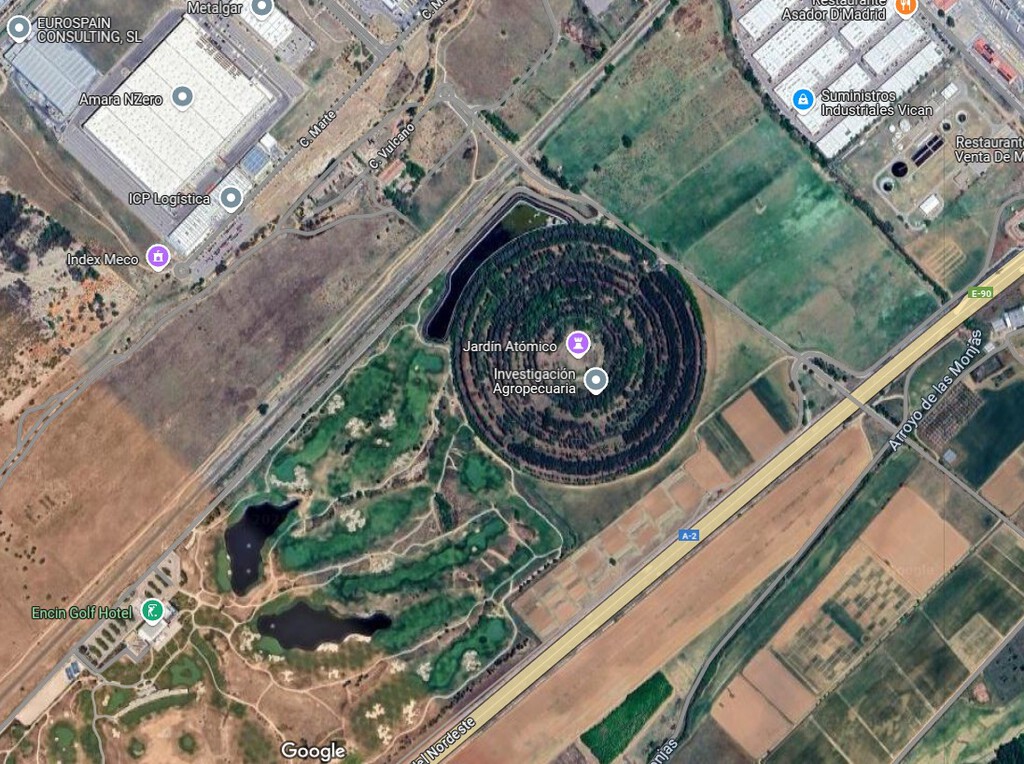
The El Encín facility was established to study the effects of radiation on plants and ecosystems. It was part of a broader effort to position Spain on the scientific map, even as the Cold War raged.
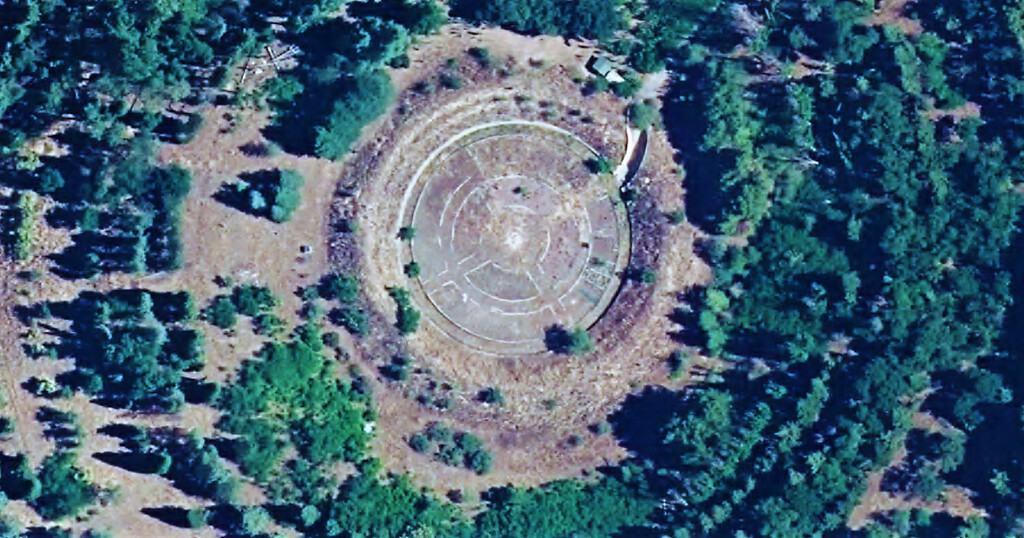
What Was the Purpose of the Experiment?
Scientists at El Encín used a gamma radiation source to irradiate plants and observe how they mutated or adapted. The goal was to develop hardier crops and understand radiation's impact on living organisms. The circular forest itself was planted around the radiation source, creating a living laboratory where researchers could study the effects of chronic low-dose radiation on trees.
According to anthropologist Ambrosio Sánchez de Ribera, the site is "a singularity" in Europe—a unique landscape born from atomic science.
The Legacy of the Atomic Forest
Today, the gamma radiation forest stands as a mysterious and little-visited landmark. The concentric rings of trees are a visible reminder of a time when nuclear experimentation was seen as a path to progress. The site is not widely known, even among Spaniards, but it attracts curious travelers and researchers interested in its history.
Despite its scientific origins, the forest has become a natural haven. The trees have grown tall and lush, and the area is now a peaceful spot—though the radiation source is long gone.
Why Does This Matter?
The story of the gamma radiation forest highlights the intersection of science, politics, and environment. It shows how Cold War tensions influenced even agricultural research, and how ambitious projects can leave lasting marks on the landscape.
It also raises questions about the long-term effects of radiation on ecosystems. While the experiment ended decades ago, the forest continues to be studied for clues about how nature adapts to human interventions. The background to this story is set out in Alcalá Police Face Expired Bulletproof Vests: Safety Concerns. A related thread runs through Trending: latest articles. Earlier coverage in France's Secret Nuclear Missile Silos Beneath Provence shows how the argument developed.
What to Watch Next
As interest in atomic-age heritage grows, sites like El Encín may attract more attention. Preservation efforts could help protect this unique landscape and educate the public about its history. Meanwhile, scientists continue to monitor the area for any lingering effects of radiation. A closer look at the same subject appears in Soviet Komsomolets Submarine Still Leaks Radiation in 2024. Anyone following the wider picture can start with Spain's Firefighting Donkeys: A Simple Solution to Wildfire Risk. The same theme surfaces in Ukraine Air Raid Alert App Hacked: False Nuclear Warnings Spark Fear, which takes a different angle.
For now, the gamma radiation forest remains a hidden gem—a testament to a time when Spain dared to dream of atomic-powered agriculture. Context on how this played out before sits in Atomic Dreams: The Wildest Nuclear Projects Ever Imagined. A companion piece, Spain's Forgotten Gamma Radiation Forest in Alcalá, approaches the same subject from another angle.
FAQ
What is the gamma radiation forest in Alcalá?
The gamma radiation forest is a circular grove of trees planted around a former gamma radiation facility in Alcalá de Henares, Spain. It was part of a Cold War-era experiment to study radiation's effects on plants.
Why was the forest planted in concentric circles?
The circular design allowed scientists to expose trees at varying distances from the radiation source, creating a controlled gradient for study.
Is the forest still radioactive?
No, the radiation source has been removed and the area is considered safe. The forest is now a peaceful natural site.
Can I visit the gamma radiation forest?
The site is not officially open to the public, but it can be viewed from nearby roads or via satellite imagery. Always respect any restrictions if you attempt to visit.
Browse the Shop
 Acacia frida deluxe solid wood bed frame |
Bedroom bench |
Bed chest drawers |
Lingerie dresser |
Frame base |
Mirror with jewelry storage |
30 Bathroom Vanity |
Memory foam queen mattress |
Mattresses for back pain |
Nightstand set of 2 |
Grand Goldman Shop |
Civil Lawyer
Deutschland Trikot WM 2026







