

Spain's fresh fish consumption is shifting from traditional fishmongers to pre-packaged trays, and a new OCU study reveals that these convenient options often cost more. The Spanish consumer organization found that fish sold in trays can be significantly pricier than similar products from the fish counter, raising questions about value and quality.
What Happened to Spain's Fish-Buying Habits?
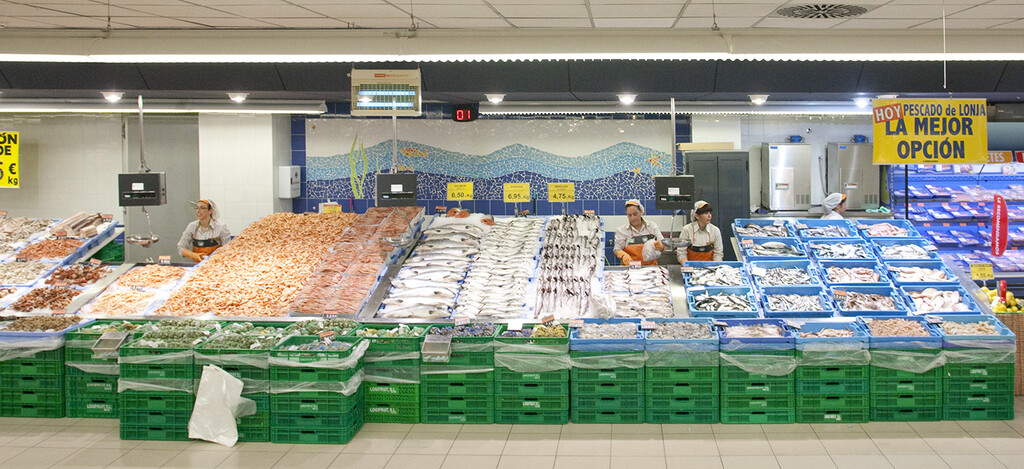
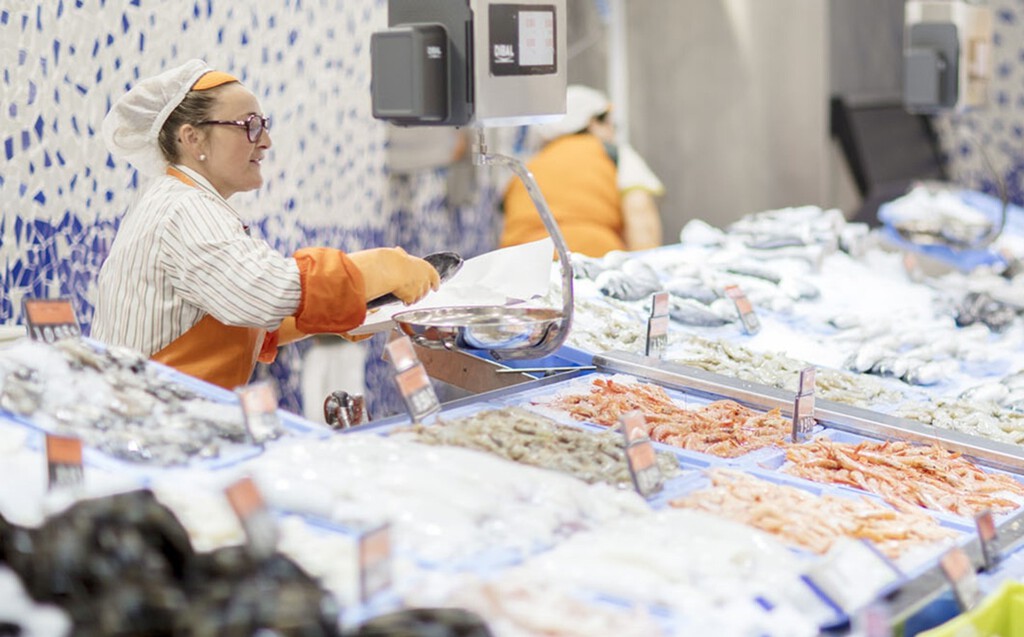
In the past, buying fish meant visiting a local market or fishmonger, where you could ask questions, choose your cut, and pay per weight. Today, more consumers are opting for pre-filleted, scaled, and tray-packaged fish from supermarket refrigerators. This shift is partly driven by convenience and changing shopping patterns, with spending increasingly concentrated in supermarkets rather than specialty shops.
Find Original Home Decor sparking conversation at Grand Goldman Shop.

The trend has been accelerated by major chains like Mercadona, which has decided to retire its fish counters in favor of pre-packaged offerings. Mercadona holds a dominant market share in Spain, accounting for over 30% of food distribution in some regions, so its move has a significant impact on how Spaniards buy fish.
What Did the OCU Study Find?
The OCU compared prices of pre-packaged fish trays with those from traditional fish counters. The results show that, in general, consumers are paying a premium for the convenience of tray-packaged fish. The study highlights that while the fish may be ready to cook, the cost per kilogram is often higher than buying from a counter.
This price difference is not trivial. For a household that consumes fish regularly, the extra cost can add up quickly. The OCU's findings suggest that consumers should be aware of this premium and consider whether the convenience is worth the extra expense.

Why Does This Matter for Consumers?
The shift to pre-packaged fish has several implications. First, it affects household budgets, as the price premium can strain finances, especially for families that eat fish multiple times a week. Second, it may impact the quality and freshness of the fish, as pre-packaged products may have been processed and stored for longer periods.
Additionally, the decline of fish counters in supermarkets reduces opportunities for consumers to interact with knowledgeable staff and learn about different types of fish, seasonality, and preparation methods. This loss of expertise could lead to less informed purchasing decisions.
Key Takeaways from the OCU Analysis
- Price premium: Pre-packaged fish trays often cost more per kilogram than fish from the counter.
- Convenience factor: The higher price is partly justified by the convenience of ready-to-cook products.
- Market shift: Mercadona's removal of fish counters reflects a broader trend toward pre-packaged seafood.
- Consumer awareness: Shoppers should compare prices and consider buying from counters when available.
- Quality considerations: Pre-packaged fish may have different freshness and handling standards.
How Do Prices Compare?
To illustrate the price difference, here is a comparison based on the OCU's findings for common fish types:
| Fish Type | Average Price at Counter (€/kg) | Average Price in Tray (€/kg) | Price Difference |
|---|---|---|---|
| Salmon | 12.50 | 15.00 | +20% |
| Sea Bream | 8.00 | 9.50 | +19% |
| Hake | 10.00 | 12.00 | +20% |
| Sole | 18.00 | 21.50 | +19% |
Note: Prices are illustrative and based on the OCU's general findings; actual prices may vary by store and region. The background to this story is set out in Husband Lets Cat Drink on Kitchen Counter: Hygiene Debate. A related thread runs through Trending: latest articles. Earlier coverage in Guard Dog Boom in Spain: Cane Corso Prices Reach €15,000 shows how the argument developed.
What to Watch Next
As supermarkets continue to phase out fish counters, consumers may face fewer choices and higher prices. However, some retailers might respond by offering competitive pricing on pre-packaged fish to attract budget-conscious shoppers. It's also possible that local markets and fishmongers will see a resurgence as consumers seek better value and freshness. A closer look at the same subject appears in Spain Housing Market 2026: Sales Fall but Prices Keep Rising. Anyone following the wider picture can start with Mercadona's Tourism Boom: 4.5% of Sales From Visitors. The same theme surfaces in Spain's Renewable Energy Boom: Why Your Electricity Bill Still Rises, which takes a different angle.
For now, the OCU recommends that consumers stay informed about prices and consider all options. Buying whole fish and having it filleted at the counter, when available, can be a cost-effective alternative. Additionally, frozen fish can be a budget-friendly and nutritious option. Context on how this played out before sits in Caballa en Escabeche: Spanish Pickled Mackerel Made Easy. A companion piece, Spain's Fresh Fish Shift: Tray Packs Cost More, OCU Finds, approaches the same subject from another angle.
FAQ
Is pre-packaged fish always more expensive?
Not always, but the OCU study found that in most cases, pre-packaged fish carries a price premium compared to fish from the counter. However, prices can vary by store and promotions, so it's worth comparing.
Why is Mercadona removing fish counters?
Mercadona has not publicly detailed its reasons, but the move aligns with a broader trend toward pre-packaged products for convenience and efficiency. It may also reduce labor costs and waste.
What does the OCU recommend for buying fish?
The OCU suggests comparing prices between trays and counters, considering whole fish, and exploring frozen options. Being informed can help consumers make better choices.
How can I save money on fish?
Buying whole fish and having it prepared, choosing frozen fish, and shopping at local markets can help reduce costs. Also, look for sales and seasonal varieties.
Browse the Shop
 Acacia frida deluxe solid wood bed frame |
Bedroom bench |
Bed chest drawers |
Lingerie dresser |
Frame base |
Mirror with jewelry storage |
30 Bathroom Vanity |
Memory foam queen mattress |
Mattresses for back pain |
Nightstand set of 2 |
Grand Goldman Shop |
Civil Lawyer
Deutschland Trikot WM 2026







