

A tiny bird, the curruca gavilana (sardinian warbler), has caused a stir in Mieres, Spain, after being spotted only 14 times in the country. This rare sighting has sparked an ornithological pilgrimage to the area.
On October 12, Clemente Álvarez Usategui, coordinator of the Ornithological Coordinator of Asturias, photographed the bird in Aníbal Vázquez Park in La Mayacina. This is the fourth sighting in Asturias and the 14th in Spain.
Find Original, High-end Home Decor that spark conversation at Grand Goldman Shop.
What Happened?
Álvarez Usategui had been visiting the park daily since late July, noticing it served as a corridor for migratory birds. That morning, among the bushes, he captured the image of the curruca gavilana. Public observation records place the bird in the park on October 12 and 13.
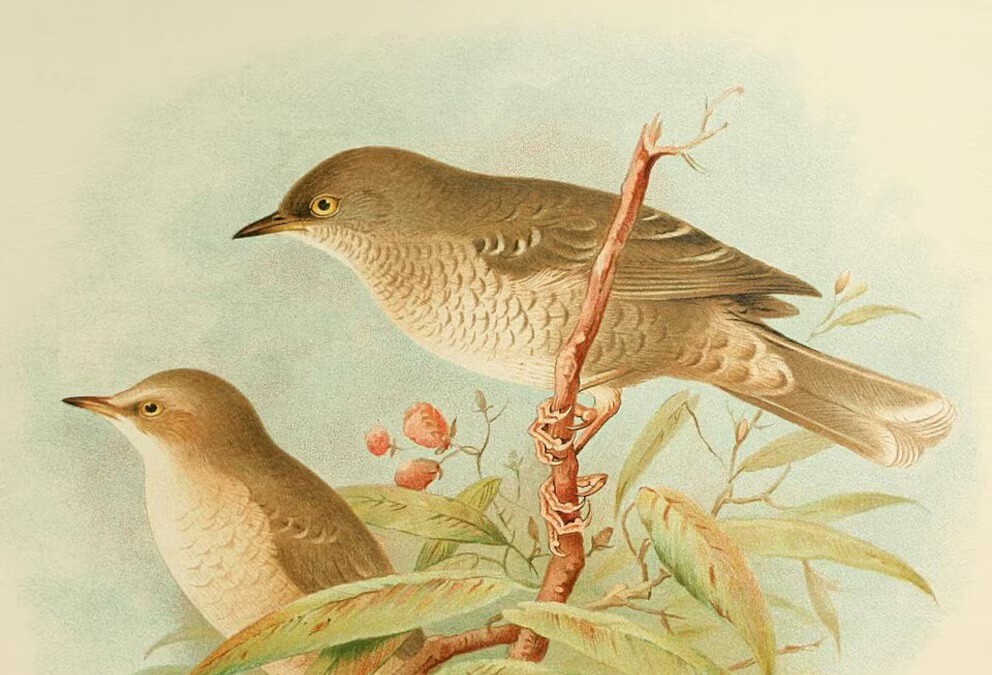
One observer described it as one of the rarest autumn sightings in Asturias. The news quickly spread among birdwatchers, drawing many to the park with cameras and telephoto lenses.
Why It Matters
The curruca gavilana is a small bird, measuring 15.5 cm in length with a wingspan of 23-27 cm. It weighs between 26 and 30 grams. The adult male has a slate-grey back and barred chest and flanks, resembling a sparrowhawk.
This sighting is significant because the species is rarely seen in Spain. It typically breeds in southern Europe and North Africa. Its appearance in Asturias is unusual and highlights the importance of urban parks as migratory corridors.
Who Is Affected?
The sighting has attracted birdwatchers from across Spain, boosting local tourism. Local businesses may benefit from the influx of visitors. However, the presence of many photographers could disturb the bird and other wildlife. The longer history behind the story is traced in Logitech Zone Vibe Pro: Repairable Headphones Launch in Spain.
It is essential for enthusiasts to maintain a respectful distance and avoid stressing the animal. Responsible birdwatching practices ensure that such rare events can be enjoyed without harming the birds. The background to this story is set out in Song Thrush Birdwatch: A Personal Connection to Nature. A related thread runs through Australia Vaccinates Captive Birds Against H5 Bird Flu. Earlier coverage in Bird Flu Threat: Which Australian Birds Are Most at Risk shows how the argument developed.
What to Watch Next
Birdwatchers should keep an eye on the park for further sightings. The curruca gavilana may stay for a few days before continuing its migration. Local authorities and ornithological groups may monitor the situation to protect the bird. A closer look at the same subject appears in Bird Flu Australia: Native Birds Most at Risk from H5N1. Anyone following the wider picture can start with H5 Bird Flu Causes Mass Deaths of 1,000+ Birds in Australia. The same theme surfaces in H5 Bird Flu Mass Mortality: Over 1,000 Birds Dead in Australia, which takes a different angle.
This event also underscores the value of urban green spaces for biodiversity. Parks like Aníbal Vázquez can serve as vital stopover points for migratory birds, offering food and shelter during their journeys. Context on how this played out before sits in Trending: latest articles. A companion piece, Amazon Luna Now on Fire TV in Spain: Cloud Gaming via Prime Video, approaches the same subject from another angle.
- The curruca gavilana is a rare visitor to Spain, with only 14 recorded sightings.
- The bird was spotted in Mieres, Asturias, on October 12 and 13.
- Its appearance has attracted birdwatchers and may boost local tourism.
- Responsible observation is crucial to avoid disturbing the bird.
- Urban parks play a key role in supporting migratory birds.
Comparison of Sightings
| Location | Number of Sightings | Year |
|---|---|---|
| Asturias | 4 | Various |
| Spain | 14 | Various |
FAQ
What is a curruca gavilana?
The curruca gavilana, or sardinian warbler, is a small bird found in southern Europe and North Africa. It is known for its distinctive barred plumage, resembling a sparrowhawk.
Why is this sighting significant?
This is only the 14th recorded sighting in Spain and the fourth in Asturias, making it a rare event that attracts birdwatchers.
How can I see the bird?
The bird was last seen in Aníbal Vázquez Park in Mieres. However, sightings are unpredictable, and visitors should respect the bird's space.
What should I do if I spot a rare bird?
Report the sighting to local ornithological groups and maintain a safe distance to avoid disturbing the bird. Avoid using flash photography.
Browse the Shop
 Acacia frida deluxe solid wood bed frame |
Bedroom bench |
Bed chest drawers |
Lingerie dresser |
Frame base |
Mirror with jewelry storage |
30 Bathroom Vanity |
Memory foam queen mattress |
Mattresses for back pain |
Nightstand set of 2 |
Grand Goldman Shop |
Civil Lawyer
Deutschland Trikot WM 2026










