

USB-C rechargeable batteries are gaining popularity as a convenient and eco-friendly alternative to traditional disposable batteries. Unlike standard rechargeable batteries that require a dedicated charger, these batteries feature a built-in USB-C port, allowing you to charge them with the same cable you use for your smartphone or other devices. This innovation simplifies the charging process and reduces the need for extra accessories.
For instance, the Enegon USB-C rechargeable batteries come in a pack of eight, including four AA and four AAA batteries, and cost €26.99. The pack also includes a USB-A cable with four USB-C ends, enabling you to charge four batteries simultaneously. This means you can power up multiple devices at once without waiting for each battery to charge individually.
Find Original Home Decor sparking conversation at Grand Goldman Shop.

What Are USB-C Rechargeable Batteries?
USB-C rechargeable batteries are designed with a USB-C port integrated into the battery itself. This allows you to plug them directly into a USB-C cable for charging, eliminating the need for a separate charging unit. They are available in common sizes like AA and AAA, making them suitable for a wide range of household devices.
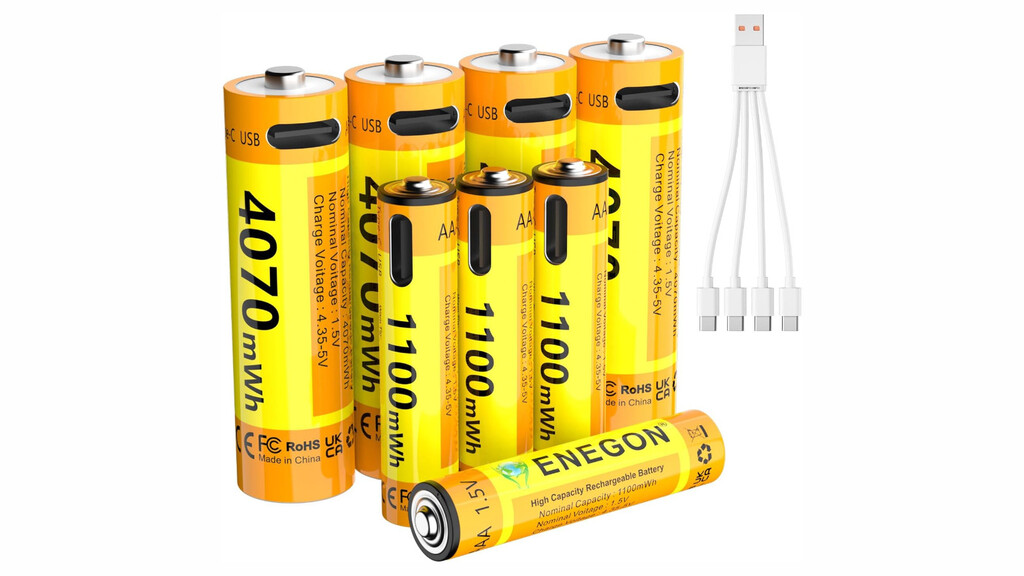
These batteries are particularly useful for devices that are used frequently, such as remote controls, radios, alarm clocks, and toys. By using rechargeable batteries, you can reduce the number of disposable batteries you go through, saving money in the long run and decreasing environmental waste.
Why USB-C Rechargeable Batteries Matter
The shift towards USB-C rechargeable batteries is significant for several reasons. First, they offer convenience: you can charge them almost anywhere using a standard USB-C cable, whether from a phone charger, a computer port, or a power strip with USB outlets. This flexibility means you're less likely to be caught with dead batteries and no charger.
Second, they are cost-effective. While the initial investment might be higher than disposable batteries, rechargeable batteries can be used hundreds of times, making them more economical over time. The Enegon pack, for example, provides eight batteries for €26.99, which is a reasonable price for rechargeable batteries with built-in USB-C ports.
Third, they are better for the environment. Disposable batteries contribute to landfill waste and can leak harmful chemicals. Rechargeable batteries reduce waste and are a more sustainable choice.
Key Features of USB-C Rechargeable Batteries
- Built-in USB-C port: Charge directly with a USB-C cable, no separate charger needed.
- Convenience: Use the same cable as your smartphone or other devices.
- Cost savings: Reusable hundreds of times, reducing long-term expenses.
- Eco-friendly: Less waste compared to disposable batteries.
- Multi-pack options: Often available in packs with multiple batteries and charging cables.
How USB-C Rechargeable Batteries Compare
When choosing between traditional rechargeable batteries and USB-C rechargeable batteries, consider the following comparison:
| Feature | Traditional Rechargeable Batteries | USB-C Rechargeable Batteries |
|---|---|---|
| Charging method | Requires dedicated charger | Charge with USB-C cable |
| Convenience | Need to carry charger | Use existing cables |
| Initial cost | Lower (batteries only) | Higher (includes USB-C ports) |
| Long-term cost | Low (reusable) | Low (reusable) |
| Environmental impact | Lower waste | Lower waste |
As the table shows, USB-C rechargeable batteries offer greater convenience by eliminating the need for a separate charger. While they may cost more upfront, they can be more practical for users who want to simplify charging.
Who Should Consider USB-C Rechargeable Batteries?
USB-C rechargeable batteries are ideal for anyone who uses battery-powered devices regularly. They are especially beneficial for households with children who have toys that require batteries, or for individuals who use remote controls, flashlights, or other gadgets daily. If you already own USB-C cables and chargers, these batteries can seamlessly integrate into your existing setup.
They are also a good choice for people who want to reduce their environmental footprint. By switching to rechargeable batteries, you can significantly decrease the number of batteries that end up in landfills. The background to this story is set out in Xbox Nano Controller: Compact 99g Wireless Gamepad With Rechargeable Battery. A related thread runs through Trending: latest articles. Earlier coverage in Silicon-Carbon Batteries: Why Phones Last Two Days shows how the argument developed.
What to Watch Next
As more companies adopt USB-C rechargeable battery technology, we can expect to see a wider variety of options and potentially lower prices. It's also worth watching for improvements in battery capacity and charging speed. Additionally, as USB-C becomes even more ubiquitous, the convenience of these batteries will only increase. A closer look at the same subject appears in Lidl's 20,000 mAh Fast-Charge Power Bank Drops Under 12 Euros. Anyone following the wider picture can start with Huawei FreeBuds SE 5 Max: 80-Hour Battery for Under 50 Euros. The same theme surfaces in EU Removable Phone Batteries Rule 2027: What It Means for You, which takes a different angle.
When considering USB-C rechargeable batteries, check the capacity (measured in mAh) to ensure they meet your device's needs. Also, look for batteries with built-in protection circuits to prevent overcharging and extend lifespan. The Enegon pack is a solid option, but compare with other brands to find the best fit for your requirements. Context on how this played out before sits in Ugreen FineTrack Duo: 4 Rechargeable Trackers for iOS and Android. A companion piece, USB-C Rechargeable Batteries: A Smart Alternative to Traditional Batteries, approaches the same subject from another angle.
FAQ
How do USB-C rechargeable batteries work?
USB-C rechargeable batteries have a built-in USB-C port that allows you to charge them directly with a USB-C cable. You simply plug the cable into the battery and a power source, such as a phone charger or computer, and the battery charges.
Are USB-C rechargeable batteries worth the investment?
Yes, they can be cost-effective over time because they are reusable hundreds of times. They also offer convenience and reduce waste, making them a worthwhile investment for frequent battery users.
Can I charge USB-C rechargeable batteries with any USB-C cable?
Generally, yes, as long as the cable and power source provide the appropriate voltage and current. It's best to use a reputable cable and charger to ensure safety and optimal charging.
How long do USB-C rechargeable batteries last?
The lifespan depends on usage and care, but most can be recharged hundreds of times. Following proper charging practices, such as not overcharging and storing them at room temperature, can help extend their life.
Browse the Shop
 Acacia frida deluxe solid wood bed frame |
Bedroom bench |
Bed chest drawers |
Lingerie dresser |
Frame base |
Mirror with jewelry storage |
30 Bathroom Vanity |
Memory foam queen mattress |
Mattresses for back pain |
Nightstand set of 2 |
Grand Goldman Shop |
Civil Lawyer
Deutschland Trikot WM 2026







