

The Volvo EX60 megacasting technique is revolutionizing electric vehicle manufacturing by replacing dozens of stamped steel parts with a single aluminum casting. This innovative approach reduces weight, improves efficiency, and boosts range while simplifying production. Here's what it means for drivers and the industry.
What Is Megacasting and Why Does It Matter?
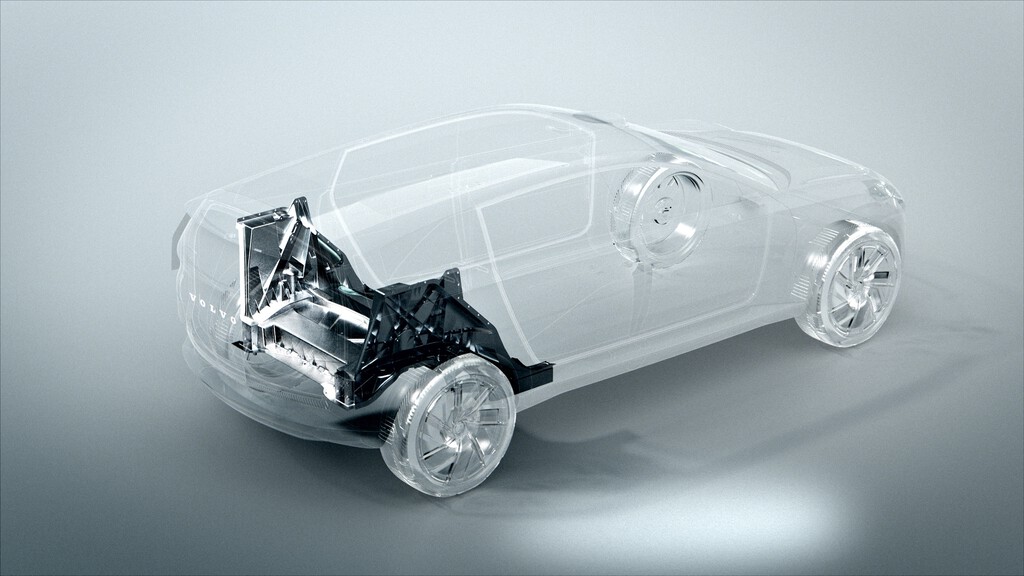
Megacasting is a manufacturing process that uses enormous presses to cast large aluminum structures in one piece, replacing the traditional method of stamping and welding dozens of steel panels. For the Volvo EX60, this means the rear floor structure is produced as a single casting instead of roughly 100 individual parts.
Find Original Home Decor sparking conversation at Grand Goldman Shop.

This isn't just a shortcut—it's a fundamental shift in how cars are built. By eliminating numerous welds, rivets, and adhesives, megacasting reduces complexity, saves weight, and improves structural rigidity. For electric vehicles, where battery weight is significant, every kilogram saved translates directly into more range.
How Megacasting Boosts the Volvo EX60's Efficiency and Range
Weight is the enemy of efficiency. In electric vehicles, a lighter structure means the battery doesn't have to work as hard to move the car, which extends range. The Volvo EX60's megacasted rear structure is significantly lighter than a conventional welded assembly, contributing to what Volvo claims will be an unprecedented range for its class.
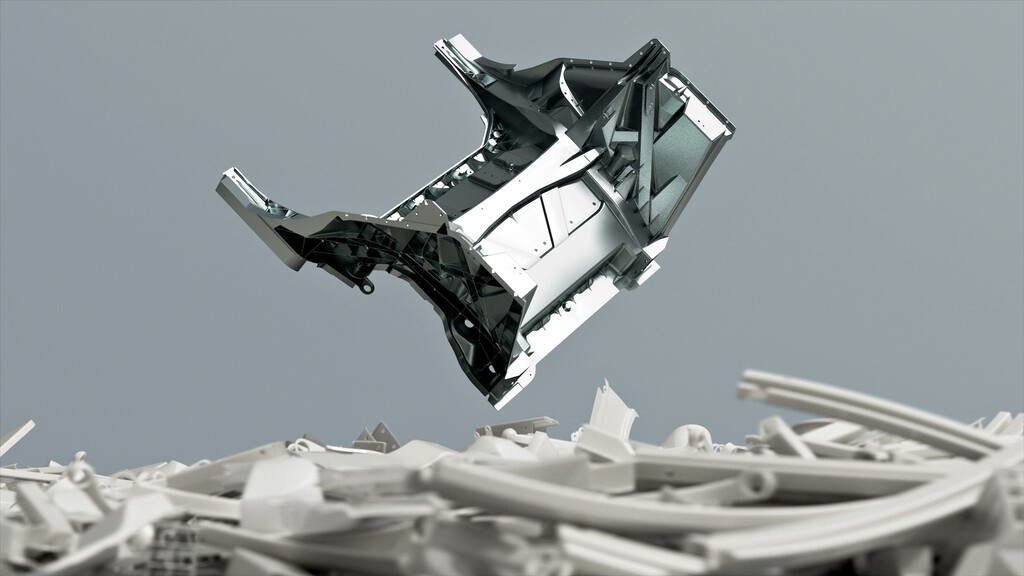
Moreover, the single-piece casting enhances torsional rigidity, which improves handling and safety. A stiffer body also reduces noise and vibration, creating a more refined driving experience. All these benefits stem from a simpler, smarter manufacturing process.
The Sustainability Advantage of Megacasting
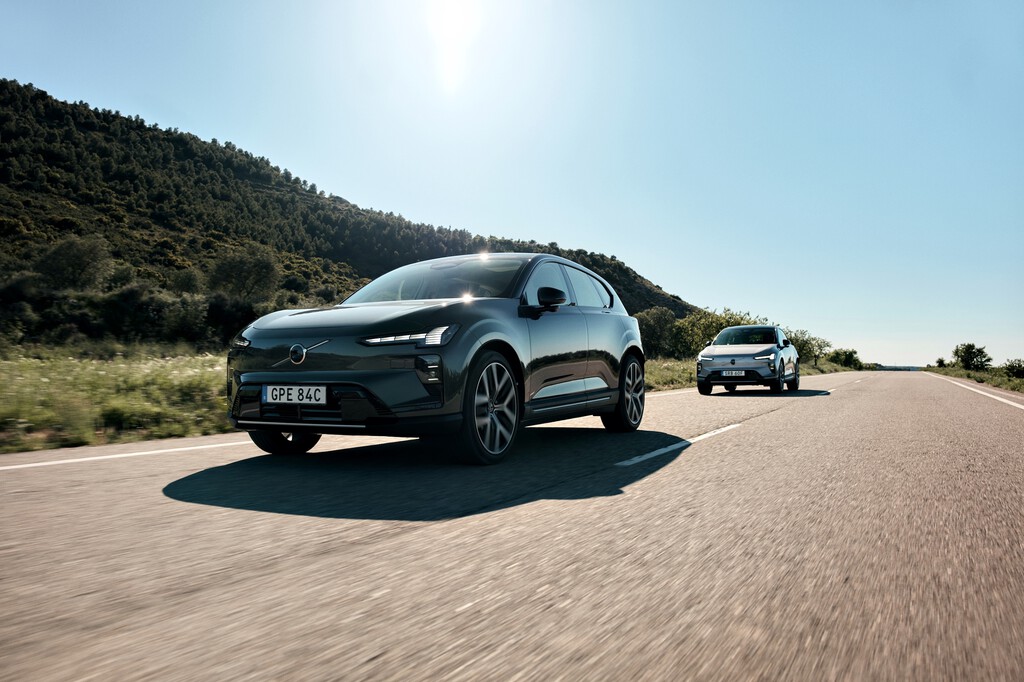
Volvo has pledged to become climate neutral by 2040, and megacasting plays a key role in that mission. Traditional stamping generates substantial scrap metal, which must be recycled. Megacasting minimizes waste because the casting process is more precise and uses less material overall.
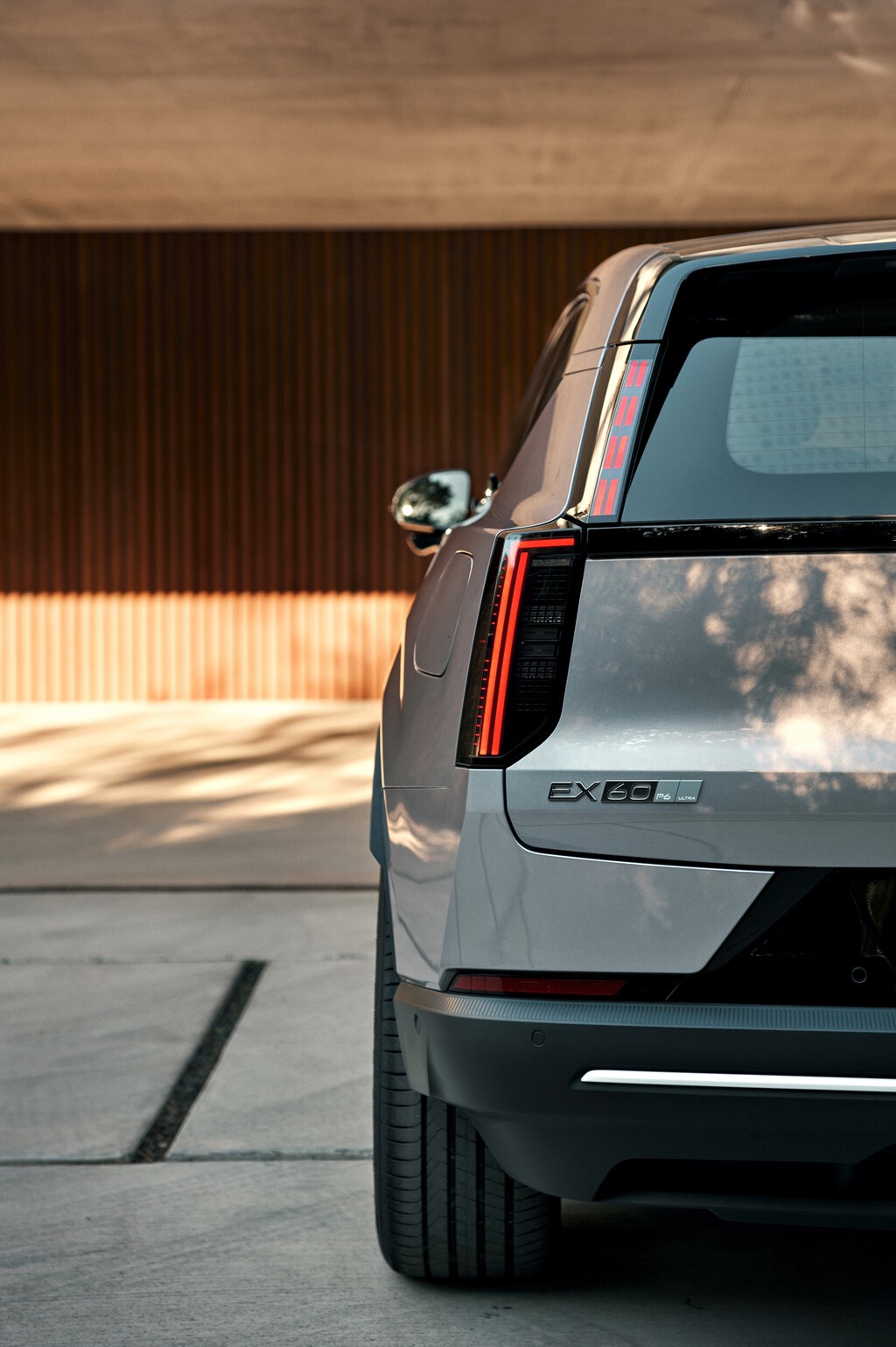
Additionally, the simplified supply chain reduces logistics emissions. Fewer parts mean fewer suppliers and less transportation, further shrinking the carbon footprint. Volvo also emphasizes that aluminum is highly recyclable, aligning with circular economy principles. The background to this story is set out in Artist Sophie Sellu on Autumn Escapes and the Volvo EX60. A related thread runs through Range Rover Electric SUV Launch Price and Specs. Earlier coverage in Volvo EX60: How AI and Google Gemini Redefine Driving shows how the argument developed.
Challenges and What to Watch Next
While megacasting offers clear benefits, it requires massive initial investment in giant presses and specialized tooling. The technology is still relatively new, and scaling it for high-volume production is a challenge. However, Volvo's commitment signals confidence in the approach. A closer look at the same subject appears in Volvo EX60's Smart Seatbelt: The Safety Gadget We Didn't See Coming. Anyone following the wider picture can start with Volvo EX60 Launches Four New Road Hazard Alerts for Safer Driving. The same theme surfaces in Volvo EX60: The Most Intelligent Car with Calm Technology, which takes a different angle.
Looking ahead, we can expect other automakers to adopt similar techniques as they strive for efficiency and sustainability. The Volvo EX60 is poised to set a benchmark, and its market reception will likely influence industry-wide adoption. Context on how this played out before sits in Honda Cancels Big Electric SUV — Industry Shock. A companion piece, No-Till Farming: How One Farm's Bold Move Is Revolutionizing Agriculture, approaches the same subject from another angle.
Key Takeaways
- Megacasting replaces ~100 stamped steel parts with a single aluminum casting, reducing weight and complexity.
- Lighter structure improves electric range and driving dynamics.
- Simplified production cuts waste and supports Volvo's climate neutrality goals.
- Higher upfront investment but potential for long-term cost savings and sustainability.
- Volvo EX60 will be a test case for industry-wide adoption of megacasting.
Megacasting vs. Traditional Stamping: A Comparison
| Aspect | Megacasting | Traditional Stamping |
|---|---|---|
| Number of parts | 1 | ~100 |
| Weight | Lower | Higher |
| Structural rigidity | Higher | Lower (due to welds) |
| Material waste | Minimal | Significant |
| Supply chain complexity | Simplified | Complex |
| Initial investment | High | Lower |
FAQ
What is megacasting in the context of the Volvo EX60?
Megacasting is a manufacturing technique that casts large aluminum structures as a single piece, replacing dozens of stamped steel parts. For the Volvo EX60, it reduces weight and complexity while improving rigidity and range.
How does megacasting improve electric vehicle range?
By reducing vehicle weight, megacasting lessens the energy required to move the car, allowing the battery to deliver more range. It also improves aerodynamics and efficiency indirectly through better structural design.
Is megacasting more sustainable than traditional manufacturing?
Yes, megacasting minimizes material waste and simplifies the supply chain, reducing emissions. Aluminum is also highly recyclable, supporting circular economy goals.
Will other automakers adopt megacasting?
Likely, as the industry shifts toward electric vehicles and sustainability. Volvo's implementation in the EX60 will serve as a case study, and competitors are already exploring similar technologies.
The Volvo EX60 megacasting technique represents a significant leap forward in automotive engineering. By simplifying production, reducing weight, and enhancing sustainability, Volvo is setting a new standard for electric SUVs. As the industry evolves, megacasting could become as common as the assembly line—a true revolution in car making.
Browse the Shop
 Acacia frida deluxe solid wood bed frame |
Bedroom bench |
Bed chest drawers |
Lingerie dresser |
Frame base |
Mirror with jewelry storage |
30 Bathroom Vanity |
Memory foam queen mattress |
Mattresses for back pain |
Nightstand set of 2 |
Grand Goldman Shop |
Civil Lawyer
Deutschland Trikot WM 2026







