

The Rubia Gallega cattle breed is disappearing even as its reputation as a premium beef producer grows worldwide. Registered purebred numbers have fallen from around 66,000 in 2013 to roughly 31,000 today—a decline of nearly half in just a decade.
This paradox sits at the heart of the breed's story: the more international chefs and consumers demand its beef, the fewer pure animals remain in its native Galicia. Alberto Hermida, president of the Asociación Gandeira Rubia Galega do País, puts it bluntly: finding a truly pure animal today requires sifting through hundreds.
Find Original Home Decor sparking conversation at Grand Goldman Shop.

What Defines a Pure Rubia Gallega?
According to the official breed standard, a Rubia Gallega must have a coat that ranges from blonde to wheat-colored or cinnamon, with unpigmented skin and mucous membranes. The horns must sit in a characteristic position, the back must be straight, the rump convex, and the udder well-formed.
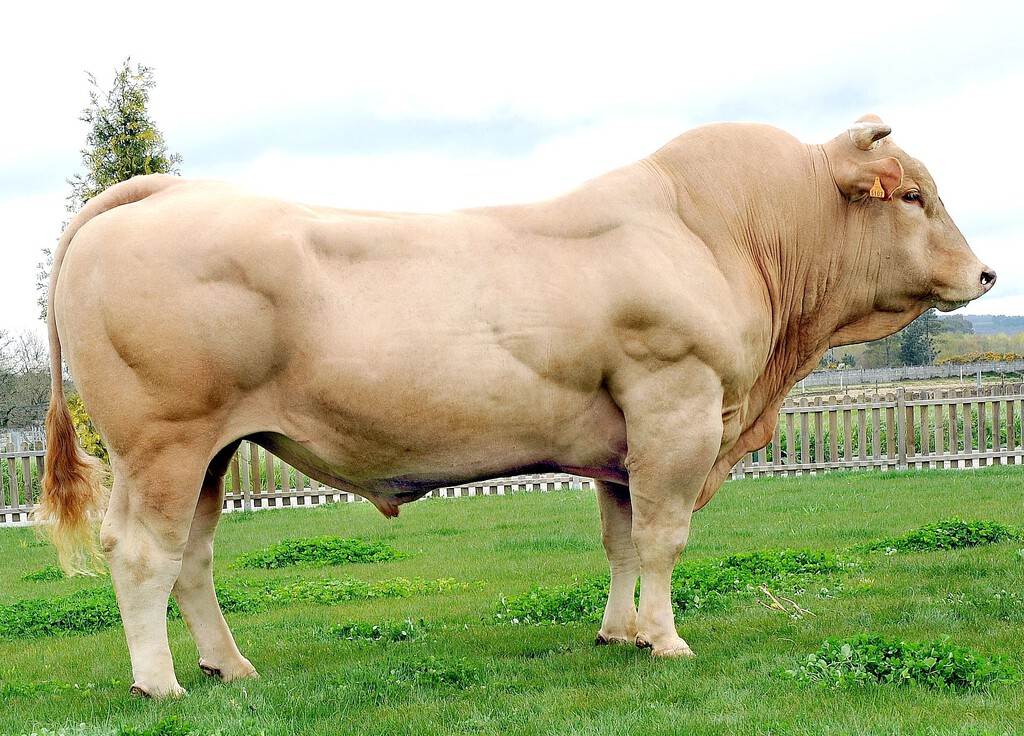
Functionally, purebreds are also prized for their ease of calving and mothering ability. Farmers report that up to 90% of purebred cows calve without complications, compared to only about 60% for crossbreeds. These traits make purity both a mark of quality and a practical advantage.
A Breed with Ancient Roots
The breed's origins trace back to around 500 BC, according to its official record. For centuries, it served triple duty: pulling the plow, producing milk, and yielding meat. That changed between the 1960s and 1980s, when mechanization retired it from fieldwork.
Since then, Rubia Gallega has been selected primarily for beef, and its reputation has spread far beyond Spain's borders. Yet the population continues to shrink—a contradiction that puzzles breeders and food lovers alike.
Why Purity Is Both a Strength and a Weakness
The very traits that make Rubia Gallega special also make it harder to sustain. Purebreds are harder to find, and crossbreeding with other cattle can dilute the genetic distinctiveness that gives the meat its character. As demand rises, the temptation to crossbreed grows, further threatening the pure gene pool.
At the same time, the global market rewards consistency and volume—two things a small, scattered population struggles to deliver. The breed's fame abroad has not translated into a larger herd at home.
- Population halved: Registered purebreds fell from ~66,000 in 2013 to ~31,000 today.
- High calving ease: Up to 90% unassisted births in purebreds vs. 60% in crossbreeds.
- Ancient lineage: Origins date back to 500 BC, with historical roles in plowing, milk, and meat.
- Global demand: International chefs prize the beef, yet local numbers decline.
- Purity paradox: The breed's excellence is tied to genetic purity, which is increasingly rare.
What the Numbers Say
The decline is stark when set against the breed's growing prestige. The table below compares key data points from the past decade.
| Metric | 2013 | Current (approx.) |
|---|---|---|
| Registered purebred animals | 66,000 | 31,000 |
| Calving ease (purebred) | Up to 90% | Up to 90% |
| Calving ease (crossbred) | ~60% | ~60% |
| Primary use | Beef (since 1980s) | Beef |
These figures highlight a breed that is becoming a victim of its own success. As more people discover Rubia Gallega, the pressure on pure genetics intensifies. Context on how this played out before sits in Rubia Gallega Cattle Breed Is Disappearing Despite Global Fame.
Who Is Affected by the Decline?
Galician farmers bear the immediate impact. Many rely on the breed for their livelihoods, and a shrinking gene pool makes it harder to maintain healthy, productive herds. Restaurants and consumers who have come to value the meat also face potential supply shortages and higher prices. The background to this story is set out in Trending: latest articles. A related thread runs through Best Amazon Fire TV 2026: Which to Buy and 5 Models Ranked.
Beyond economics, the loss of genetic diversity is a concern for agriculture as a whole. Once a breed's pure lines are lost, they cannot be recovered. The association and its members are working to reverse the trend, but the challenge is significant. Earlier coverage in Almazán Palace Collapse: Mayor Warned for Years Before 15th-Century Fall shows how the argument developed. A closer look at the same subject appears in Action's Werckmann Power Strip: 14.95 Euros for Outdoor Use.
The Road Ahead
What happens next depends on whether the breed can be made economically viable for a new generation of farmers. Support for purebred registration, marketing that emphasizes authenticity, and perhaps subsidies could help. Without such efforts, the Rubia Gallega may continue its slow fade from the fields of Galicia. Anyone following the wider picture can start with Spain's Vineyards Are Disappearing: Can Genetic Engineering Save Wine. The same theme surfaces in ASUS ProArt P14 and P16: NVIDIA RTX Spark for Local AI, which takes a different angle.
FAQ
Why is the Rubia Gallega breed disappearing?
The breed is declining because purebred animals are increasingly rare, and crossbreeding dilutes the gene pool. Despite growing international demand for its beef, the number of registered purebreds has halved in a decade.
What makes Rubia Gallega beef special?
Its genetic purity is linked to exceptional functional traits, such as ease of calving and mothering ability, as well as the meat's distinctive quality. The breed's ancient lineage and triple-purpose history add to its prestige.
How many pure Rubia Gallega cattle remain?
As of the latest data, around 31,000 purebred animals are registered in the genealogical book—down from approximately 66,000 in 2013.
Can the decline be reversed?
It is possible if farmers receive support to maintain purebred lines and if the market values authenticity enough to pay a premium. However, without coordinated efforts, the trend is likely to continue.
Browse the Shop
 Acacia frida deluxe solid wood bed frame |
Bedroom bench |
Bed chest drawers |
Lingerie dresser |
Frame base |
Mirror with jewelry storage |
30 Bathroom Vanity |
Memory foam queen mattress |
Mattresses for back pain |
Nightstand set of 2 |
Grand Goldman Shop |
Civil Lawyer
Deutschland Trikot WM 2026







