

Ferrari is experiencing a significant demographic shift as millennials and Gen Z now account for 40% of new Ferrari buyers in 2024, according to CEO Benedetto Vigna. This marks a notable increase from 30% the previous year, highlighting a generational change in the luxury car market.
The surge is largely attributed to the Great Wealth Transfer, where younger generations are inheriting substantial fortunes from older family members. This influx of wealth is reshaping the customer base for high-end brands like Ferrari.
Find Original Home Decor sparking conversation at Grand Goldman Shop.

Why Younger Buyers Are Flocking to Ferrari
Traditionally, Ferrari's clientele consisted of older, successful entrepreneurs and collectors. However, the brand is now attracting a younger, wealthier demographic. Vigna noted a "great interest from younger customers," emphasizing that this is a global trend transforming how luxury brands engage with their audience.
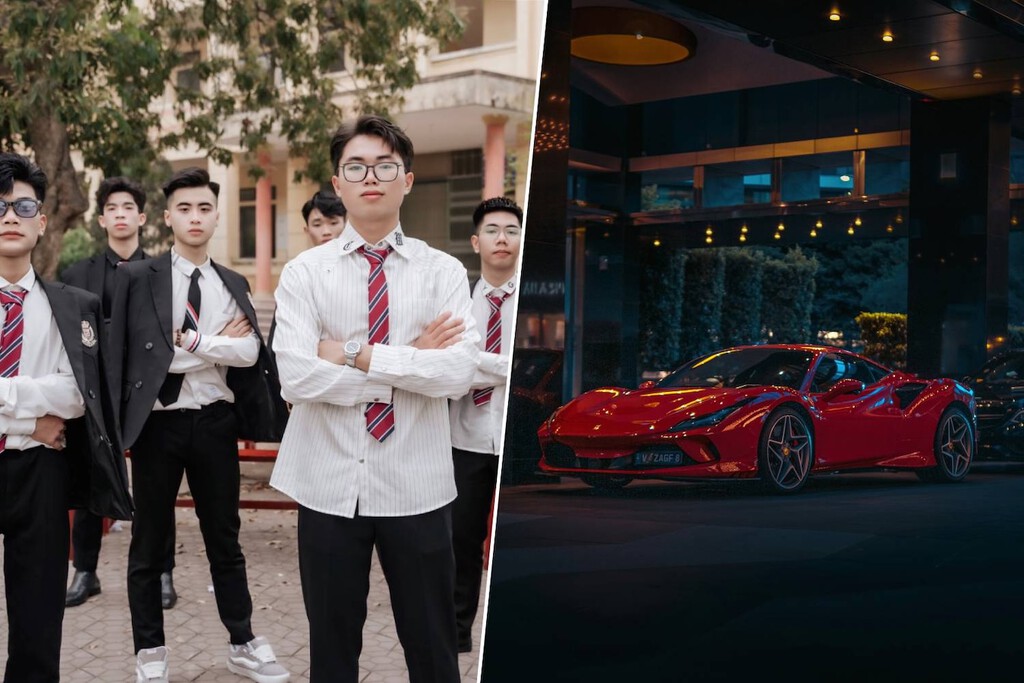
Several factors contribute to this shift. First, the transfer of wealth is enabling millennials and Gen Z to afford luxury vehicles earlier in life. Second, changing attitudes toward luxury goods—where experiences and status symbols are valued—are driving younger consumers to brands like Ferrari. Finally, Ferrari's efforts to modernize its image, including sustainability initiatives and digital engagement, are resonating with younger audiences.
The Great Wealth Transfer and Its Impact
The Great Wealth Transfer refers to the massive transfer of assets from baby boomers to younger generations, estimated to be tens of trillions of dollars over the coming decades. This transfer is already influencing spending patterns in luxury markets.
For Ferrari, this means a growing pool of young, affluent buyers who are not just purchasing cars but also engaging with the brand's lifestyle offerings. As Vigna pointed out, this demographic shift is a global phenomenon, and Ferrari is well-positioned to capitalize on it.
Ferrari's Strategy to Attract Younger Customers
Ferrari has been proactive in appealing to younger buyers. The company has expanded its model lineup to include more accessible models like the Roma and Portofino, which appeal to a broader audience. Additionally, Ferrari has invested in digital marketing and experiential events to connect with younger enthusiasts.
Moreover, Ferrari's commitment to sustainability, with plans for its first electric vehicle, aligns with the values of younger generations who prioritize environmental responsibility. These efforts are crucial in maintaining brand relevance and attracting new customers.
What This Means for the Luxury Car Market
The shift toward younger buyers is not unique to Ferrari; other luxury automakers are also witnessing similar trends. However, Ferrari's strong brand equity and exclusivity give it a unique advantage. As younger generations come into wealth, they are likely to seek out brands that offer both heritage and innovation. The background to this story is set out in Rolls-Royce Custom Craze Drives £300m Expansion and Younger Buyers. A related thread runs through Ferrari 599 GTB Transformed Into Unique Daytona Shooting Brake Tribute. Earlier coverage in Police Officer Drives £3.7m Ferrari Seized in Met Crackdown shows how the argument developed.
For competitors, this trend signals the need to adapt their marketing and product strategies to appeal to a younger demographic. The luxury car market is becoming more dynamic, and brands that fail to engage with younger consumers risk losing market share. A closer look at the same subject appears in Why Retro Gaming Remakes Are Winning Over Millennials in 2026. Anyone following the wider picture can start with Property Ladder Tricks: Millennials and the Housing Crisis. The same theme surfaces in Iced Coffee at Job Interviews: Gen Z Professionalism Debate, which takes a different angle.
Key Takeaways
- Millennials and Gen Z now represent 40% of Ferrari's new buyers, up from 30% the previous year.
- The Great Wealth Transfer is a major driver, as younger generations inherit wealth and spend on luxury goods.
- Ferrari is adapting its strategy with more accessible models and sustainability initiatives to attract younger customers.
- This demographic shift is a global trend affecting the entire luxury car market.
- Brands must engage with younger consumers to stay relevant and competitive.
Comparison of Ferrari Buyer Demographics
| Year | Under 40 Buyers (%) | Over 40 Buyers (%) |
|---|---|---|
| 2023 | 30% | 70% |
| 2024 | 40% | 60% |
The table illustrates the rapid increase in younger buyers, underscoring the impact of the wealth transfer and Ferrari's evolving appeal. Context on how this played out before sits in Ferrari Luce Auction: Electric Car Sells for $40 Million. A companion piece, Lewis Hamilton Backs Vasseur but Ferrari Leadership Could Change, approaches the same subject from another angle.
FAQ
Why are millennials and Gen Z buying more Ferraris?
Millennials and Gen Z are buying more Ferraris primarily due to the Great Wealth Transfer, where they inherit significant wealth from older generations. Additionally, changing attitudes toward luxury and Ferrari's efforts to modernize its brand appeal to younger consumers.
What is the Great Wealth Transfer?
The Great Wealth Transfer refers to the large-scale transfer of assets from baby boomers to younger generations, estimated to be tens of trillions of dollars over the next few decades. This transfer is already impacting luxury markets.
How is Ferrari attracting younger customers?
Ferrari is attracting younger customers through a combination of more accessible models like the Roma and Portofino, digital engagement, and sustainability initiatives, including plans for an electric vehicle.
What does this mean for the luxury car market?
This shift indicates that luxury car brands must adapt to appeal to younger demographics. Brands that fail to engage with millennials and Gen Z risk losing market share as wealth transfers to younger generations.
Browse the Shop
 Acacia frida deluxe solid wood bed frame |
Bedroom bench |
Bed chest drawers |
Lingerie dresser |
Frame base |
Mirror with jewelry storage |
30 Bathroom Vanity |
Memory foam queen mattress |
Mattresses for back pain |
Nightstand set of 2 |
Grand Goldman Shop |
Civil Lawyer
Deutschland Trikot WM 2026







