

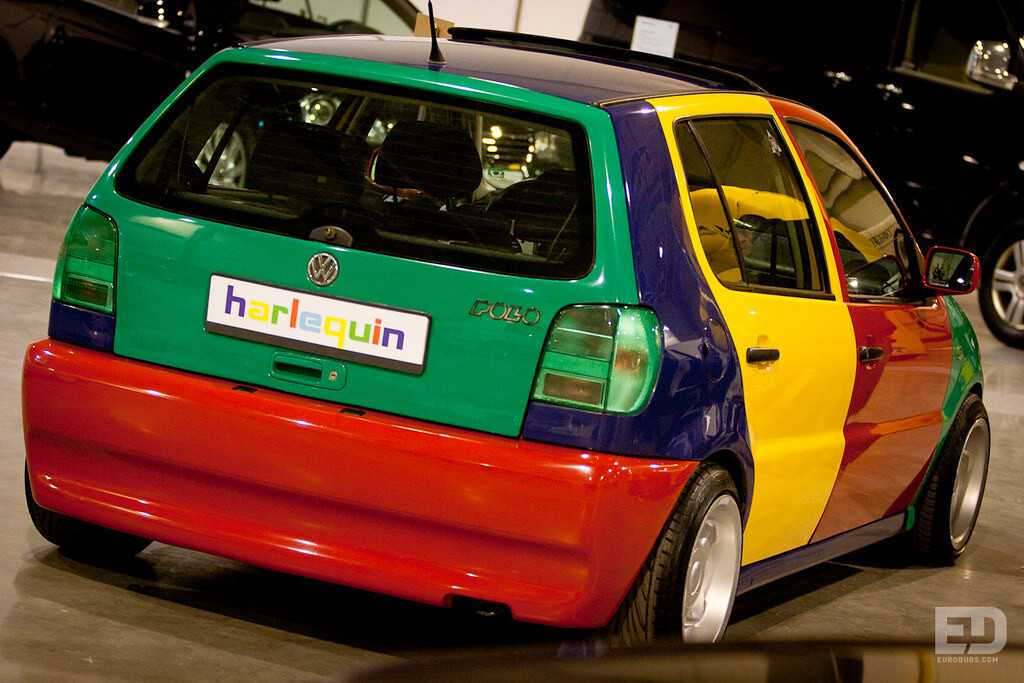
The 1995 Volkswagen Polo Harlequin is a legendary example of a marketing campaign that took on a life of its own. Originally created as a visual aid to explain the new customization options for the Polo, the multicolored car was never intended for production. But customers had other ideas, and the Harlequin became one of the most recognizable and beloved cult classics of the 1990s.
The Backstory: A Simple Campaign with a Clear Message
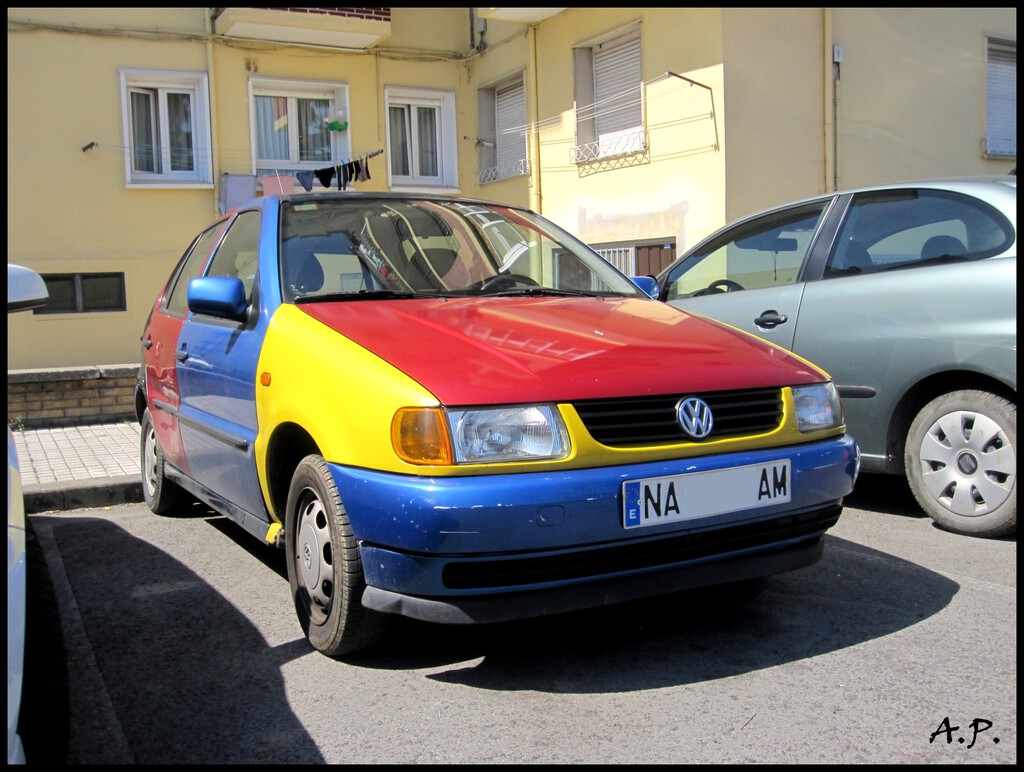
In 1995, Volkswagen launched the third-generation Polo with a groundbreaking concept: for the first time, buyers could mix and match engines and trim levels freely. To illustrate this flexibility, the company devised a clever visual metaphor. Each trim package was assigned a distinct color, and a small batch of Polos was painted with body panels in four different colors.
Find Original Home Decor sparking conversation at Grand Goldman Shop.

The message was unambiguous: "This Polo is not for sale." The cars were meant to be eye-catching demonstrators, not production models. But the campaign's quirky appearance struck a chord with the public in ways Volkswagen never anticipated.
When Customers Ignored the Message
Instead of focusing on the new customization options, dealership visitors became fixated on the multicolored car itself. They began asking how they could buy one, ignoring the clear disclaimer. The demand grew so steadily that Volkswagen had to take notice.
What started as a playful marketing tool quickly turned into a commercial opportunity. The company crunched the numbers and realized that producing a limited run of the Harlequin could be profitable. Thus, the car that was never supposed to exist entered production.
The Harlequin Hits the Road
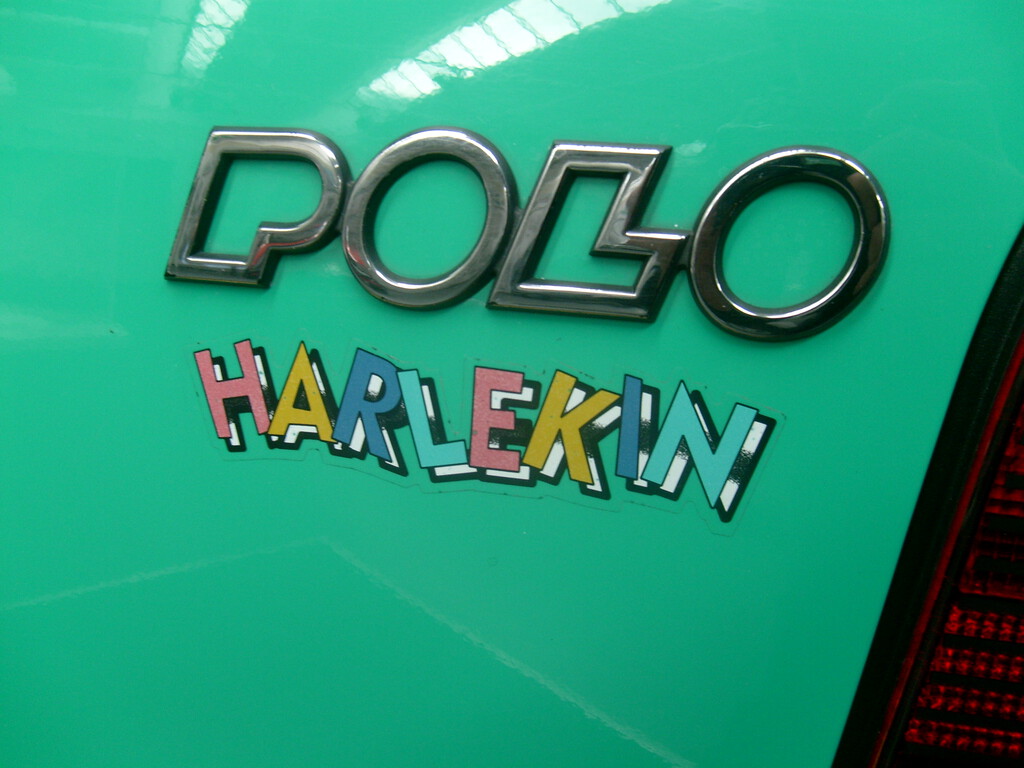
Volkswagen eventually built around 3,800 units of the Polo Harlequin, each featuring a unique combination of four colors: Flash Red, Ginster Yellow, Pistachio Green, and Chagall Blue. The cars were assembled with panels from different color batches, ensuring that no two were exactly alike in their panel arrangement. Context on how this played out before sits in The 1995 VW Polo Harlequin: The Colorful Car That Was Never Meant to Be Sold.
The Harlequin was an instant hit among enthusiasts. Its playful appearance and limited availability made it an instant collectible. Today, it remains a symbol of how a simple idea can capture the public imagination and reshape a brand's history. The background to this story is set out in Car: latest articles. A related thread runs through Alfa Romeo Design Chief: Big Screens? Buy Something Else.
Key Takeaways from the Harlequin Saga
- Unintended demand: Customers often want what they're told they can't have, even if it's meant as a joke.
- Marketing gone viral: The campaign succeeded in drawing attention, but not for the intended reason.
- Agility pays off: Volkswagen's willingness to listen and adapt turned a mistake into a profitable venture.
- Cult status: The Harlequin's limited production and distinctive look cemented its place in automotive history.
- Lesson for brands: Be careful what you put in front of customers—they might just demand it.
Harlequin by the Numbers
| Specification | Details |
|---|---|
| Production Year | 1995 |
| Units Produced | Approximately 3,800 |
| Colors | Flash Red, Ginster Yellow, Pistachio Green, Chagall Blue |
| Base Model | Volkswagen Polo III |
| Engine Options | Various, including 1.0L, 1.3L, 1.4L, and 1.6L |
Why the Harlequin Still Matters
The Polo Harlequin is more than just a quirky footnote in Volkswagen's history. It represents a rare moment when a brand's playful side resonated with the public and led to an unexpected production run. It also highlights the importance of listening to customers, even when they ask for something you never planned to offer. Earlier coverage in Car Prices Surge: The RAM Shortage Crisis Explained shows how the argument developed. A closer look at the same subject appears in Jaguar E-Type Width Correction: 2 Metres Is 6ft 7in, Not 6ft 5in.
Today, the Harlequin is a sought-after collectible, with well-preserved examples commanding premium prices. Its story is a reminder that sometimes the best ideas come from the most unlikely places—and that a sense of humor can be a powerful marketing tool. Anyone following the wider picture can start with What Makes a Vehicle a Lemon in Nevada: 5 Rules Most Owners Miss. The same theme surfaces in Why Cabin Space Is the Key Factor for Electric Cars in 2026, which takes a different angle.
FAQ
Why was the Volkswagen Polo Harlequin created?
The Harlequin was originally a visual aid to demonstrate the new customization options for the 1995 Polo. Each color represented a different trim level, and the multicolored cars were meant to show how buyers could mix and match features.
How many Polo Harlequins were made?
Volkswagen produced approximately 3,800 units of the Polo Harlequin, each with a unique combination of four colors.
What colors were available on the Harlequin?
The Harlequin featured four colors: Flash Red, Ginster Yellow, Pistachio Green, and Chagall Blue. These were arranged in various patterns across the body panels.
Is the Polo Harlequin a collectible car today?
Yes, the Harlequin is highly sought after by collectors due to its limited production run and unique appearance. Well-maintained examples can fetch significant prices.
Browse the Shop
 Acacia frida deluxe solid wood bed frame |
Bedroom bench |
Bed chest drawers |
Lingerie dresser |
Frame base |
Mirror with jewelry storage |
30 Bathroom Vanity |
Memory foam queen mattress |
Mattresses for back pain |
Nightstand set of 2 |
Grand Goldman Shop |
Civil Lawyer
Deutschland Trikot WM 2026







