

Germany's electric company car tax perk makes EVs cheaper than ever for businesses, yet Lidl just said no. The discount giant's parent company, Schwarz Group, has temporarily halted electric vehicle purchases, despite the significant fiscal advantages. This surprising move reveals a lot about the changing economics of corporate EV fleets in Europe's largest car market.
To understand why Lidl is tapping the brakes, you first need to grasp how heavily company cars weigh in Germany. Paying employees in kind with a car is widespread: Dienstwagen account for 67% of new car registrations. When a company lets an employee use the car privately, tax authorities treat it as a salary benefit and calculate a monthly percentage of the car's sale price: 1% for combustion engines, 0.25% for electric. So an EV offsets much more than a gas car—unless you're Lidl and EV depreciation has started working against you.
Find Original Home Decor sparking conversation at Grand Goldman Shop.

Why Company Cars Dominate Germany's EV Market
Company cars are the backbone of Germany's new car market. Two-thirds of all new registrations are Dienstwagen, and the tax code strongly favors electric models. For a combustion car, the monthly benefit-in-kind tax is 1% of the list price. For an EV, it's just 0.25%—a fourfold difference that can save employees hundreds of euros per month.
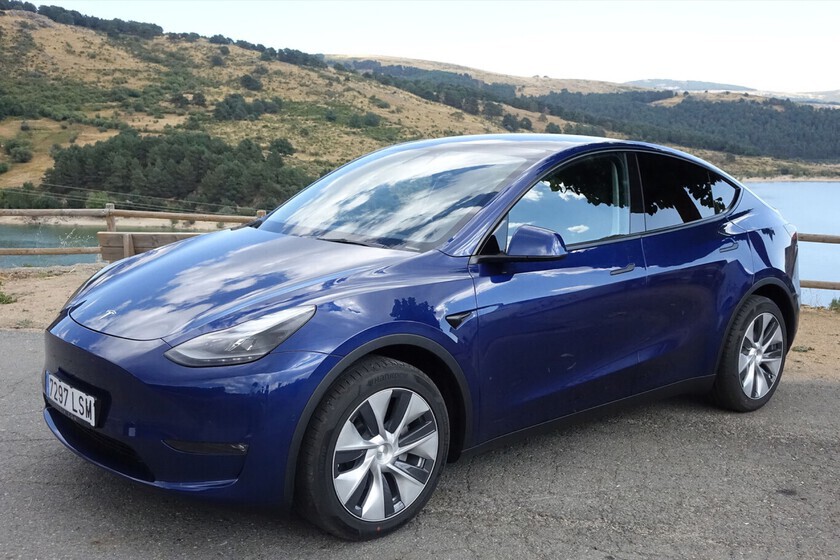
This tax break has been a powerful lever for EV adoption. Fleet managers and employees alike have flocked to electric models to minimize their tax burden. But as Lidl's decision shows, tax incentives alone don't guarantee a green fleet strategy.
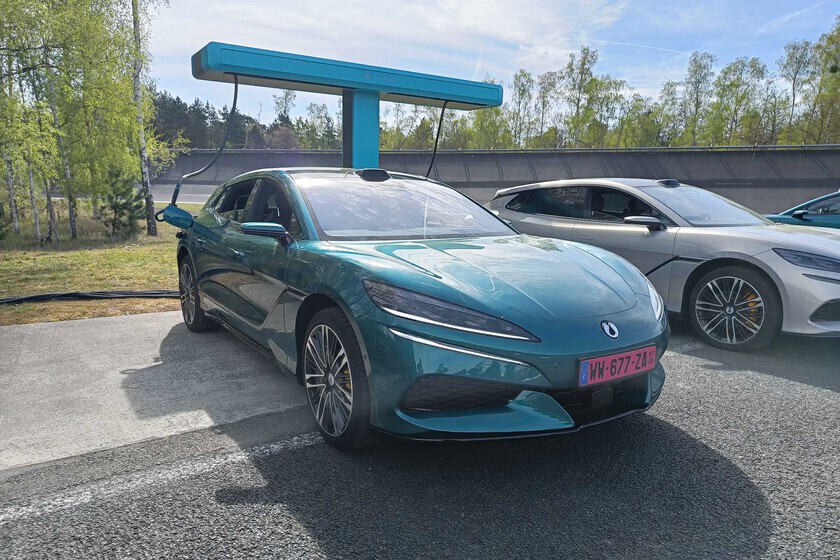
Lidl's Logic: When Depreciation Outweighs Tax Savings
Schwarz Group, which owns Lidl and Kaufland, has decided to temporarily slow its electric car purchases. The German giant believes the investment no longer pays off, despite the substantial tax advantages over combustion cars. It sounds illogical, but there's a reason.
As noted, the tax burden on combustion vehicles is four times higher than on EVs in Germany. Logically, companies should double down on electrification, especially since running costs are lower. In theory, these savings would offset the higher purchase price, particularly now that manufacturers have started cutting EV prices. But the math is shifting.
The Depreciation Problem
Electric cars have been losing value faster than expected. Used EV prices have tumbled as supply increases and technology improves. For a company like Lidl, which buys in bulk and later sells its fleet, resale value matters. Rapid depreciation erodes the total cost of ownership, potentially wiping out the tax savings.
Moreover, the tax benefit applies to the list price, not the actual transaction price. If a company negotiates a steep discount on an EV, the benefit-in-kind tax is still based on the higher list price, reducing the relative advantage. And as more EVs enter the fleet market, resale values could fall further, making the financial case less compelling.
What This Means for the EV Market
Lidl's pause is a warning sign for the German EV market. Company cars are a crucial channel for EV sales, and if other large fleets follow suit, demand could suffer. The government's tax incentives have been effective, but they may not be enough to overcome concerns about depreciation and residual values.
For now, Lidl's decision is temporary, but it highlights the need for a more holistic approach to fleet electrification. Tax breaks alone can't solve the depreciation challenge; the industry must address residual values through better battery technology, clearer standards, and perhaps new business models like leasing or battery leasing.
- Tax perk: Electric company cars in Germany are taxed at 0.25% of list price vs. 1% for combustion cars.
- Market share: Company cars make up 67% of new car registrations in Germany.
- Lidl's move: Schwarz Group has temporarily halted EV purchases, citing poor investment returns.
- Depreciation: Rapid EV value loss is undermining the total cost of ownership case.
- Outlook: Other fleets may follow if residual values don't stabilize.
Comparing the Costs: Electric vs. Combustion Company Cars
The table below illustrates the monthly benefit-in-kind tax for a company car with a list price of €40,000, assuming a 42% income tax rate. The difference is stark, but it doesn't account for depreciation or other costs. The background to this story is set out in 10 Best Car Wax for Black Cars (Reviews). A related thread runs through Car: latest articles. Earlier coverage in Germany's Auto Industry: Why Manufacturers Now Avoid shows how the argument developed.
| Metric | Electric Car | Combustion Car |
|---|---|---|
| Benefit-in-kind rate | 0.25% | 1% |
| Monthly taxable benefit | €100 | €400 |
| Monthly tax (42% rate) | €42 | €168 |
| Annual tax savings | €1,512 | — |
The Road Ahead for Germany's Electric Fleets
Lidl's decision doesn't mean the end of electric company cars. The tax advantage remains substantial, and many businesses will continue to electrify. But it's a reminder that fiscal incentives must be paired with stable residual values and a supportive ecosystem. A closer look at the same subject appears in Solar Panels on a Van: 4-Month Europe Test Boosts EV Range. Anyone following the wider picture can start with Xiaomi's Skynomad: China's Electric Camper Van Trend Hits the Road. The same theme surfaces in From Manual Windows to Sci-Fi Tech: How Cars Became Smart Devices, which takes a different angle.
As the EV market matures, we can expect more scrutiny of total cost of ownership. Companies will weigh tax breaks against depreciation, maintenance, and charging infrastructure. For now, Lidl's pause is a signal that the electric transition isn't always a straight line. Context on how this played out before sits in Lidl's Cordless Pressure Washer: Effortless Car and Patio Cleaning. A companion piece, Germany's Electric Company Car Tax Perk: Why Lidl Just Said, approaches the same subject from another angle.
FAQ
Why are company cars so important in Germany?
Company cars, or Dienstwagen, represent 67% of new car registrations in Germany. They are a common employee benefit and a major channel for automakers to sell vehicles, especially premium models.
How does the tax benefit for electric company cars work?
When an employee uses a company car privately, they pay benefit-in-kind tax. For electric cars, the monthly taxable amount is 0.25% of the car's list price, compared to 1% for combustion cars. This can result in significant savings for the employee.
Why did Lidl stop buying electric cars?
Schwarz Group, Lidl's parent company, paused EV purchases because it believes the investment no longer pays off. Despite tax advantages, rapid depreciation of electric vehicles has eroded the total cost of ownership, making the financial case less attractive.
Will other companies follow Lidl's lead?
It's possible. If EV depreciation continues and residual values remain uncertain, other large fleets may also reconsider their electrification strategies. However, the tax benefits still make EVs attractive for many businesses.







