

Car technology has evolved from manual windows to sci-fi-like features, transforming vehicles into smart devices on wheels. The Kia EV3 exemplifies this leap, blending electric mobility with advanced intelligence and connectivity.
Not long ago, a long car trip began with the same old negotiation: who would sit in the front, who would take the dreaded middle seat in the back, and who would have the privilege of rolling down a window. Because yes, you had to roll it down—by turning a crank.
Find Original Home Decor sparking conversation at Grand Goldman Shop.

That car probably also lacked power steering, air conditioning, or a screen to control almost everything. The rear seatbelt might have been optional, and the height of technological luxury was a cassette player with auto-reverse or, the pinnacle of sophistication, power windows. Anyone with a button to raise the window could boast to their friends.
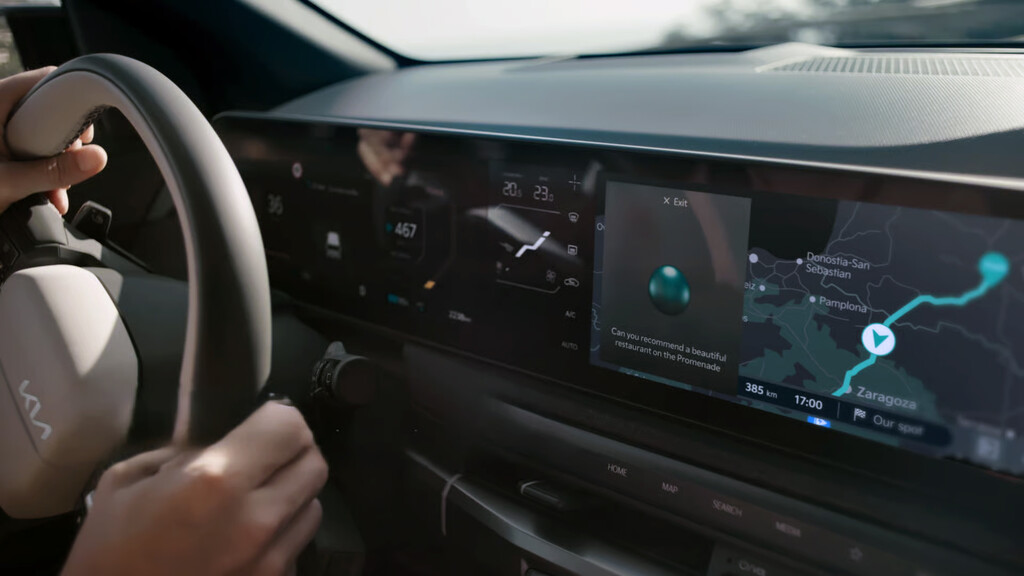
The Evolution of Car Technology: From Crank to Touchscreen
If someone had said back then that, a few decades later, we'd be driving cars that can converse with us, project information directly onto the windshield, power a laptop during a blackout, or unlock solely with a phone, it would have sounded like the plot of a science fiction movie.
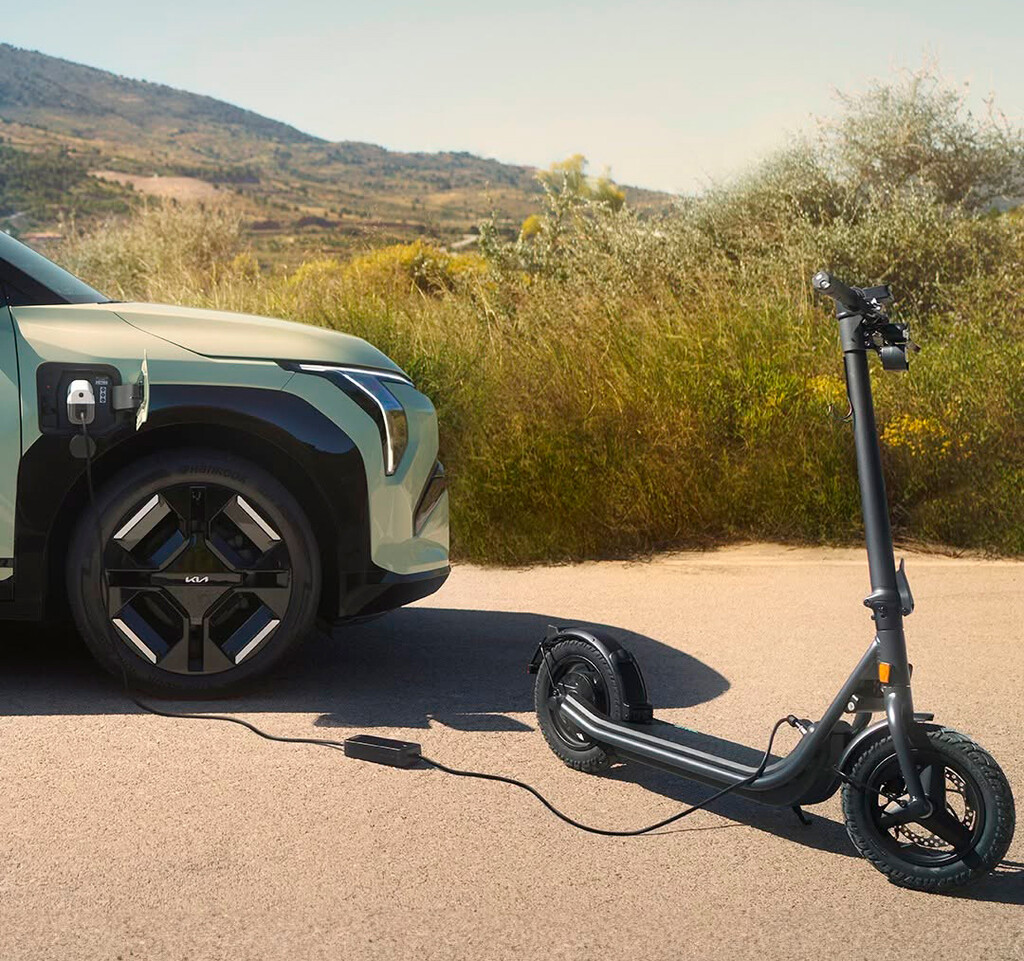
And yet, that future is already here. The Kia EV3 not only represents the leap to electric mobility but also exemplifies how the automobile has become a technological device where intelligence, connectivity, and user experience carry as much weight as the motor.
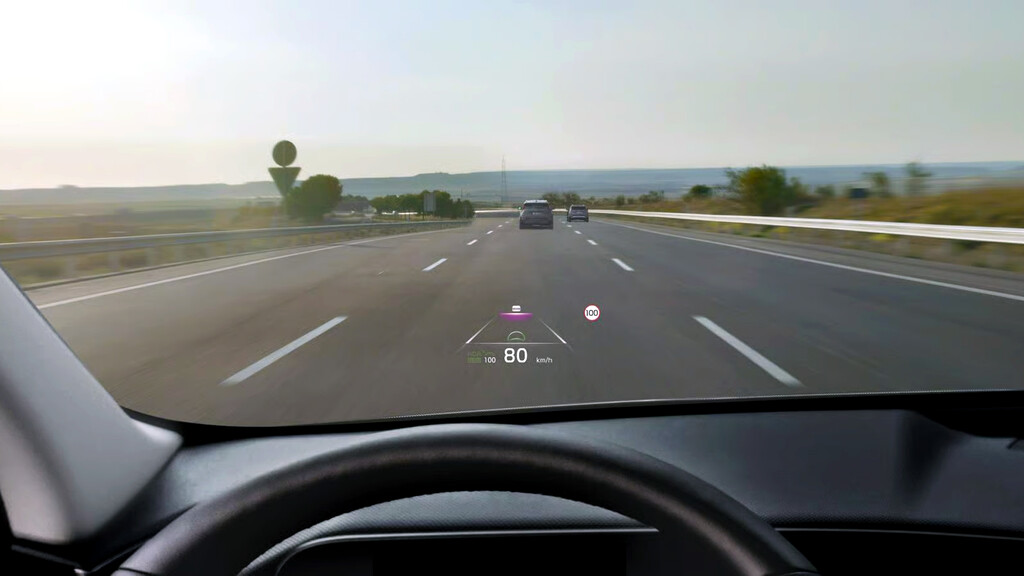
Today's cars are equipped with features that were once the stuff of fantasy. From advanced driver-assistance systems (ADAS) to over-the-air updates, vehicles are now constantly evolving, much like our smartphones. This shift has turned cars into hubs of digital life, integrating seamlessly with our connected world.
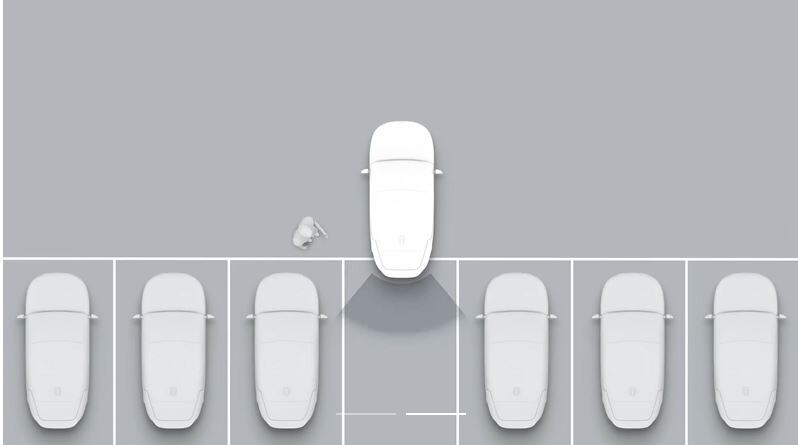
Key Technological Advancements in Modern Cars
- Voice recognition and AI assistants: Cars can now understand natural language commands, adjusting climate, navigation, and entertainment without taking your hands off the wheel.
- Head-up displays (HUD): Project critical driving information onto the windshield, keeping your eyes on the road.
- Vehicle-to-load (V2L) technology: Use your car's battery to power external devices, from laptops to camping equipment, during outages or off-grid adventures.
- Smartphone integration: Unlock, start, and control your car via a mobile app, eliminating the need for traditional keys.
- Over-the-air (OTA) updates: Receive software improvements and new features remotely, keeping your car up-to-date like a smartphone.
These innovations are not just about convenience; they're about creating a safer, more efficient, and more enjoyable driving experience. The Kia EV3, for instance, incorporates many of these technologies, showcasing how far we've come from the days of manual windows.
How the Kia EV3 Redefines the Driving Experience
The Kia EV3 is a prime example of a modern vehicle that feels more like a gadget than a traditional car. It features a sleek interior dominated by a large touchscreen infotainment system, voice control, and a suite of connected services. But it's not just about the tech—it's about how that tech enhances the driving experience.
For instance, the EV3's advanced driver-assistance systems can help you navigate traffic, maintain lane position, and even park autonomously. The head-up display projects speed, navigation directions, and safety alerts directly onto the windshield, so you never have to look away from the road.
Moreover, the EV3's electric powertrain delivers instant torque and smooth acceleration, while its long-range battery ensures you can go the distance. And with V2L capability, the car becomes a mobile power station, ready to supply energy wherever you need it.
Comparing Old and New: A Tech Specs Showdown
To appreciate the leap in car technology, consider the differences between a typical car from the 1980s and a modern EV like the Kia EV3. The table below highlights key features.
| Feature | 1980s Car | Kia EV3 (2024) |
|---|---|---|
| Window operation | Manual crank | Power windows with one-touch |
| Air conditioning | Optional, often absent | Automatic climate control |
| Infotainment | Cassette player | Touchscreen with navigation, smartphone integration |
| Safety | Seatbelts optional, no airbags | Advanced driver-assistance systems, multiple airbags |
| Connectivity | None | Voice recognition, OTA updates, smartphone app |
| Power source | Gasoline engine | Electric motor with long-range battery |
This comparison underscores how far the automotive industry has come. What was once a luxury is now standard, and what was once science fiction is now reality. The longer history behind the story is traced in From Manual Windows to Sci-Fi Tech: How Cars Became Smart Devices.
The Road Ahead: What to Watch Next in Car Technology
The pace of innovation in the automotive sector shows no signs of slowing. As we look to the future, several trends are poised to shape the next generation of vehicles. The background to this story is set out in Renault's Île Seguin Factory: The Island That Became a Car Plant. A related thread runs through Volvo EX60: The Most Intelligent Car with Calm Technology. Earlier coverage in Transforming wood into unique and original pieces that you have never seen before! shows how the argument developed.
Autonomous driving is inching closer to reality, with more advanced sensors and AI algorithms being developed. Electric vehicles will continue to improve in range and charging speed, making them even more practical for everyday use. And the integration of cars with smart homes and urban infrastructure will create a seamless ecosystem of mobility. A closer look at the same subject appears in Digital Detox Retreats: How Phone-Free Events Are Transforming. Anyone following the wider picture can start with Roads with Futuristic Technology to Take Care of the Environment. The same theme surfaces in Trending: latest articles, which takes a different angle.
We can also expect to see more sustainable materials in car interiors, augmented reality dashboards, and even biometric authentication to start your car. The car of tomorrow will be more than a means of transport—it will be a personalized, intelligent companion. Context on how this played out before sits in Kia XCeed Review: Price, Design, Tech and Practicality. A companion piece, Kia XCeed 2025: The Gasoline and Electric Answer to Chinese PHEVs, approaches the same subject from another angle.
FAQ
What was the first car with power windows?
The first car with power windows is often credited to the 1940s, but they became more common in the 1950s and 1960s. Early systems were hydraulic or vacuum-operated, with electric power windows appearing later.
How does the Kia EV3's vehicle-to-load (V2L) work?
V2L allows the Kia EV3 to supply AC power to external devices using an adapter connected to the charging port. It can power laptops, appliances, or camping gear, making the car a mobile power source.
Are modern cars too dependent on technology?
While modern cars rely heavily on technology for safety, efficiency, and convenience, automakers design systems with redundancy and fail-safes. However, it's important to stay informed about how these systems work to use them safely.
What are the benefits of over-the-air updates in cars?
Over-the-air updates allow manufacturers to remotely fix bugs, improve performance, and add new features without requiring a visit to the dealership. This keeps the car current and can enhance safety and user experience.
Browse the Shop
 Acacia frida deluxe solid wood bed frame |
Bedroom bench |
Bed chest drawers |
Lingerie dresser |
Frame base |
Mirror with jewelry storage |
30 Bathroom Vanity |
Memory foam queen mattress |
Mattresses for back pain |
Nightstand set of 2 |
Grand Goldman Shop |
Civil Lawyer
Deutschland Trikot WM 2026







