

The Hyundai Ioniq 3 first impressions reveal a car that refuses to blend in. After a brief encounter, it's clear Hyundai has shifted its strategy: instead of competing on price alone, the brand now wants to impact you emotionally. And that's a bold move in a market saturated with interchangeable, personality-free cars.
Some Hyundai designs horrify me—like the Ioniq 9—while others, like the Santa Fe, I love. But what I appreciate most is Hyundai's ability to leave no one indifferent. No Hyundai car, at least by design, leaves you cold. That's commendable.
Find Original, High-end Home Decor that spark conversation at Grand Goldman Shop.
So I approach the Hyundai Ioniq 3 with an open mind. Yes, I'll objectively break down the best and worst of its specs, but let me reserve a little corner for subjectivity—even if that subjectivity proves decisive in my final conclusion. Because fortunately for automotive journalism, the car market, and life itself, irrationality still drives many of our decisions. Long live the illogical!
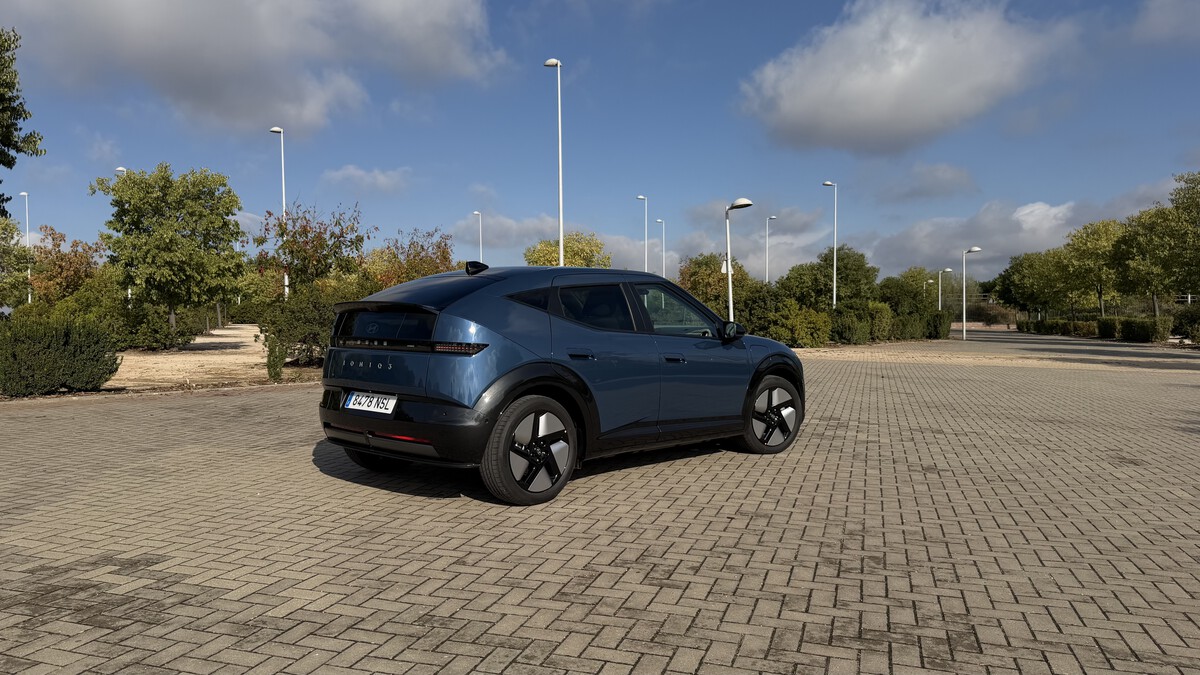
Hyundai Ioniq 3: Design That Demands a Reaction
The Ioniq 3 is not a wallflower. Its styling is polarizing, and that's exactly the point. Hyundai wants you to feel something—whether it's admiration or aversion—because indifference is the real enemy in a crowded segment.
From the sharp creases to the unusual proportions, the Ioniq 3 makes a statement. It's a car that will spark conversations at the office and in the school pickup line. And in a world where crossovers increasingly look like clones, that's a risk worth taking.

Hyundai Ioniq 3 Specs and Dimensions
Let's get the numbers out of the way. The Ioniq 3 measures 4,155 mm in length, 1,800 mm in width, and 1,505 mm in height, with a wheelbase of 2,680 mm. It tips the scales at 1,630 kg—not featherweight, but reasonable for a compact EV with a sizable battery.

These dimensions place it squarely in the compact crossover segment, competing with the likes of the Kia Niro EV and the Volkswagen ID.3. The wheelbase suggests a roomy interior, while the relatively low height should aid aerodynamics and handling.
Comparison with Key Rivals
| Model | Length (mm) | Width (mm) | Height (mm) | Wheelbase (mm) | Weight (kg) |
|---|---|---|---|---|---|
| Hyundai Ioniq 3 | 4,155 | 1,800 | 1,505 | 2,680 | 1,630 |
| Kia Niro EV | 4,420 | 1,825 | 1,570 | 2,720 | 1,791 |
| Volkswagen ID.3 | 4,261 | 1,809 | 1,552 | 2,765 | 1,812 |
The Ioniq 3 is slightly more compact than its rivals, which could make it more agile in city driving. Its lighter weight also promises better efficiency, though we'll need real-world tests to confirm.
Technology and Safety Features
Hyundai hasn't skimped on tech. The Ioniq 3 comes with adaptive cruise control featuring Level 2 automation, emergency braking, traffic sign recognition, blind-spot monitoring, lane keeping assist, cross-traffic alert, automated parking, and emergency braking with pedestrian and object detection during maneuvers.
That's a comprehensive suite that rivals more expensive offerings. The inclusion of Level 2 automation means the car can handle steering, acceleration, and braking on highways, reducing driver fatigue on long trips.
Infotainment: Pleos on Android Auto
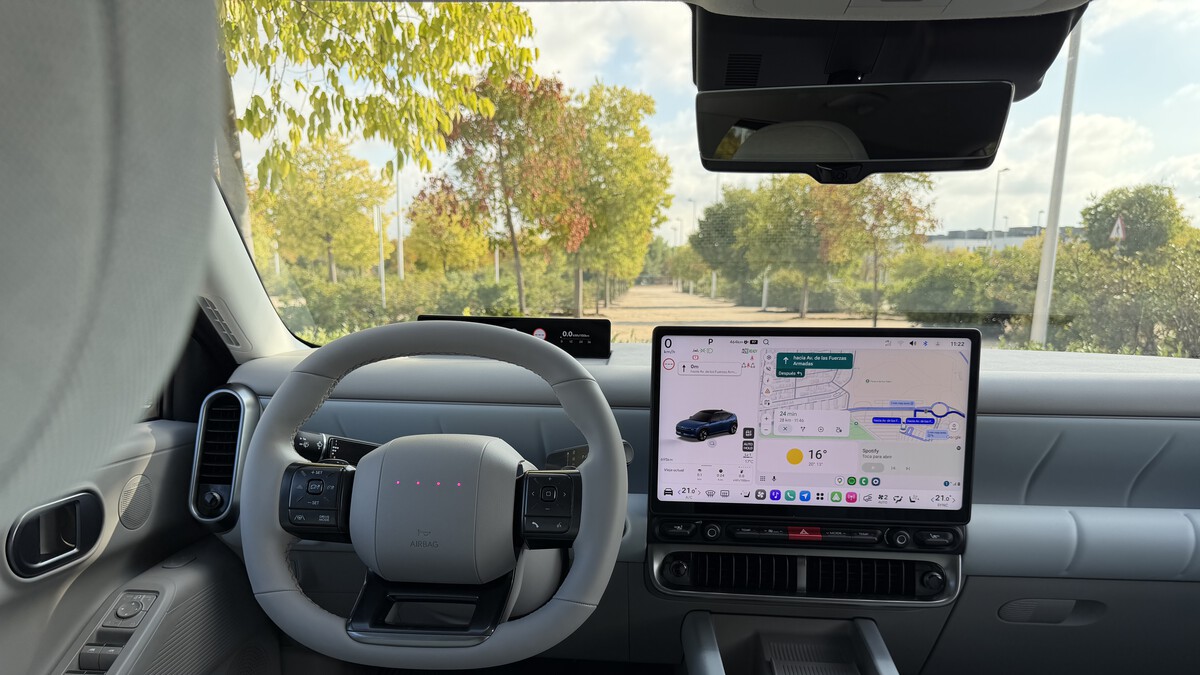
The infotainment system is Hyundai's own Pleos, built on Android Auto. This means you get the familiarity of Android with Hyundai's custom interface. It's a smart move, as it leverages Google's ecosystem while allowing Hyundai to add its own touch.
Expect seamless smartphone integration, over-the-air updates, and a user-friendly experience. The system should be responsive and intuitive, though we'll reserve final judgment until we spend more time with it.
Key Takeaways from Our First Impressions
- Design that provokes: The Ioniq 3 is intentionally polarizing, ensuring it stands out in a bland segment.
- Compact dimensions: At 4,155 mm long, it's smaller than key rivals, which could appeal to urban dwellers.
- Comprehensive safety tech: Level 2 automation and a full suite of driver assists come standard.
- Android-based infotainment: The Pleos system promises familiarity and functionality.
- Weight advantage: At 1,630 kg, it's lighter than competitors, potentially improving efficiency.
Why Hyundai's Strategy Shift Matters
Hyundai's move away from price-based competition is significant. By focusing on design and emotional impact, the brand is betting that consumers will pay a premium for character. This aligns with the broader trend of EVs becoming lifestyle statements rather than mere transportation.
It's a risky bet, but one that could pay off. In a market where many EVs look like variations of the same theme, standing out is crucial. The Ioniq 3's bold design might just be its ticket to success. A companion piece, Egret Unit Electric Scooter: 100 km Range and Dual Suspension, approaches the same subject from another angle.
For those considering the Ioniq 3, it's worth comparing it to other stylish options in the segment. The car market is full of choices, and design is increasingly a deciding factor. Context on how this played out before sits in Hyundai Ioniq 3 First Impressions: Design That Commands Attention.
What to Watch Next
We're eager to get behind the wheel for a full review. Key questions remain: How does it drive? What's the real-world range? And does the interior live up to the exterior's promise? The background to this story is set out in Car: latest articles. A related thread runs through Best Electric Car and Hybrid Car: Vote in the Lexus Partners Verisure 2026.
Pricing will also be critical. If Hyundai positions the Ioniq 3 as a premium offering, it needs to deliver on quality and performance. We'll be watching closely. Earlier coverage in Enterprise Car Hire Rejects First Direct Visa: What You Need to Know shows how the argument developed. A closer look at the same subject appears in Omoda 4: The Budget Car With Lamborghini-Inspired Design.
In the meantime, the Ioniq 3 has already achieved its goal: it's got people talking. And in the automotive world, that's half the battle. Anyone following the wider picture can start with EU Negotiators Head to China to Curb Cheap Hybrid Car Imports. The same theme surfaces in UK Tariffs on Chinese Cars: Aligning with EU Trade Policy, which takes a different angle.
FAQ
What are the dimensions of the Hyundai Ioniq 3?
The Hyundai Ioniq 3 is 4,155 mm long, 1,800 mm wide, and 1,505 mm tall, with a 2,680 mm wheelbase. It weighs 1,630 kg.
Does the Hyundai Ioniq 3 have Level 2 autonomous driving?
Yes, it features adaptive cruise control with Level 2 automation, which can control steering, acceleration, and braking under certain conditions.
What infotainment system does the Hyundai Ioniq 3 use?
It uses Hyundai's Pleos system built on Android Auto, offering smartphone integration and over-the-air updates.
How does the Hyundai Ioniq 3 compare to the Kia Niro EV?
The Ioniq 3 is shorter and lighter than the Niro EV, which may give it an edge in agility and efficiency, though the Niro offers more interior space.
Browse the Shop
 Acacia frida deluxe solid wood bed frame |
Bedroom bench |
Bed chest drawers |
Lingerie dresser |
Frame base |
Mirror with jewelry storage |
30 Bathroom Vanity |
Memory foam queen mattress |
Mattresses for back pain |
Nightstand set of 2 |
Grand Goldman Shop |
Civil Lawyer
Deutschland Trikot WM 2026










