

Fast & Furious: Hollywood Drift, the new roller coaster at Universal Studios Hollywood, has achieved a remarkable engineering feat: hitting 116 km/h in near silence. But the ride's designers didn't account for the screams of passengers, which have become a noise concern for nearby residents.
The Challenge: Building an Extreme Coaster in a Residential Area
Universal Studios Hollywood is nestled in a hillside, with residential neighborhoods practically next door and a working film studio beside it. Building an extreme roller coaster there meant overcoming a major obstacle: noise. The park needed a ride that could deliver high-speed thrills without the characteristic roar of a traditional coaster.
Find Original Home Decor sparking conversation at Grand Goldman Shop.

The solution? A combination of innovative engineering and sound-dampening techniques. Universal spent three years solving the puzzle, ultimately filling the track with gravel to absorb vibrations.
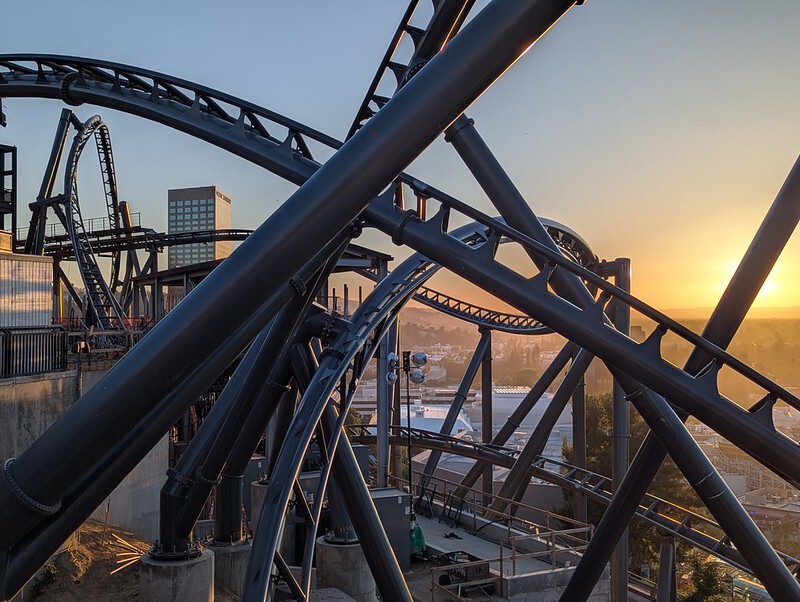
Engineering a Silent Thrill Ride
The coaster's track stretches over 1.2 kilometers, and every inch was designed to minimize noise. The gravel fill acts as a damper, reducing the vibrations that typically produce the telltale rumble of a roller coaster. During initial tests without passengers, the result was extraordinary: some residents of Toluca Lake described it as practically a whisper.
But the success was short-lived. Once passengers boarded, a new source of noise emerged—one that's much harder to control.
The Unforeseen Noise Source: Human Screams
According to a report by The New York Times last weekend, more than a dozen residents interviewed say they hear screams approximately every 30 seconds during operating days that can last up to ten hours. The human element introduced a variable that engineers couldn't silence with gravel or advanced damping systems.
This highlights a fundamental challenge in theme park design: no matter how quiet the machinery, the human response to thrill rides is inherently loud. The background to this story is set out in AI Film Studios Promise New Era in Hollywood Production. A related thread runs through Stepdad Live His Stepson’s One Night Stand Drama & It’s A Roller Coaster Ride.
Key Takeaways for Theme Park Design
- Noise mitigation must consider all sources, including passenger reactions.
- Community relations are crucial when building near residential areas.
- Engineering solutions like gravel-filled tracks can effectively reduce mechanical noise.
- Testing with passengers is essential to identify unforeseen issues.
- Regulatory compliance may require ongoing monitoring and adaptation.
Comparison of Noise Levels: Mechanical vs. Human
| Noise Source | Description | Mitigation |
|---|---|---|
| Mechanical vibrations | Rumble from wheels on track | Gravel-filled track, damping materials |
| Passenger screams | Excitement and fear responses | Difficult to control; may require operational adjustments |
What This Means for Future Projects
Universal's experience with Hollywood Drift serves as a case study for future theme park developments in noise-sensitive areas. While engineering can address mechanical noise, the human element remains a wild card. Parks may need to explore additional strategies, such as sound barriers or limited operating hours, to maintain good neighborly relations. Earlier coverage in X2 Roller Coaster Closed After Brain Injury Reports shows how the argument developed. A closer look at the same subject appears in AI Film Studios Revolutionize Hollywood Production.
As for Universal Studios Hollywood, the park has not publicly commented on the residents' complaints. However, the situation underscores the importance of balancing thrill rides with community considerations. Anyone following the wider picture can start with Paul Walker's Family on AI Return in Fast & Furious: Meadow Decides. The same theme surfaces in Supercars Popularity Surge: Fast, Furious and Potentially Fatal, which takes a different angle.
FAQ
How fast does Fast & Furious: Hollywood Drift go?
The roller coaster reaches a top speed of approximately 116 km/h (72 mph), delivering an intense experience for riders.
Why was noise reduction so important for this coaster?
Because the park is located in a hillside area with residential neighborhoods nearby, minimizing noise was essential to avoid disturbing residents and maintain good community relations.
How did Universal reduce the coaster's noise?
They filled the track with gravel to dampen vibrations, a process that took three years to perfect. During tests without passengers, the coaster was described as practically silent.
What is the new noise issue?
Passengers' screams, which occur roughly every 30 seconds during operating hours, have become a source of complaints from nearby residents. This human element is much harder to control than mechanical noise.
Browse the Shop
 Acacia frida deluxe solid wood bed frame |
Bedroom bench |
Bed chest drawers |
Lingerie dresser |
Frame base |
Mirror with jewelry storage |
30 Bathroom Vanity |
Memory foam queen mattress |
Mattresses for back pain |
Nightstand set of 2 |
Grand Goldman Shop |
Civil Lawyer
Deutschland Trikot WM 2026







