

The Oosterscheldekering is a 9-kilometer storm surge barrier in the Netherlands that was inaugurated in 1986. It is one of the largest hydraulic engineering projects in the world, designed to protect the country from North Sea floods. What makes it unique is that its 62 steel doors are usually open, allowing tidal water to flow freely.
This barrier was built in response to the devastating North Sea flood of 1953, which killed 1,836 people. The Dutch government invested heavily in the Delta Works, a series of constructions to prevent such disasters. The Oosterscheldekering is a key part of this system, combining safety with environmental considerations.
Find Original Home Decor sparking conversation at Grand Goldman Shop.

Why the Oosterscheldekering Is Usually Open
The barrier's design is a paradox: a massive wall that lets water pass. Most of the time, the doors remain lifted, permitting the North Sea to enter and exit the estuary with the tides. This preserves the saltwater ecosystem and supports local fisheries.
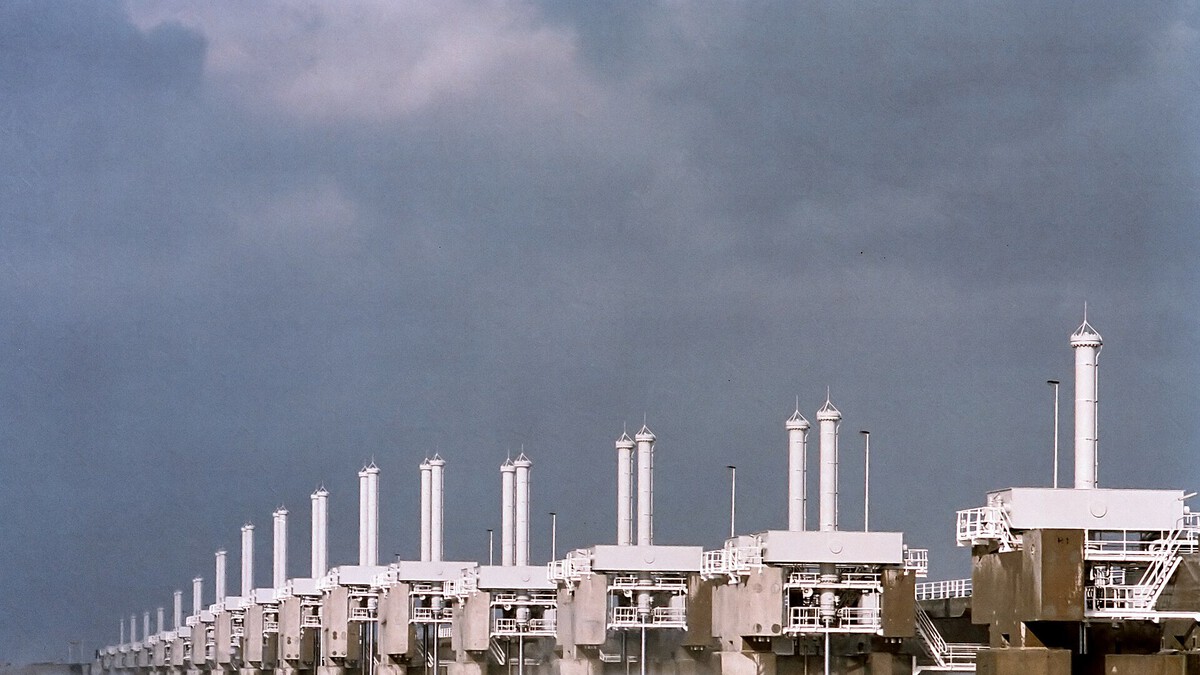
According to data published by NOS in 2021, during its first 35 years, the barrier was closed only 28 times due to flood threats. This means it has been open for the vast majority of its existence, fulfilling its dual role of protection and environmental preservation.
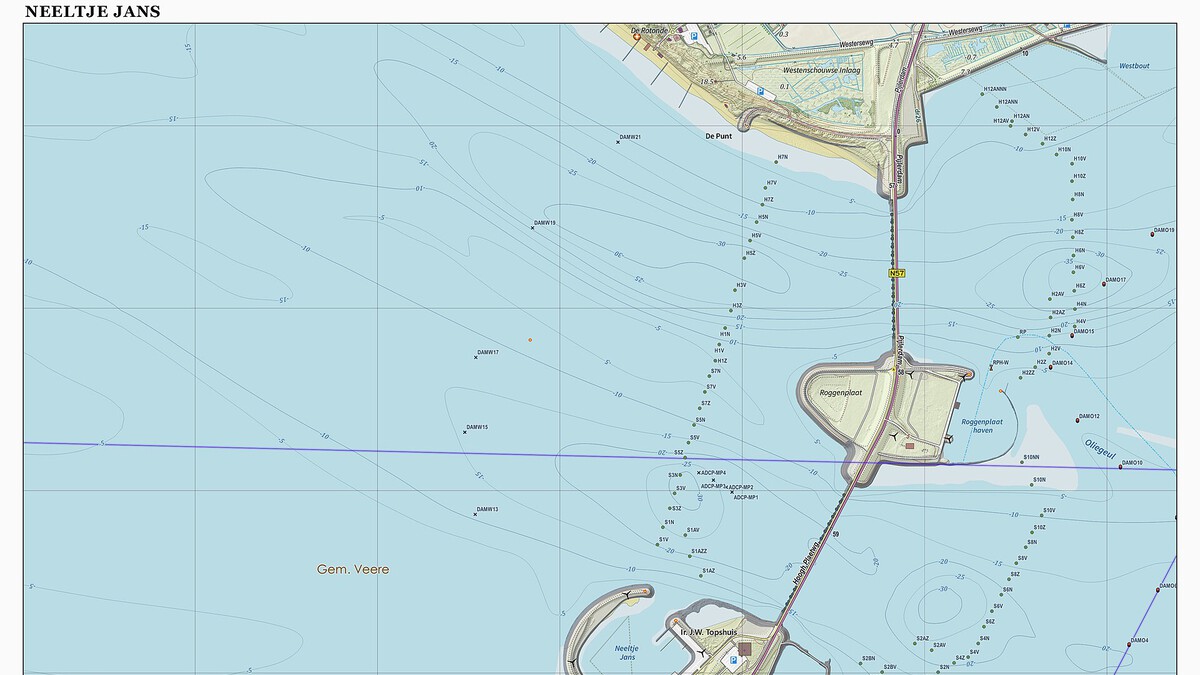
The decision to keep the barrier open was not purely technical; it was also a response to public concerns about the impact on the environment. Engineers had to solve the contradictory problem of building a giant wall that could allow water to pass, leading to an innovative movable barrier design.
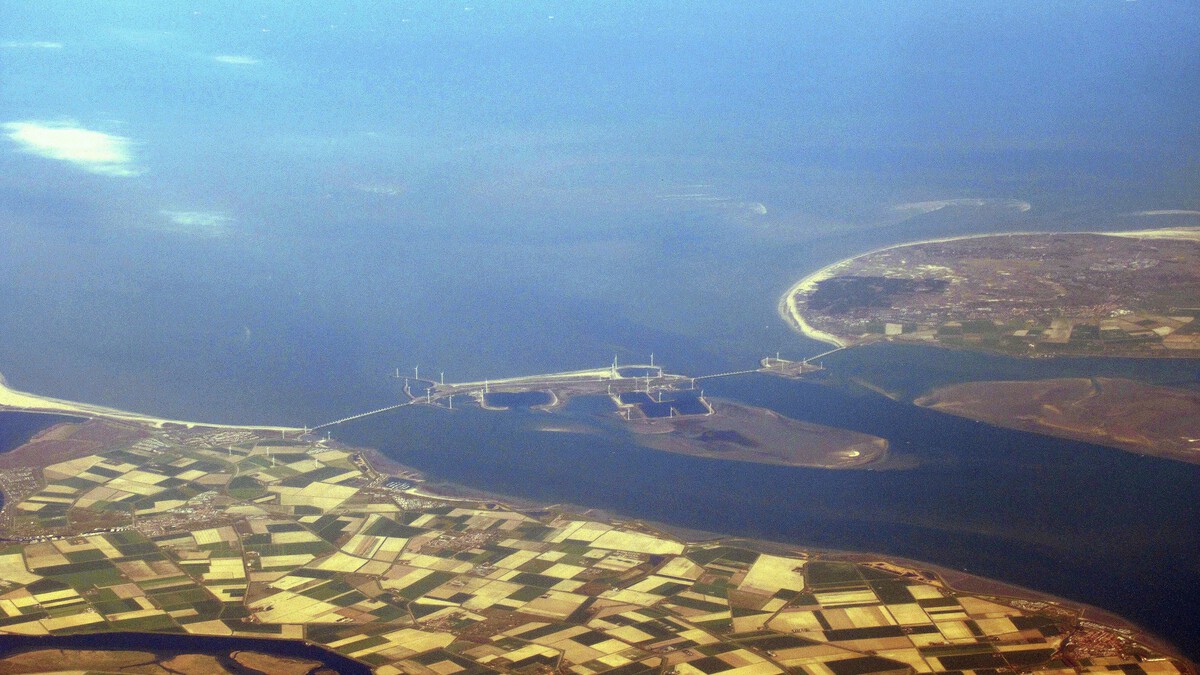
The 1953 Flood: A National Tragedy
On the night of February 1, 1953, a violent storm coincided with an exceptionally high tide, breaching numerous dikes in the southwestern Netherlands. The water flooded towns and fields, forcing thousands to seek refuge on rooftops. The death toll reached 1,836, a tragedy that prompted the Dutch to rethink their flood defenses.
The Delta Works were initiated to prevent future catastrophes. The Oosterscheldekering was initially planned as a closed dam, but protests from fishermen and environmentalists led to a redesign as a movable barrier. This compromise allowed for both safety and ecological balance.
How the Barrier Works
The Oosterscheldekering consists of 62 steel doors, each 42 meters wide and up to 12 meters high. These doors are normally raised, but when a storm surge is forecast, they can be lowered to seal off the estuary. The barrier is designed to withstand a storm that statistically occurs once every 4,000 years.
The decision to close the barrier is based on water levels and weather predictions. When closed, it prevents the North Sea from flooding the estuary and the land behind it. The barrier is a testament to Dutch engineering prowess and their ongoing battle against the sea.
- Length: 9 kilometers
- Number of doors: 62
- Door width: 42 meters
- Maximum door height: 12 meters
- First inauguration: October 4, 1986
Environmental and Economic Impact
Keeping the barrier open has allowed the Oosterschelde to remain a saltwater estuary, supporting diverse marine life and a thriving oyster and mussel industry. The barrier has become a symbol of sustainable flood protection, balancing human safety with ecological health.
Economically, the barrier protects a region that contributes significantly to the Dutch economy. Without it, the risk of flooding would deter investment and threaten livelihoods. The initial cost was enormous, but the return on investment is measured in avoided disasters. The longer history behind the story is traced in Oosterscheldekering: The 9km Dutch Barrier That's Usually Open.
| Feature | Specification |
|---|---|
| Length | 9 km |
| Number of doors | 62 |
| Door width | 42 m |
| Door height | Up to 12 m |
| Closures in first 35 years | 28 times |
| Design storm return period | 1 in 4,000 years |
Lessons for Global Flood Management
The Oosterscheldekering offers valuable lessons for other coastal regions facing similar threats. Its movable design demonstrates that infrastructure can be both protective and environmentally sensitive. As climate change raises sea levels, such adaptive solutions will become increasingly important. The background to this story is set out in Netherlands vs Germany: Klopp and Xavi Begin Revival Projects. A related thread runs through Netherlands Builds Nuclear Reactor Among Dunes and Groundwater. Earlier coverage in Europe Opens Its Largest Carbon Capture Plant in the Netherlands shows how the argument developed.
Other countries, from the United States to Bangladesh, are studying the Dutch approach. The barrier's success lies in its flexibility and the careful planning that went into its construction. It shows that with innovation and political will, even the most daunting challenges can be met. A closer look at the same subject appears in Science: latest articles. Anyone following the wider picture can start with Space Airbag: 400-Ton Plasma Shield Against Solar Storms. The same theme surfaces in How to Photograph the August 12 Solar Eclipse Safely With Your Phone, which takes a different angle.
The Oosterscheldekering is more than just a barrier; it is a symbol of Dutch resilience. Its story is one of tragedy, innovation, and ongoing vigilance. As the world grapples with climate change, this 9-kilometer marvel stands as a beacon of hope and a model for future generations. Context on how this played out before sits in China's Artificial Island Airport: Engineering and Beyond. A companion piece, Why You Should Unplug Your Charger During a Storm, approaches the same subject from another angle.
FAQ
What is the Oosterscheldekering?
The Oosterscheldekering is a 9-kilometer storm surge barrier in the Netherlands, inaugurated in 1986. It is part of the Delta Works and is designed to protect the country from North Sea floods.
Why is the barrier usually open?
The barrier is usually open to allow tidal water to flow, preserving the saltwater ecosystem and supporting local fisheries. It is closed only when a storm surge threatens the area.
How many times has the barrier been closed?
In its first 35 years, the barrier was closed 28 times due to flood threats, according to NOS data from 2021.
What was the 1953 flood?
The 1953 North Sea flood was a devastating storm that breached dikes in the southwestern Netherlands, killing 1,836 people. It led to the construction of the Delta Works, including the Oosterscheldekering.
Browse the Shop
 Acacia frida deluxe solid wood bed frame |
Bedroom bench |
Bed chest drawers |
Lingerie dresser |
Frame base |
Mirror with jewelry storage |
30 Bathroom Vanity |
Memory foam queen mattress |
Mattresses for back pain |
Nightstand set of 2 |
Grand Goldman Shop |
Civil Lawyer
Deutschland Trikot WM 2026







