

Agentic AI is redefining what we expect from a computer, moving beyond simple chat interactions to autonomous task execution. Instead of just asking an AI to summarize an email or explain a formula, users are now delegating entire workflows to systems that can plan, act, and verify results on their own.
This shift marks a fundamental change in how we interact with machines. The computer is no longer just a window for conversation; it's becoming a thinking machine that can take initiative and complete complex tasks with minimal human oversight.
Find Original Home Decor sparking conversation at Grand Goldman Shop.

What Is Agentic AI and Why It Matters
Agentic AI refers to systems that can plan a task, use available resources to execute it, and even check and correct their work if something doesn't go as planned. Unlike traditional AI that waits for prompts, these agents operate more independently, acting like digital assistants that can handle multi-step processes.

For example, imagine a system that reviews your inbox, organizes documents, consults sources, and leaves a draft ready while you're in a meeting. Or a tool that analyzes gigabytes of video folders and prepares a first edit. These are not futuristic fantasies—they are early examples of agentic AI in action.
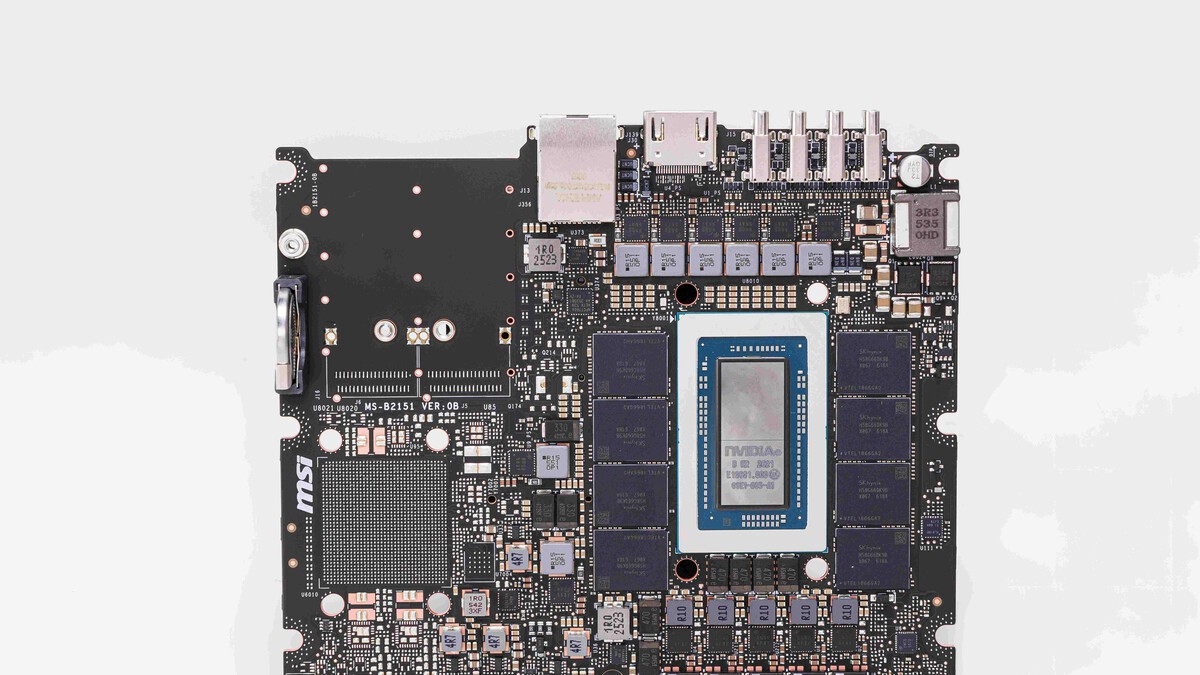
The key difference is autonomy. Agentic AI doesn't just respond; it initiates and follows through. This capability is what makes it a game-changer for productivity and for how we define computing itself.
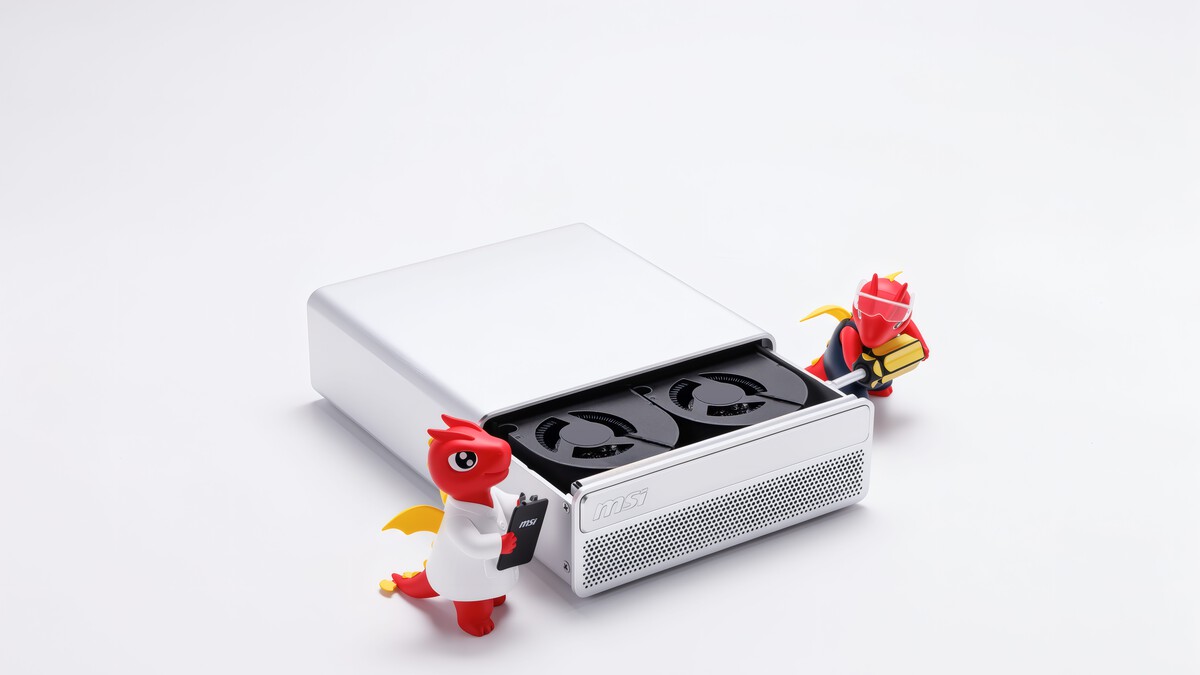
How Agentic AI Changes Our Expectations of Computers
Traditionally, a computer is a tool that requires constant input. You open an app, type a command, and wait for a result. With agentic AI, the computer becomes a proactive partner that can anticipate needs and execute tasks without explicit step-by-step instructions.
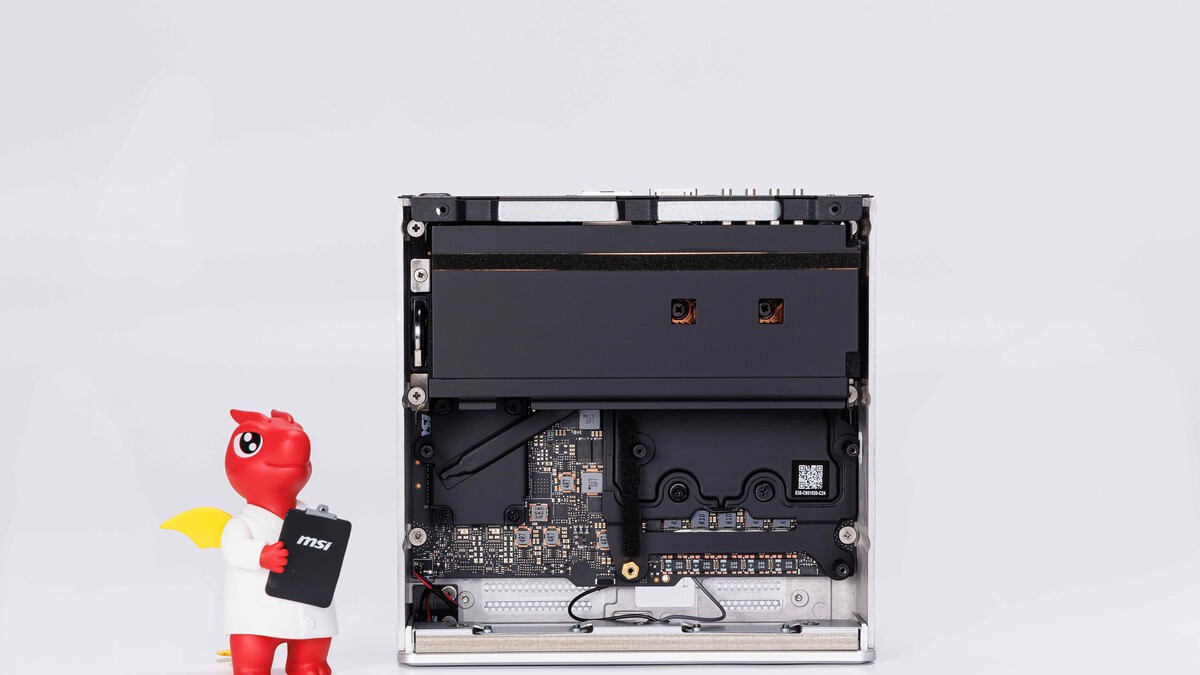
This shift is already visible in the way people talk about AI on social media. When someone shares a thread of expert prompts, automations, or small programs built with AI, others often feel a twinge of envy: “I'm not taking full advantage of this,” they think. That sense of missed potential is driving demand for more capable, autonomous systems.
As a result, users are starting to expect their computers to do more than just run applications—they want them to understand goals and take action. This is a profound change in the human-computer relationship.
Real-World Examples of Agentic AI in Action
While still emerging, agentic AI is already being applied in various domains. In personal productivity, agents can manage schedules, filter emails, and even draft responses. In creative work, they can assist with video editing by analyzing footage and suggesting cuts.
In software development, agentic systems can write code, test it, and debug issues autonomously. In research, they can gather data from multiple sources, synthesize findings, and generate reports. The common thread is the ability to handle complex, multi-step tasks with minimal supervision.
These examples illustrate how agentic AI is not just a incremental improvement but a paradigm shift. It moves AI from a reactive tool to a proactive collaborator.
Key Takeaways for Users and Businesses
- Autonomy is the new benchmark: Agentic AI systems can plan and execute tasks independently, reducing the need for constant input.
- Productivity gains are significant: By delegating entire workflows, users can focus on higher-level thinking and creativity.
- Expectation shift: Computers are increasingly seen as proactive partners rather than passive tools.
- Early adoption matters: Those who embrace agentic AI early may gain a competitive edge in their personal and professional lives.
- Challenges remain: Trust, verification, and integration with existing systems are still being worked out.
Comparing Traditional AI and Agentic AI
| Aspect | Traditional AI | Agentic AI |
|---|---|---|
| Interaction model | Reactive: responds to prompts | Proactive: initiates and executes tasks |
| Task complexity | Single-step or simple queries | Multi-step, complex workflows |
| Human involvement | Constant input required | Minimal oversight; can self-correct |
| Example use case | Summarizing an email | Managing inbox and drafting responses |
| Role of computer | Passive tool | Active partner |
What to Watch Next in Agentic AI
As agentic AI matures, we can expect more sophisticated systems that integrate seamlessly into our daily lives. Watch for improvements in reliability, security, and the ability to handle nuanced tasks. Also, look at how companies like OpenAI, Google, and others are positioning their agentic offerings. The background to this story is set out in AI Agents in Minecraft Created Bureaucracy on Their Own. A related thread runs through Disabled Passenger Offered Nappy Instead of Wheelchair on Flight. Earlier coverage in Why People Who Check Time on a Watch Instead of a Phone Are Smarter shows how the argument developed.
The conversation is shifting from “what can AI do?” to “what can AI do for me autonomously?” This will likely lead to new interfaces and form factors that blur the line between tool and assistant. A closer look at the same subject appears in Airbus U145: The Autonomous Helicopter Without a Cockpit. Anyone following the wider picture can start with Autonomous drones and the future of war in an AI-driven world. The same theme surfaces in Trending: latest articles, which takes a different angle.
Ultimately, the rise of agentic AI challenges us to rethink what a computer is. It's no longer just a device we operate; it's a collaborator that operates alongside us. Context on how this played out before sits in TSMC Redefines Chip Future: Efficiency Over Raw Power. A companion piece, Ukraine's Robot War: First Position Captured Without Soldiers, approaches the same subject from another angle.
FAQ
What is agentic AI?
Agentic AI refers to artificial intelligence systems that can autonomously plan and execute tasks, using available resources and self-correcting as needed. Unlike traditional AI, which waits for prompts, agentic AI takes initiative.
How does agentic AI change what we expect from computers?
Agentic AI transforms computers from passive tools into proactive partners. Instead of requiring constant input, these systems can understand goals and complete workflows independently, shifting expectations toward autonomy and collaboration.
What are some examples of agentic AI in action?
Examples include systems that manage your inbox, organize documents, and draft responses; tools that analyze video footage and suggest edits; and agents that write, test, and debug code autonomously.
What should we watch for next in agentic AI?
Look for improvements in reliability, security, and integration. Also, watch how major tech companies develop and deploy agentic features, and how interfaces evolve to support autonomous task execution.
Browse the Shop
 Acacia frida deluxe solid wood bed frame |
Bedroom bench |
Bed chest drawers |
Lingerie dresser |
Frame base |
Mirror with jewelry storage |
30 Bathroom Vanity |
Memory foam queen mattress |
Mattresses for back pain |
Nightstand set of 2 |
Grand Goldman Shop |
Civil Lawyer
Deutschland Trikot WM 2026







