

Iran's nuclear threat is not in its centrifuges but buried deep underground, and that leaves the United States with only one real option: ground operations. This is the uncomfortable lesson from the latest conflict, as reported by the Wall Street Journal.
Since Italian General Giulio Douhet argued in 1921 that bombers could win wars by destroying a country's vital centers, air power has fascinated strategists. Yet over a century of conflict has left a persistent paradox: even the most devastating bombing campaigns in history have eventually required something far riskier than aircraft to truly decide a war.
Find Original Home Decor sparking conversation at Grand Goldman Shop.

Why Airstrikes Alone Can't Destroy Iran's Nuclear Program
The war initiated with an intense bombing campaign over Iran has resurfaced a harsh military lesson: planes, missiles, and bombs can destroy infrastructure, armies, and arsenals, but they rarely topple a regime on their own. Despite Washington's hopes of provoking political change in Tehran, military commanders have lowered expectations. They insist the real goal is to degrade Iran's offensive capabilities—missiles, drones, naval forces—and wear down its nuclear program.
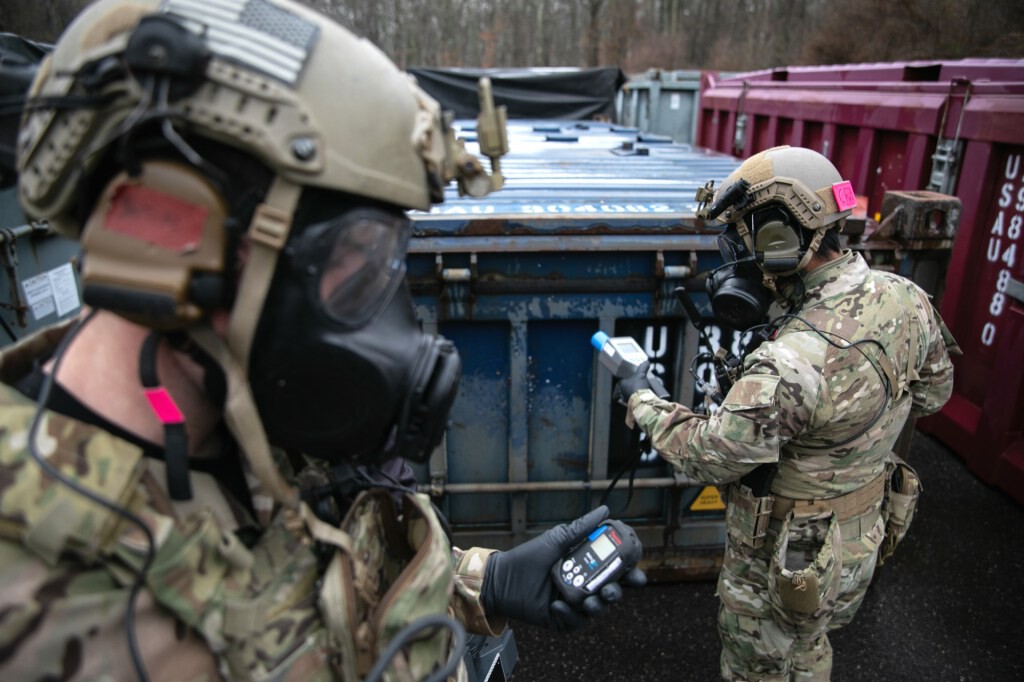
The reason is simple. Even after weeks of attacks, Iran's state power structures remain intact, backed by military forces. And its nuclear facilities are buried deep underground, beyond the reach of most conventional bombs.
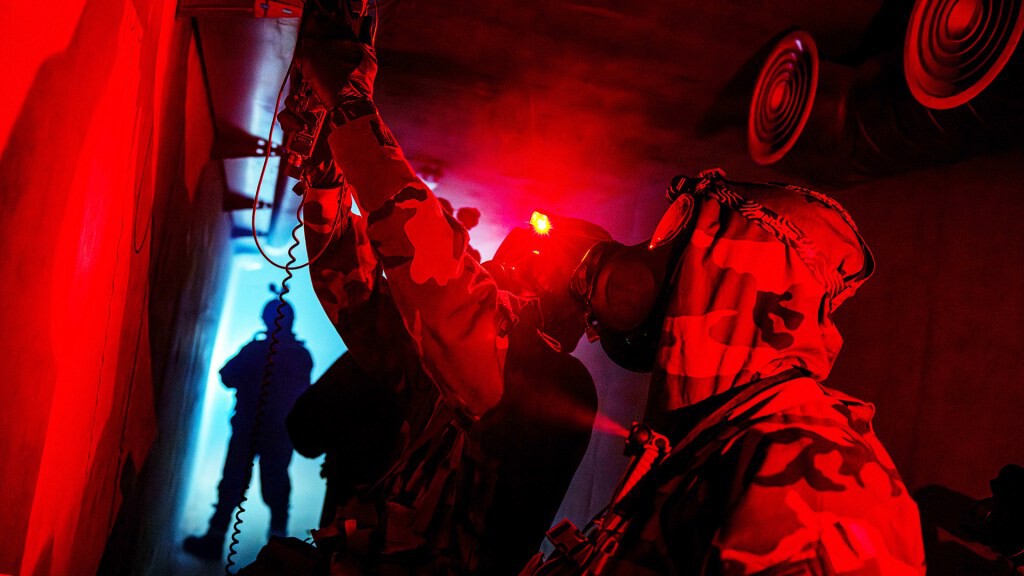
The Historical Limits of Air Power
History shows that air campaigns alone seldom achieve decisive political outcomes. From World War II to Kosovo, bombing has coerced but rarely conquered. The case of Iran is no different. Its nuclear infrastructure, particularly the enrichment site at Fordow, is built into mountains and hardened against attack.
According to the Wall Street Journal, the current campaign has degraded some capabilities but has not eliminated the core nuclear threat. The underground facilities remain a formidable challenge.
What Makes Iran's Nuclear Facilities So Hard to Destroy
Iran has invested heavily in hardening its nuclear sites. The Fordow facility, for instance, is buried under meters of rock and concrete, designed to withstand aerial bombardment. Even the most powerful bunker-buster bombs may not be enough.
Moreover, Iran has dispersed its nuclear program across multiple locations, making it difficult to eliminate with a single strike. This redundancy ensures that even if one site is damaged, others can continue operations. The background to this story is set out in Pickaxe Mountain: Iran’s Underground Nuclear Facility Under. A related thread runs through US-Iran Deal Focuses on Strait of Hormuz, Not Nuclear Program. Earlier coverage in Trending: latest articles shows how the argument developed.
The Only Remaining Option: Ground Operations
If airstrikes cannot destroy Iran's nuclear program, what can? The answer, according to military analysts, is ground operations. Only ground forces can secure and dismantle underground facilities. But this is a far riskier and more costly endeavor. A closer look at the same subject appears in US Iran Nuclear Decision: Exit Without Destroying Enriched Uranium. Anyone following the wider picture can start with US Ends Middle East War Facing Iran's Underground Advantage. The same theme surfaces in US Bombing Campaign Against Iran: Why Air Power Fails to Destroy, which takes a different angle.
Ground operations would require a large-scale invasion, with significant casualties and prolonged occupation. It would also risk triggering a wider regional war. Yet, as the WSJ report suggests, it may be the only way to truly neutralize Iran's nuclear threat. Context on how this played out before sits in China's Nuclear Expansion: Satellite Images Reveal New Facilities. A companion piece, Iran's Nuclear Threat Is Underground: Why Airstrikes Alone Can't Stop, approaches the same subject from another angle.
Key Takeaways for US Policy
- Airstrikes can degrade but not destroy Iran's nuclear program, especially underground facilities.
- Ground operations are the only reliable way to eliminate the threat, but they come with enormous risks.
- The US must weigh the costs of a ground invasion against the consequences of a nuclear Iran.
- Diplomacy and sanctions remain alternatives, but their effectiveness is uncertain.
- The window for action is narrowing as Iran advances its nuclear capabilities.
Comparing Military Options Against Iran's Nuclear Program
| Option | Effectiveness | Risks | Feasibility |
|---|---|---|---|
| Airstrikes | Low for underground sites | Escalation, limited damage | High |
| Ground Operations | High | High casualties, regional war | Low |
| Diplomacy/Sanctions | Variable | Slow, uncertain | Medium |
| Cyber Attacks | Moderate | Retaliation, limited lasting effect | High |
FAQ
Why can't airstrikes destroy Iran's nuclear program?
Iran's nuclear facilities, like Fordow, are buried deep underground and hardened with concrete and rock. Even the most powerful bunker-buster bombs may not penetrate them. Airstrikes can damage surface infrastructure but leave the core intact.
What would a ground operation against Iran look like?
A ground operation would involve a large-scale invasion to secure and dismantle underground nuclear sites. It would require significant troops, face fierce resistance, and risk a wider regional war. The costs in lives and resources would be enormous.
Are there alternatives to military action?
Diplomacy and sanctions are alternatives, but their effectiveness is uncertain. Cyber attacks can sabotage but not eliminate the program. Ultimately, only ground operations can guarantee the destruction of underground facilities.
What does this mean for US policy?
The US must decide whether to accept a nuclear Iran or undertake a risky ground invasion. The window for action is narrowing as Iran advances its capabilities. This dilemma will shape Middle East policy for years.
The challenge of Iran's underground nuclear facilities is a stark reminder of the limits of air power. As the WSJ report highlights, even devastating bombing campaigns cannot achieve decisive results against hardened targets. For the US, the options are limited and fraught with risk.
In the end, the only way to truly eliminate Iran's nuclear threat may be ground operations—a prospect that few policymakers are eager to embrace. But as Iran continues to advance its program, the pressure to act will only grow.
For a closer look at how advanced technology is reshaping energy and defense, see our analysis of China's 582-ton magnet for artificial sun fusion energy, which explores the cutting edge of fusion research.
Browse the Shop
 Acacia frida deluxe solid wood bed frame |
Bedroom bench |
Bed chest drawers |
Lingerie dresser |
Frame base |
Mirror with jewelry storage |
30 Bathroom Vanity |
Memory foam queen mattress |
Mattresses for back pain |
Nightstand set of 2 |
Grand Goldman Shop |
Civil Lawyer
Deutschland Trikot WM 2026







