

Mercadona has started closing its fish counters and moving to a pre-packaged fish model, a shift that could redefine how Spain buys seafood. The Spanish supermarket chain announced the change in a corporate statement, emphasizing a "new fish sales model" that guarantees quality and freshness.
The move comes as Spanish households buy less fish, a trend reflected in government statistics. Mercadona's decision to accelerate the transformation of its fish sections is a response to changing consumer habits, especially among younger shoppers.
Find Original Home Decor sparking conversation at Grand Goldman Shop.

Why Mercadona Is Closing Fish Counters
Mercadona's statement outlines a clear intention: to complete the transformation of its fish sections by offering 100% packaged products. "We are moving all products to trays, guaranteeing quality and freshness," the company said. The announcement was accompanied by images of packaged, labeled fish in open refrigerators—no counters, no fishmongers.
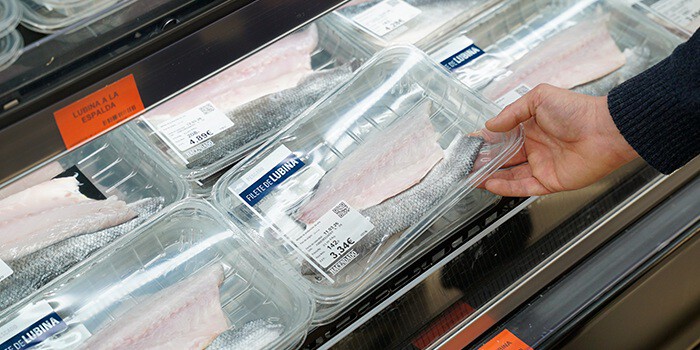
This shift is not entirely new; Mercadona has been implementing it for some time. But the latest communication signals an acceleration. The company aims to standardize its fish offering, likely reducing operational costs and improving efficiency.
The Decline of Fish Consumption in Spain
Spanish households are buying less fish. A TikTok video from October 2024 by influencer Jana Quiles went viral after she recounted a disastrous trip to a fish counter: "I just wanted a piece of fish for dinner, and because I didn't know what to ask for, I ended up buying 25 euros worth of hake." Her story resonated with many young consumers who feel intimidated by traditional fish counters.
Government statistics confirm the trend: per capita fish consumption in Spain has been falling for years. Factors include busy lifestyles, a preference for convenience, and a lack of confidence in selecting and preparing fresh fish.
What This Means for Shoppers
For consumers, the shift to pre-packaged fish offers convenience and consistency. Shoppers can grab a tray without waiting in line or feeling pressured to make a quick decision. Packaging also provides clear labeling, including origin, price, and preparation tips.
However, some shoppers may mourn the loss of personalized service. Fishmongers often provide advice on selection, cleaning, and cooking. Without them, less-experienced buyers might feel lost—though the packaging aims to bridge that gap.
- Convenience: Pre-packaged fish saves time and reduces decision fatigue.
- Consistency: Standardized portions and labeling ensure predictable quality.
- Loss of expertise: No fishmonger means less personalized guidance.
- Impact on youth: The change may appeal to younger shoppers who prefer self-service.
- Environmental concerns: Increased packaging could raise sustainability questions.
Industry Implications and Reactions
The seafood industry is watching closely. Mercadona is Spain's largest supermarket chain, and its moves often set trends. If the pre-packaged model succeeds, competitors may follow suit, further eroding traditional fish counters.
Fishermen and suppliers might need to adapt to new packaging and distribution requirements. Meanwhile, consumer groups have raised concerns about the loss of fresh fish options and the potential for higher prices due to packaging costs. The longer history behind the story is traced in Earth's Next Supercontinent: Pangea Ultima in 250 Million Years.
| Aspect | Traditional Fish Counter | Pre-Packaged Fish |
|---|---|---|
| Service | Personalized advice from fishmonger | Self-service, no interaction |
| Convenience | Requires waiting, decision-making | Quick grab-and-go |
| Product information | Verbal, variable | Labeled with origin, price, tips |
| Freshness perception | High (displayed on ice) | Depends on packaging and rotation |
| Cost | Often lower (no packaging) | Potentially higher (packaging costs) |
What to Watch Next
Mercadona's rollout will be gradual, but the direction is clear. The company plans to convert all fish sections to the pre-packaged model, though no timeline has been announced. Shoppers should watch for changes in their local stores and adjust their habits accordingly. The background to this story is set out in Mercadona Portugal: 55% of Households Now Shop at the Chain. A related thread runs through Froiz Thrives as Regional Supermarkets Resist Mercadona. Earlier coverage in Turkish Supermarket File Copies Mercadona and Now Faces EU Probe shows how the argument developed.
The bigger question is whether this shift will reverse the decline in fish consumption. If convenience encourages more people to buy seafood, it could be a win. But if the loss of service drives customers away, Mercadona may need to rethink. A closer look at the same subject appears in Verdifresh Sales Surge 19% on Mercadona Partnership. Anyone following the wider picture can start with Mercadona Market Share Stalls: What the Data Reveals. The same theme surfaces in Best Supermarket Lemon Cheesecake: Top Picks and Worst Buys, which takes a different angle.
For now, the message is simple: the fish counter, as we knew it, is disappearing. The future of fish in Spain is on the tray. Context on how this played out before sits in Larry Ellison Buys Entire Florida Neighborhood for Employees. A companion piece, Mike Ashley Buys Harvey Nichols: Frasers Group Acquisition, approaches the same subject from another angle.
FAQ
Why is Mercadona closing its fish counters?
Mercadona is closing fish counters to move to a pre-packaged fish model, aiming for efficiency, consistency, and convenience. The company says this guarantees quality and freshness while adapting to changing consumer habits.
Will all Mercadona stores be affected?
Yes, Mercadona plans to transform all its fish sections to the pre-packaged model. The rollout will be gradual, but the goal is a complete shift away from traditional counters.
How will this affect fish prices?
Prices may vary. Packaging adds costs, but standardized portions and reduced labor could offset them. Consumers should compare prices and watch for promotions.
What about freshness and quality?
Mercadona claims the pre-packaged fish maintains freshness through proper refrigeration and packaging. However, some shoppers may prefer the traditional counter where they can inspect the fish directly.
Browse the Shop
 Acacia frida deluxe solid wood bed frame |
Bedroom bench |
Bed chest drawers |
Lingerie dresser |
Frame base |
Mirror with jewelry storage |
30 Bathroom Vanity |
Memory foam queen mattress |
Mattresses for back pain |
Nightstand set of 2 |
Grand Goldman Shop |
Civil Lawyer
Deutschland Trikot WM 2026







